A Beginner's Guide to Flower Color and Style for Every Occasion
A practical beginner's guide to choosing flower colors and styles for any occasion, from classic romantic reds to soft pastels and bold statement bouquets.
Choosing the right flower colors and bouquet style doesn't require a design degree—just a few practical principles and a willingness to think about the person receiving the flowers. This guide walks you through the fundamentals of floral color, helps you match arrangements to occasions and personalities, and gives you a simple framework for making confident choices every time you order. Whether you're buying for a romantic milestone, a friend's birthday, or simply to brighten your own kitchen table, understanding how color and style work together will help you select something truly fitting.
Understanding Flower Color Basics
Flowers span the full color spectrum, and understanding a few basics helps you make intentional choices rather than guessing. Colors fall into two broad families: warm tones (red, orange, yellow, pink) and cool tones (blue, purple, green, white). Warm colors tend to feel energetic, passionate, and inviting, while cool colors read as calm, serene, and sometimes more formal.
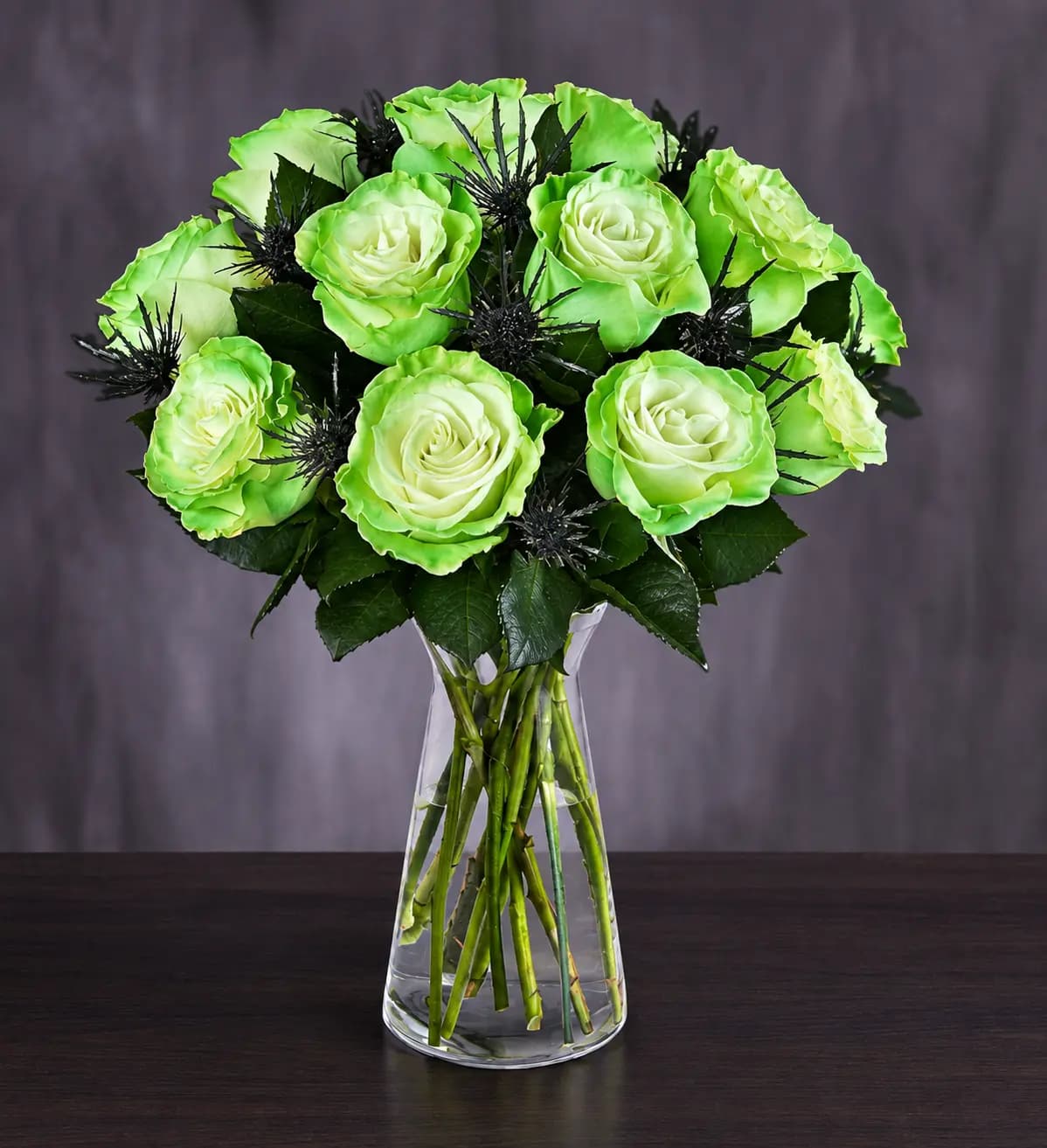
Monochromatic arrangements use varying shades of a single color—think all-red roses or an all-white bouquet—and create a clean, sophisticated look that works in almost any setting. Complementary pairings place opposite colors side by side, like the lime-green roses and dramatic black thistle-like blooms in Wicked Midnight Bloom, which creates visual tension and a sense of drama. Analogous palettes combine neighboring colors on the color wheel, such as peach, pink, and soft orange, for a harmonious and natural feel that's easy on the eyes.
Neutral tones—white, cream, and green—serve as the backbone of most arrangements. They give the eye a place to rest and allow brighter accent colors to pop. When you're just starting out, leaning on a neutral base with one or two accent colors is the safest and most versatile approach.
Choosing Colors by Occasion
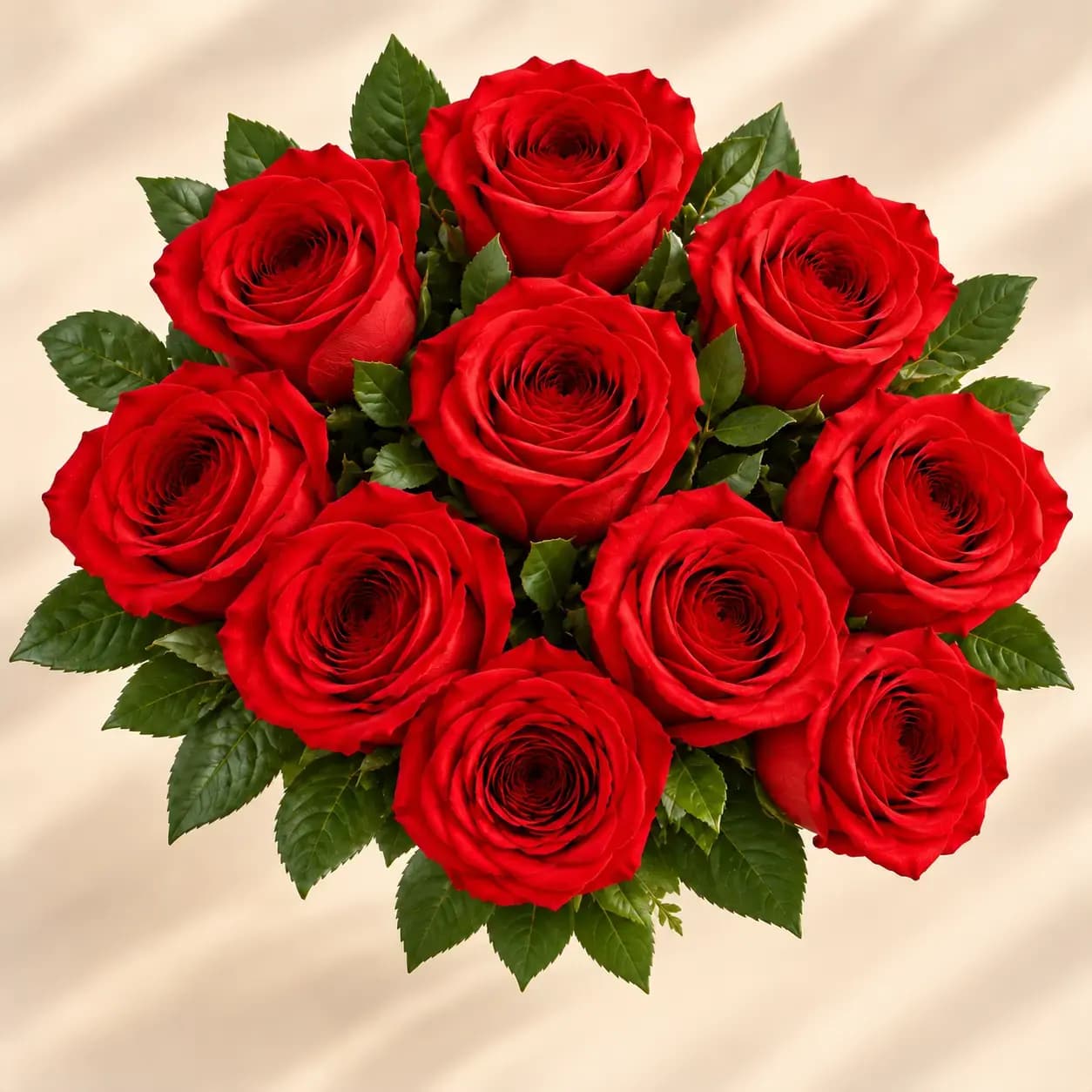
Different events call for different color messages, and matching your palette to the occasion shows thoughtfulness. For romantic gestures, red remains the timeless classic—10 Red Roses Bouquet Style delivers pure romance with fresh red roses hand-tied and wrapped with care, perfect for expressing love or making any occasion feel special. Soft pinks and lavenders suit birthdays, anniversaries, and thank-you gifts, offering warmth and affection without overwhelming intensity.
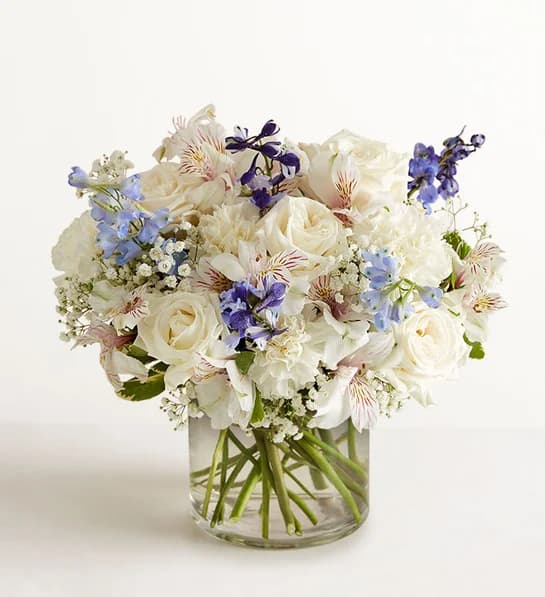
For celebrations and congratulations, bright yellows, oranges, and multi-colored arrangements bring energy, optimism, and joy. A vibrant bouquet of yellow and orange blooms naturally reads as festive and uplifting. Sympathy and memorial arrangements typically lean toward whites, soft blues, and gentle lavenders that convey peace, respect, and remembrance. When you're uncertain about the right occasion, consider the recipient's favorite colors or the palette of the room where the bouquet will sit—this personal touch often matters more than following rigid rules.
Matching Bouquet Style to Personality
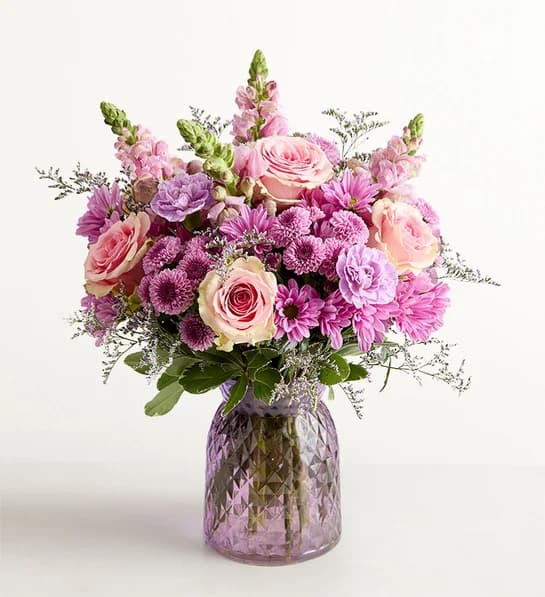
Beyond color, the overall style of an arrangement should reflect the recipient's taste and the tone of your relationship. Classic styles feature traditional flowers like roses and carnations in clear glass vases—elegant, universally appreciated, and appropriate for almost any recipient. Lavender Dreams blends pink roses, lavender snapdragons, soft lavender carnations, and delicate daisy blooms in an elegant lavender glass vase, offering a romantic yet approachable aesthetic that feels both thoughtful and beautiful.
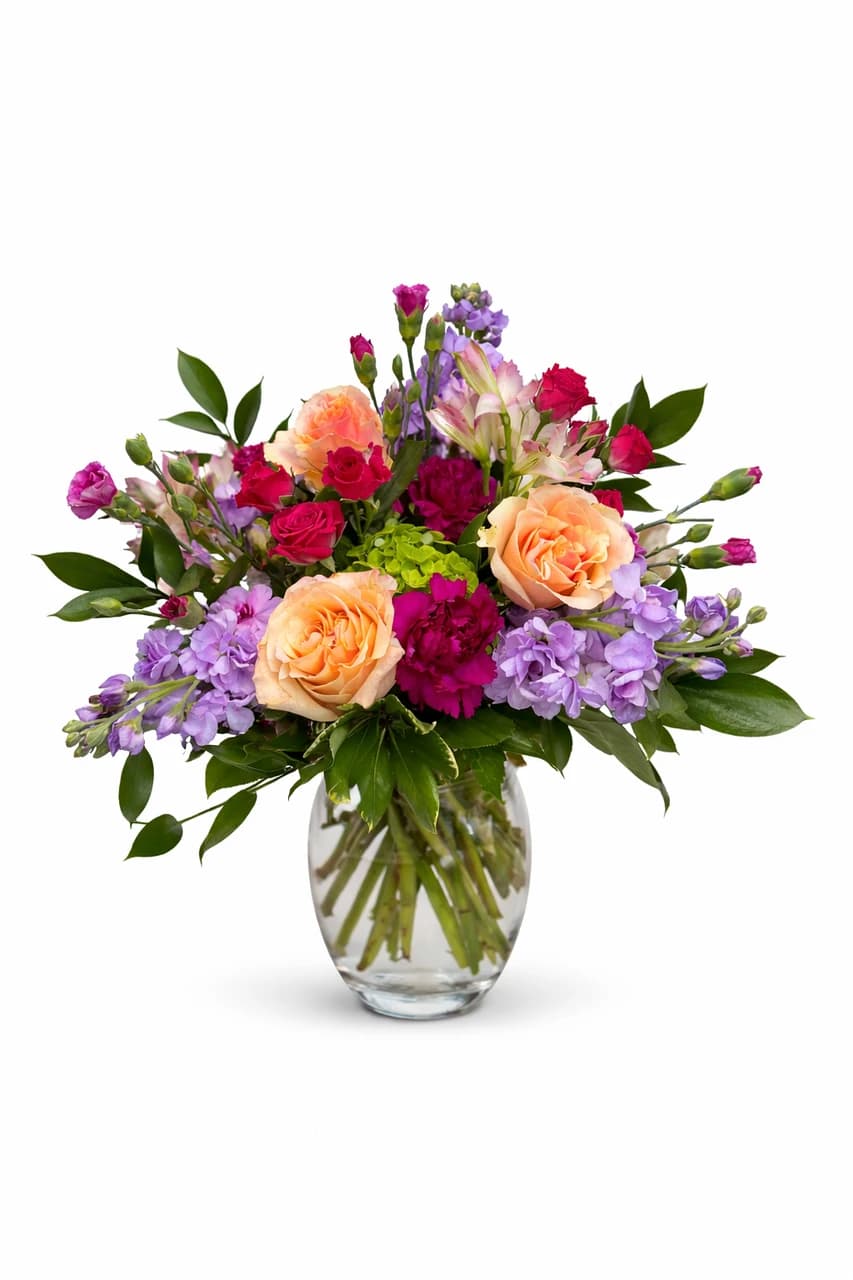
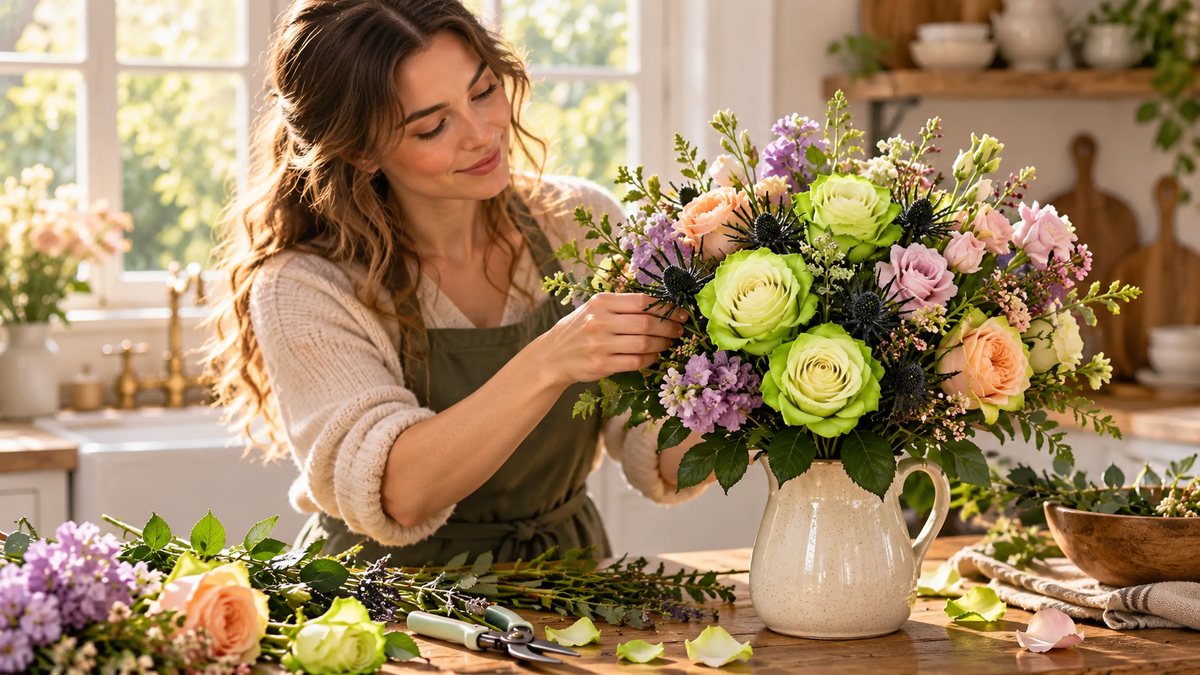
Modern and artistic styles embrace unexpected color combinations, unusual flower varieties, and sculptural presentations. Garden-inspired arrangements like Giverny Garden Bouquet combine peach roses, delicate lavenders, and vibrant pinks in a loose, airy design that feels gathered from a summer garden rather than assembled in a shop. Bold personalities may gravitate toward dramatic contrasts, dark tones, and unconventional blooms that make an unmistakable statement. When in doubt, think about the recipient's home décor, fashion sense, and general aesthetic—these clues will guide you toward a style that feels personally theirs.
The Role of Vases and Presentation
The vase or container significantly influences how a bouquet reads visually and how it fits into a space. Clear glass vases keep the focus on the flowers themselves and suit almost any décor style, from minimalist apartments to traditional homes. Colored glass vases add a layer of color coordination and can make the entire arrangement feel more designed and intentional.
Ceramic and metallic containers bring texture and visual weight, grounding airy blooms and adding a tactile element. The wrapping and presentation matter too—hand-tied bouquets with simple kraft paper or neutral ribbon feel rustic and casual, while arrangements in decorative vases feel more polished and gift-ready. Consider where the bouquet will live: a kitchen counter calls for something sturdy and low-maintenance, an office desk needs a compact footprint, and a formal dining table can handle a taller, more dramatic presentation.
Building a Color Palette: A Beginner's Framework
When you're unsure where to start, use this simple three-step approach to narrow your options quickly. First, identify the occasion and the emotion you want to convey—romance, sympathy, celebration, appreciation, or congratulations. Second, choose a dominant color family that matches that emotion. Third, add one or two accent colors for depth, contrast, and visual interest.
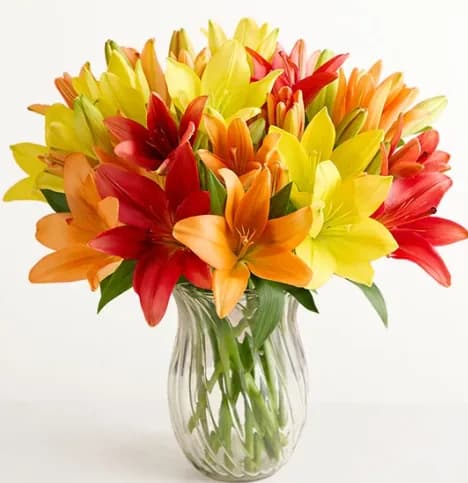
For example, a romantic bouquet might use pink as the dominant color with white accents and touches of deeper berry for richness. A cheerful get-well arrangement could center on yellow with orange accents and fresh green foliage for balance. Golden Hour Glow demonstrates this principle beautifully with multi-colored Asiatic lilies in bold shades of yellow, orange, and red, arranged in a clear glass vase that lets the vibrant palette take center stage. The key is restraint—two or three colors plus greenery is almost always more elegant than a rainbow of competing hues.
Common Color Mistakes and How to Avoid Them
Beginners often make a few predictable mistakes that are easy to avoid once you know them. One is choosing too many competing colors in a single arrangement, which can look chaotic rather than vibrant. Stick to two or three main colors plus green foliage for cohesion and visual calm. Another common mistake is ignoring the recipient's preferences or home décor—a bold, dramatic bouquet may overwhelm someone who loves soft, neutral tones, while an all-white arrangement might feel too subdued for someone who thrives on color.
Some buyers also overlook the impact of lighting on how colors appear. A deep burgundy bouquet that looks stunning in a bright living room may appear nearly black in a dim hallway. When ordering for a specific space, consider the ambient light and choose colors that will read well in that environment. Finally, don't forget that flower color can carry traditional symbolism—red for love, yellow for friendship, white for purity—though these associations vary by culture and context, so use them as gentle guidance rather than strict rules.
Seasonal Color Considerations
While many flowers are available year-round thanks to global sourcing and greenhouse cultivation, certain colors and varieties peak in specific seasons and often look freshest during their natural bloom time. Spring brings soft pastels, tulips, and peonies in blush and cream. Summer delivers vibrant sunflowers, zinnias, and bold tropical blooms in saturated hues. Autumn favors deep oranges, burgundies, warm golds, and rich reds, while winter often features whites, deep reds, and evergreen accents that feel cozy and festive.
That said, modern florists can source most varieties throughout the year, so don't feel limited by the calendar. If you have your heart set on a specific color palette, it's always worth asking what's freshest and most available at the time of ordering—seasonal flowers often look fuller, last longer, and offer better value. When you're planning ahead for a specific event, mentioning your color preferences early gives the florist the best opportunity to source exactly what you envision.
Putting It All Together: Your First Confident Choice
Armed with these basics, you can approach any flower purchase with clarity and confidence. Start with the occasion, choose a color family that fits the emotion, consider the recipient's style and the space where the bouquet will live, and let the vase and presentation tie everything together. Whether you're drawn to the timeless elegance of red roses, the soft romance of lavender and pink, or the energetic warmth of a multi-colored lily arrangement, the right choice is the one that feels intentional and personal.
Trust your instincts, use these guidelines as a starting point rather than rigid rules, and remember that the thought and care behind the gift matter as much as the specific blooms. Same-day delivery is available in many areas, though it's never guaranteed everywhere, so plan ahead when you can. When you're ready to explore the possibilities, Great Flowers offers a wide range of color palettes and styles to suit every taste, occasion, and budget.