Sunflowers (Helianthus annuus)
A guide to sunflowers covering identification, common varieties, traditional symbolism, seasonal availability, cut-flower care, design uses, gifting occasions, and frequent questions.
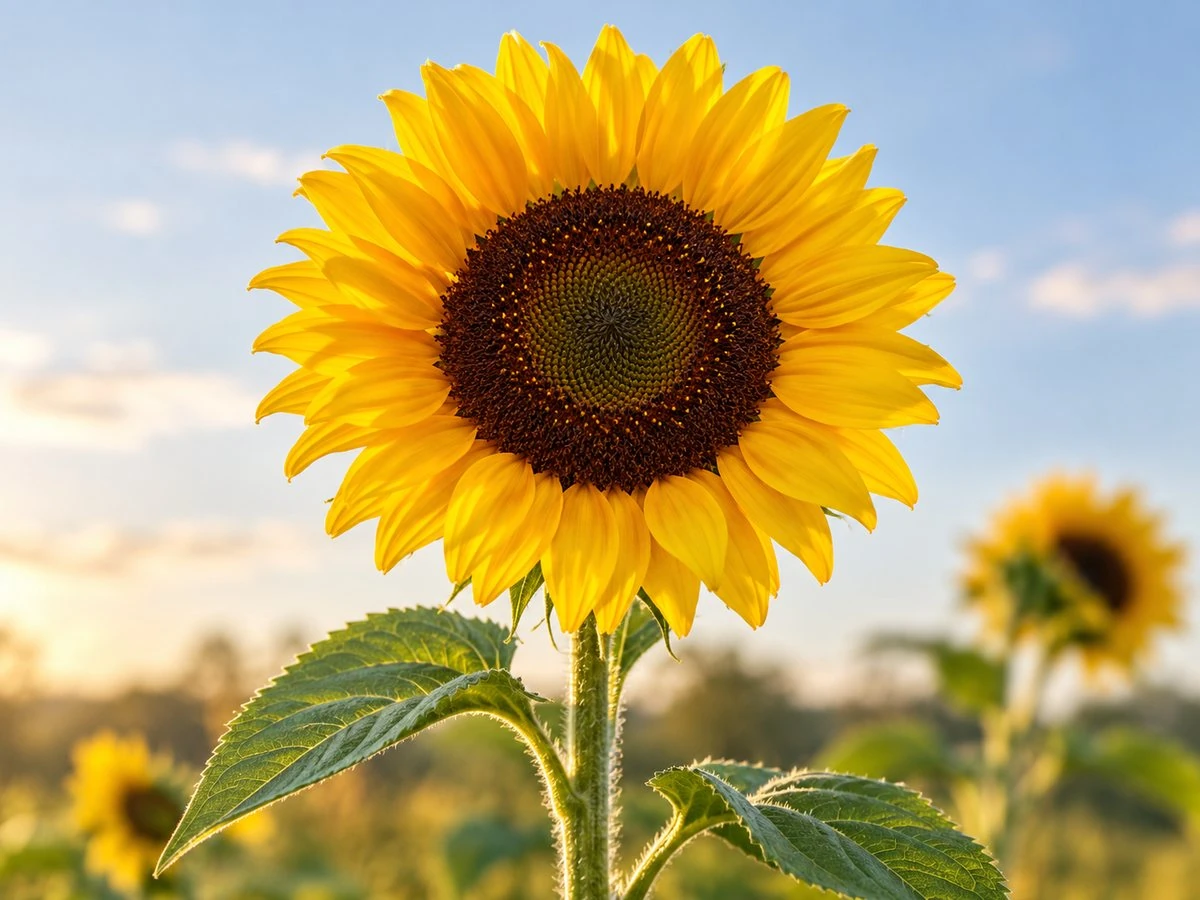
Sunflowers are among the most recognizable flowers in gardens and bouquets alike. Their large, daisy-like heads turn the classic sunflower form into something bold enough to anchor a room and gentle enough to soften a casual centerpiece. Whether you are buying, arranging, or caring for them, a basic understanding of what sunflowers are and how they behave in a vase makes the experience more predictable and more useful.
Overview and Identification
Helianthus annuus belongs to the daisy family, Asteraceae. Its most familiar form is a tall, upright plant topped by a broad flower head with small central disk florets surrounded by showy ray petals. Head size, petal count, and overall habit vary, but the family pattern stays consistent: a central disc, a ring of petals, and leaves arranged alternately along a sturdy, often hairy stem.
In cut-flower work, growers typically choose varieties selected for strong stems, uniform heads, and long vase life. Sunflowers used in arrangements are usually harvested at a stage where the central disc is still tight and the petals are not yet fully exhausted. That timing keeps them visually striking for several days after they arrive.
Common Varieties and Forms
Modern sunflowers span several forms. Single-stem types produce one large head on a tall stalk. Branching types generate multiple smaller heads with more lateral growth, useful for cutting gardens and dense designs.
Pollen-free or pollenless cultivars have become popular in floristry because they reduce the mess on table surfaces and lower the chance of staining nearby fabrics. These varieties still display the same bright, open face, but they are bred to hold their petals cleanly during handling and display.
Dwarf and miniature sunflowers are often used in small arrangements, windowsill displays, or as accent stems in larger bouquets. They carry the same general family structure but at a scale better suited to confined spaces. Flecked and bicolor petals appear in some specialty selections, giving designers additional visual texture without changing the basic sunflower identity.
Colors and Traditionally Associated Meanings
Most people think of sunflowers as yellow, and that remains the dominant commercial color. Warm golds, deep oranges, and even reddish-brown discs all fall under the same general sunflower impression. Cultivars with cream, burgundy, or striped petals expand that palette for designers who want contrast.
In many Western traditions, sunflowers are traditionally associated with warmth, positivity, and loyalty. Their habit of tracking the sun has long inspired symbolic language around admiration and good cheer. Other cultures may assign different meanings, so consider the recipient and occasion before treating one interpretation as universal.
Season and Availability
In the United States, domestic sunflower production peaks during summer and early fall. That period is when most florists and grocery stores carry the largest volumes of locally grown stems. Greenhouse and import programs extend availability into late spring and early winter in many markets, but supply and quality can be less predictable outside the peak months.
Sunflowers are widely available year round through commercial channels, yet their strongest season remains the warmer months. When ordering during winter or early spring, it can help to confirm that your chosen arrangement will use high-quality imported or greenhouse-grown stems rather than older inventory.
Cut-Flower Care
Fresh-cut sunflowers benefit from the same basic routines that help most cut flowers last longer. Start with a clean vase and fresh, room-temperature water. A floral preservative is useful, especially in warm rooms where bacteria can multiply quickly. If you do not have a commercial preservative, a modest concentration of sugar and a small amount of household bleach can serve as an improvised mix, but clean water and regular changes are the most important factors.
Strip foliage below the waterline, since submerged leaves accelerate bacterial growth. Re-cut stems at an angle under running water before arranging to improve water uptake. Trim about one inch of stem every two to three days and change the water at the same interval.
Sunflowers tend to be heavy drinkers once they open, so monitor the water level daily. If the heads droop even though the stems look hydrated, try placing the entire arrangement in cool water for an hour or two, or recut the stems at a slightly steeper angle. Avoid direct afternoon sun and heat sources, which accelerate petal fatigue and dehydration.
Arrangement and Design Uses
The natural scale and bold form of sunflowers make them excellent focal flowers. A single large sunflower can anchor the center of a low arrangement, while smaller or pollen-free stems can create a layered effect. Pair sunflowers with flowers that balance color intensity, texture, or height.
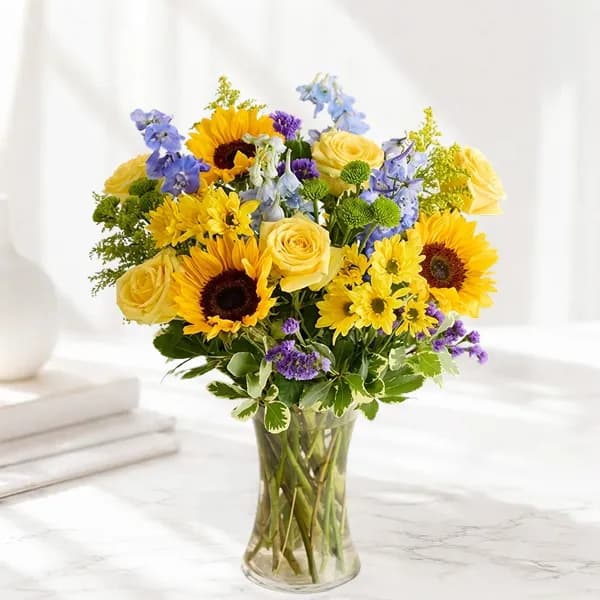
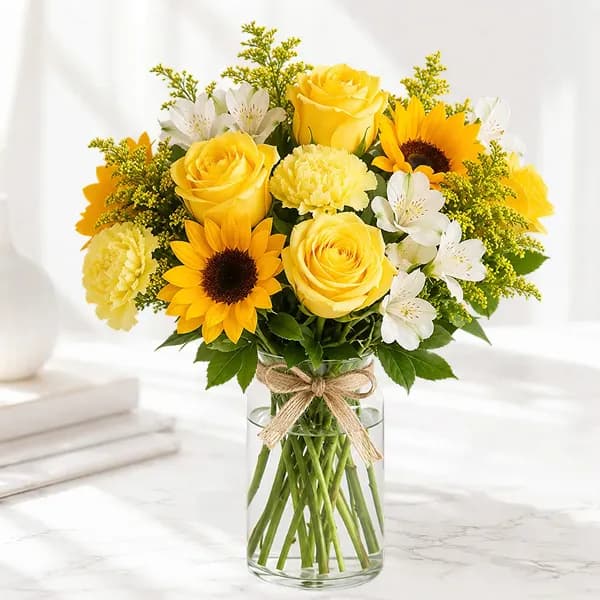
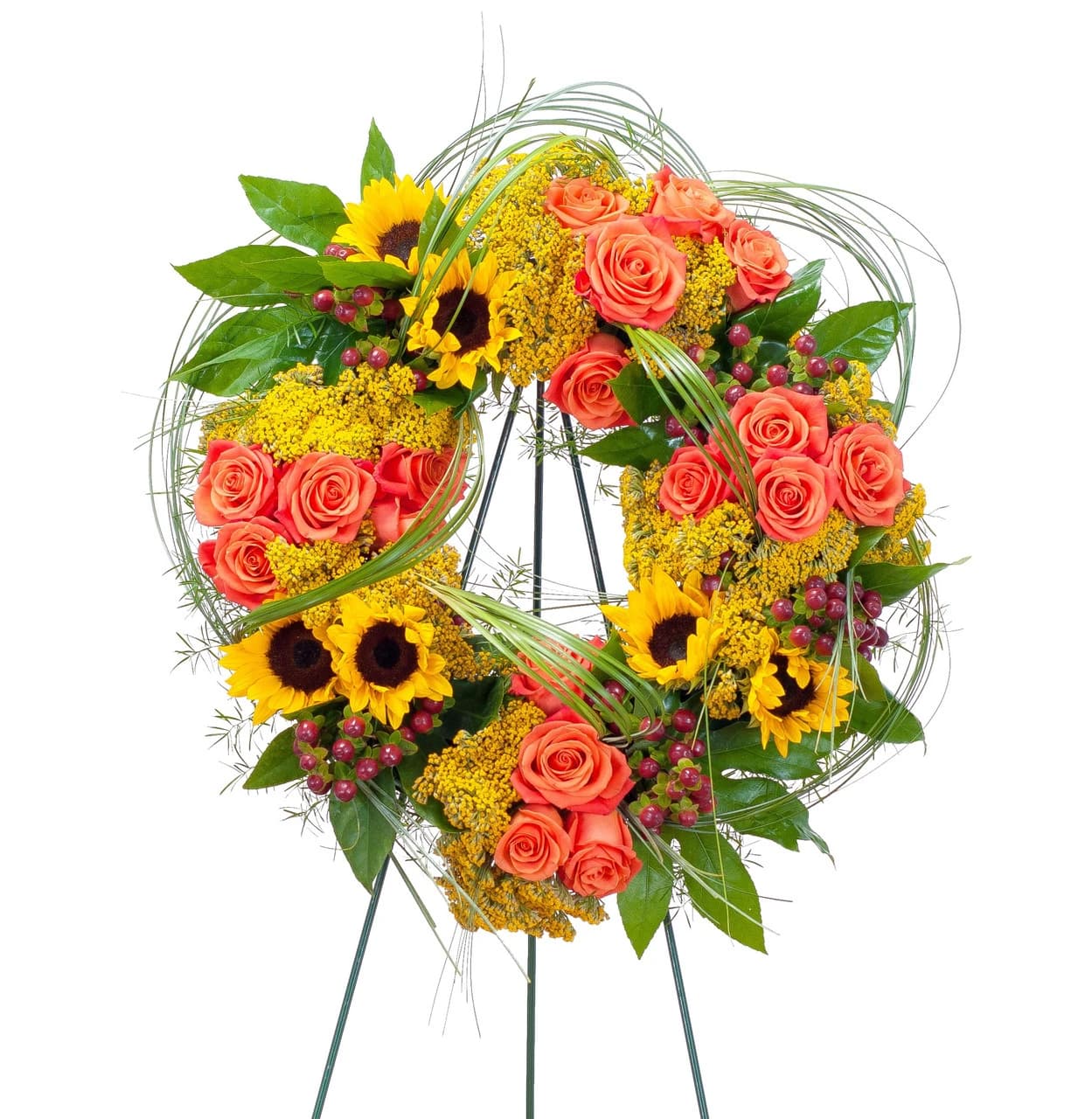
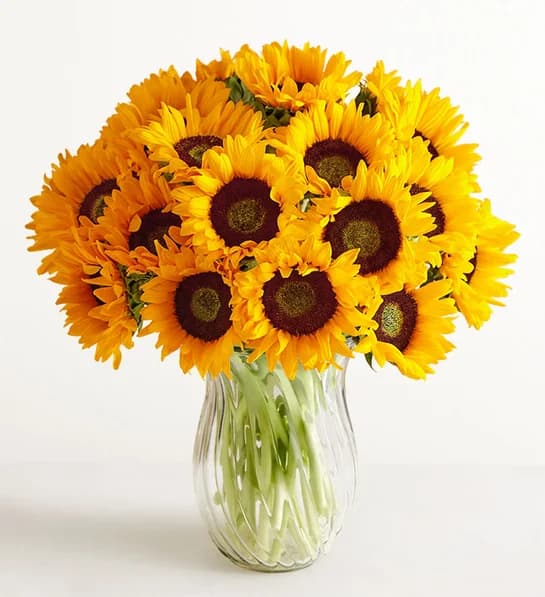
The Sunflower Sunshine Bouquet presents fresh, vibrant sunflowers arranged in a clear glass vase and is suited for birthdays and congratulations. Sunset Garden Tribute combines cheerful sunflowers with vibrant orange roses, golden yarrow, and rich red hypericum berries for sympathy and remembrance. Summer Buzz pairs golden sunflowers with yellow roses, white alstroemeria, and yellow carnations in a clear glass vase with a rustic twine bow for a fresh and sunny display. European Meadow matches golden sunflowers with yellow roses, soft blue delphinium, and purple statice in a classic clear glass vase for a European countryside feel.
When mixing sunflowers with other flowers, keep the overall height and volume of each stem in mind. Heavy heads can overpower delicate flowers, so place sunflowers low and central or stagger them at different heights to keep the arrangement balanced.
Gifting Occasions
Sunflowers suit occasions where warmth, celebration, or encouragement is central. Birthdays, graduations, and congratulations are natural fits because the flower reads as cheerful and energetic without feeling formal. Sympathy and remembrance occasions are also appropriate when paired thoughtfully with other elements.
Everyday moments benefit from sunflowers too. A spontaneous thank-you gift, a cheerful housewarming gesture, or a simple “thinking of you” arrangement can carry the same honest brightness without needing a specific holiday or milestone. Because sunflowers are widely recognized, they work well when you want the flower itself to communicate warmth without explanation.
Frequently Asked Questions
Are sunflowers difficult to grow?
Sunflowers are often considered beginner-friendly because they germinate readily in many soil types and grow quickly under ordinary garden conditions. Exact performance depends on local climate, soil, and cultivar, so results can vary, but many gardeners find them accessible for a first seasonal planting.
How long do fresh-cut sunflowers last?
Under good care, fresh-cut sunflowers commonly last five to ten days. Pollen-free varieties often hold slightly longer because they produce less debris. The single most influential factors are water quality, temperature, and how quickly the stems are recut after harvest or delivery.
Do sunflowers always turn toward the sun?
Mature sunflower heads tend to face east rather than moving throughout the day. The popular image of sunflowers tracking the sun describes the behavior of young buds before they open. Once blooming begins, most heads settle into a fixed orientation.
For a broader selection of floral options and guidance, visit Great Flowers.