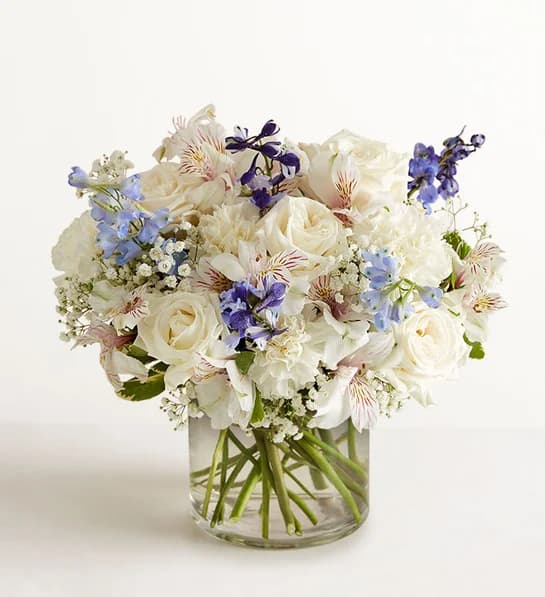
Hydrangeas (Hydrangea)
Hydrangeas are loved for their large rounded heads of many small blossoms. Learn how to identify them, their common forms, colors, care, and gifting occasions in this Great Flowers wiki entry.
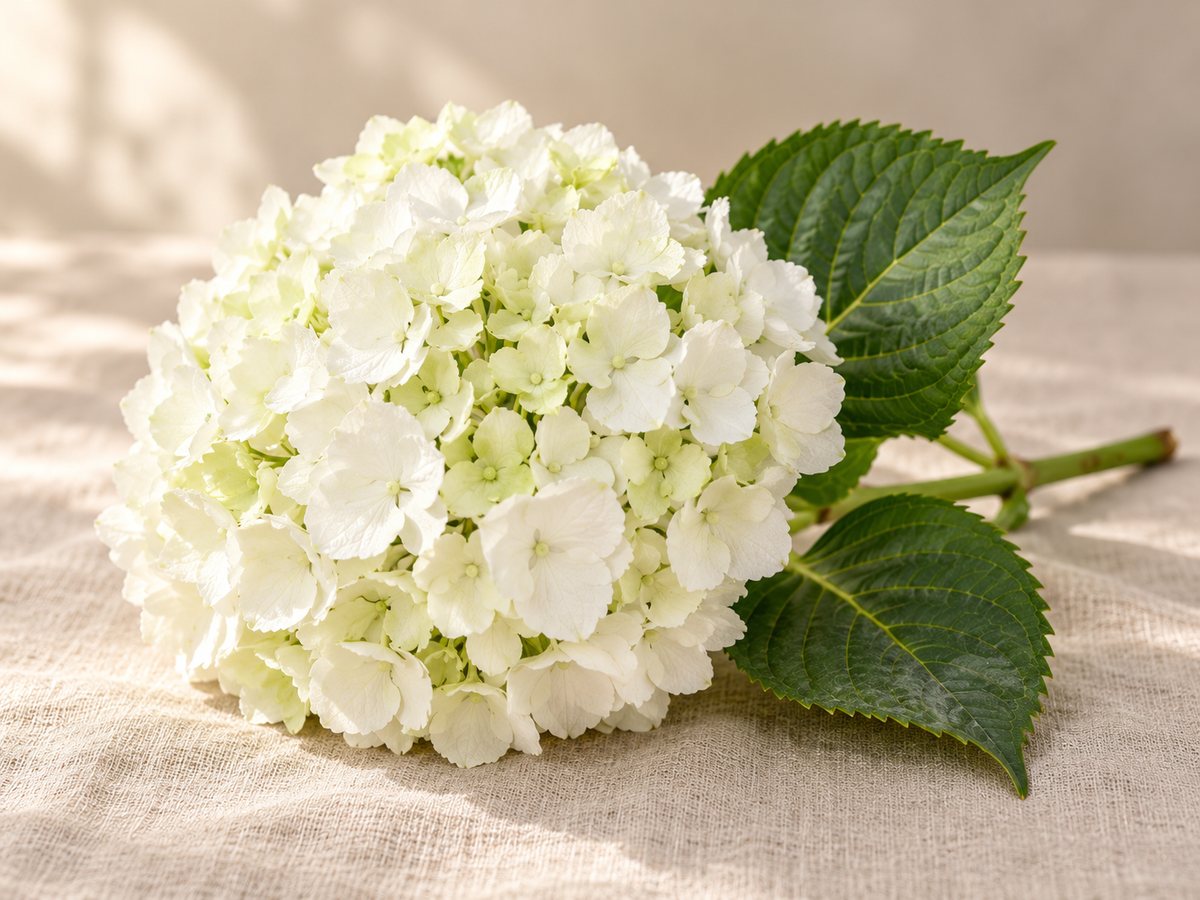
Hydrangeas are a familiar sight in gardens, bouquets, and sympathy tributes. Their large, rounded flower heads are made up of many smaller blossoms, which gives them a soft, cloud-like look. Several shrub species share the common name, and the exact appearance varies from one plant to the next. That variety is part of what makes them useful to florists and gardeners alike, because a single plant family can fill very different roles in a design.
What Hydrangeas Look Like
Most hydrangeas grown for their flowers are shrubs, though some forms are vines or small trees. The blooms appear as dense heads or looser, flatter clusters, depending on the variety. Individual flowers are usually small, with four petal-like sepals arranged around a center. Leaves are typically broad, toothed, and arranged in pairs along the stem.
The stems can be a clue when you are choosing cut flowers. Mature stems are often woody, while newer growth is softer and greener. Woody stems take up water more slowly, which matters for arranging and care. A stem that bends rather than snaps is usually fresher and easier to work with.
Some hydrangea heads are made almost entirely of large, showy sepals, while others mix a few showy florets with many tiny, less noticeable ones at the center. Both kinds are sold under the same common name, so it pays to look at the head rather than relying on a label alone.
Common Varieties and Forms
Bigleaf hydrangea, sometimes called mophead, is the type most people picture. Its large round heads are made of many showy florets. Panicle hydrangea carries cone-shaped clusters that often start pale and deepen in color as the season progresses. Smooth hydrangea has rounded heads and sturdy stems, while oakleaf hydrangea is grown for both its blooms and its deeply lobed foliage.
Not all of these forms behave the same way. Bloom shape, stem strength, and how long the flowers last all depend on the variety, so it helps to ask which type you are buying. A florist can usually tell you what is in season and what will hold up best in the arrangement you have in mind.
Colors and Traditionally Associated Meanings
Hydrangeas appear in shades of white, pink, blue, purple, and green. Color is often tied to growing conditions, and a plant can even shift tone from one season to the next. This is one reason the flowers read differently from one garden or bouquet to another, and why a color shown in a photograph may not match what arrives.
Traditionally, hydrangeas are associated with gratitude, heartfelt emotion, and apology. White blooms are often linked with purity and sympathy, pink with affection, and blue with calm and understanding. These meanings vary by culture and context, so treat them as a starting point rather than a rule. The same bouquet can carry a different message depending on who gives it and why.
Season and Availability
In many regions, hydrangeas bloom from late spring through summer and into early fall, though timing shifts with climate. In the cut-flower trade they are often available for much of the year thanks to growers who supply them outside their local season.
Because supply varies, it is worth asking a florist what is fresh this week. A flower that is at its best locally will usually look and last better than one shipped from far away, and the price often reflects that too.
Cut-Flower Care
Once you have hydrangeas home, trim the stem ends at an angle and remove leaves that would sit below the water line. Use a clean vase and fresh water, and refresh the water often. Cooler spots out of direct sun help the blooms hold their shape.
If a head starts to wilt, recut the stem under water and place it in room-temperature water for a while. Some varieties also respond to a brief dip in warm water before being returned to the vase. Keeping the vase away from ripening fruit, which releases gas that ages flowers faster, is another small habit that helps.
Arrangement and Design Uses
Hydrangeas work well as a single focal flower or as filler around other blooms. One large head can anchor a low centerpiece, while smaller clusters soften a hand-tied bouquet. Their broad leaves can be trimmed back to let the flowers stand out, or left in place to add weight and texture.
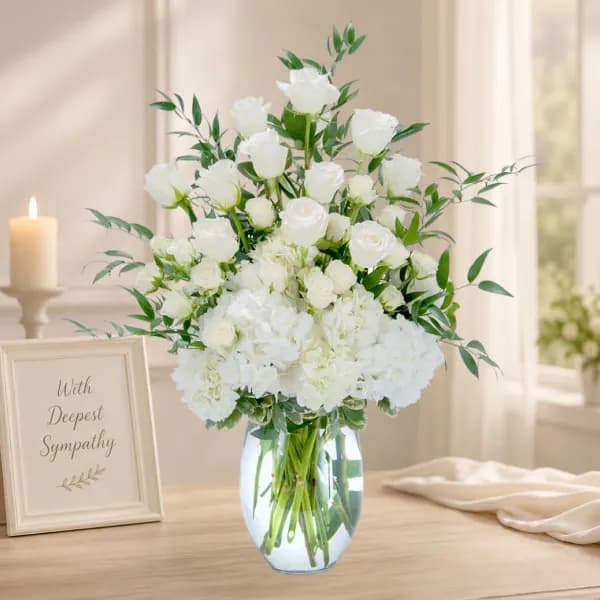
In sympathy designs, white hydrangeas often form the base of the arrangement. For example, Purely Elegant pairs white roses, spray roses, and lush hydrangeas in a clear glass vase. The pale heads give the design its soft outline while the smaller blooms add detail.
Gifting Occasions
Hydrangeas suit many occasions because their look shifts with the setting. A soft pastel bunch reads as warm and cheerful, while all-white arrangements carry a more formal tone. They are a common choice for thank-you gifts, anniversaries, and remembrances.
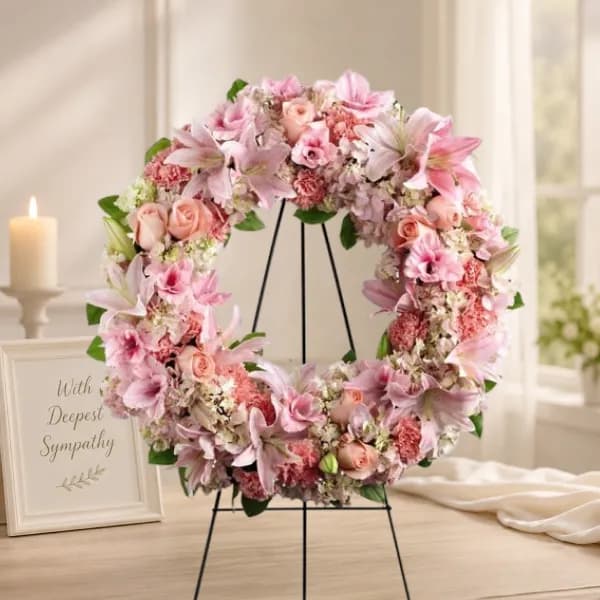
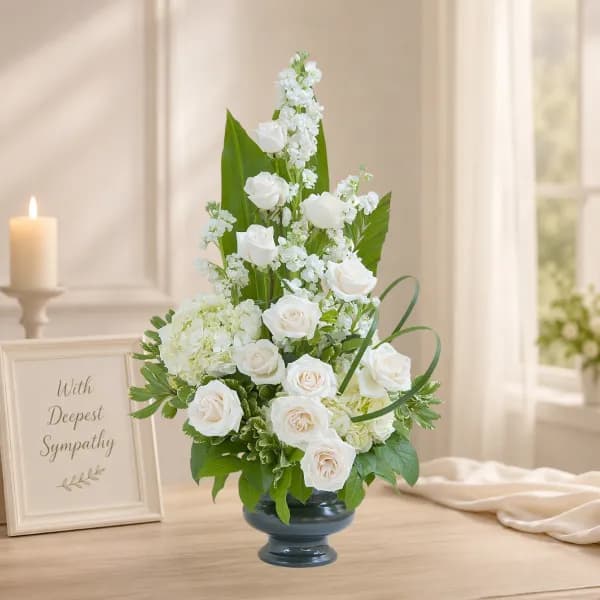
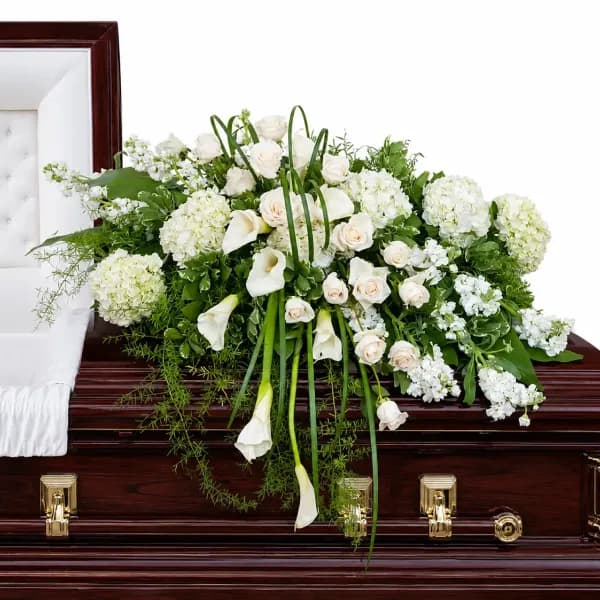
For sympathy, Blushing Grace Tribute combines pink lilies, roses, hydrangeas, and carnations in a standing wreath. Timeless Tribute uses white roses and hydrangeas in a black pedestal urn, and Forever in Our Hearts features white roses, calla lilies, and hydrangeas.
Frequently Asked Questions
How long do cut hydrangeas last?
With fresh water, clean vases, and regular stem recuts, most cut hydrangeas hold up for several days to a week. Hot rooms and direct sunlight shorten that span. Replacing the water every day or two makes a noticeable difference.
Can I change a hydrangea's flower color?
Color can shift with growing conditions and soil chemistry, and some varieties are more responsive than others. A florist or garden center can explain what applies to the specific plant or bouquet you have, since not every hydrangea changes at all.
Are hydrangeas a good gift?
They are widely given as gifts because the large heads read as generous and thoughtful. Choose a color that suits the message, and pair it with a simple note so the sentiment is clear.
For a broader look at our range, visit Great Flowers.