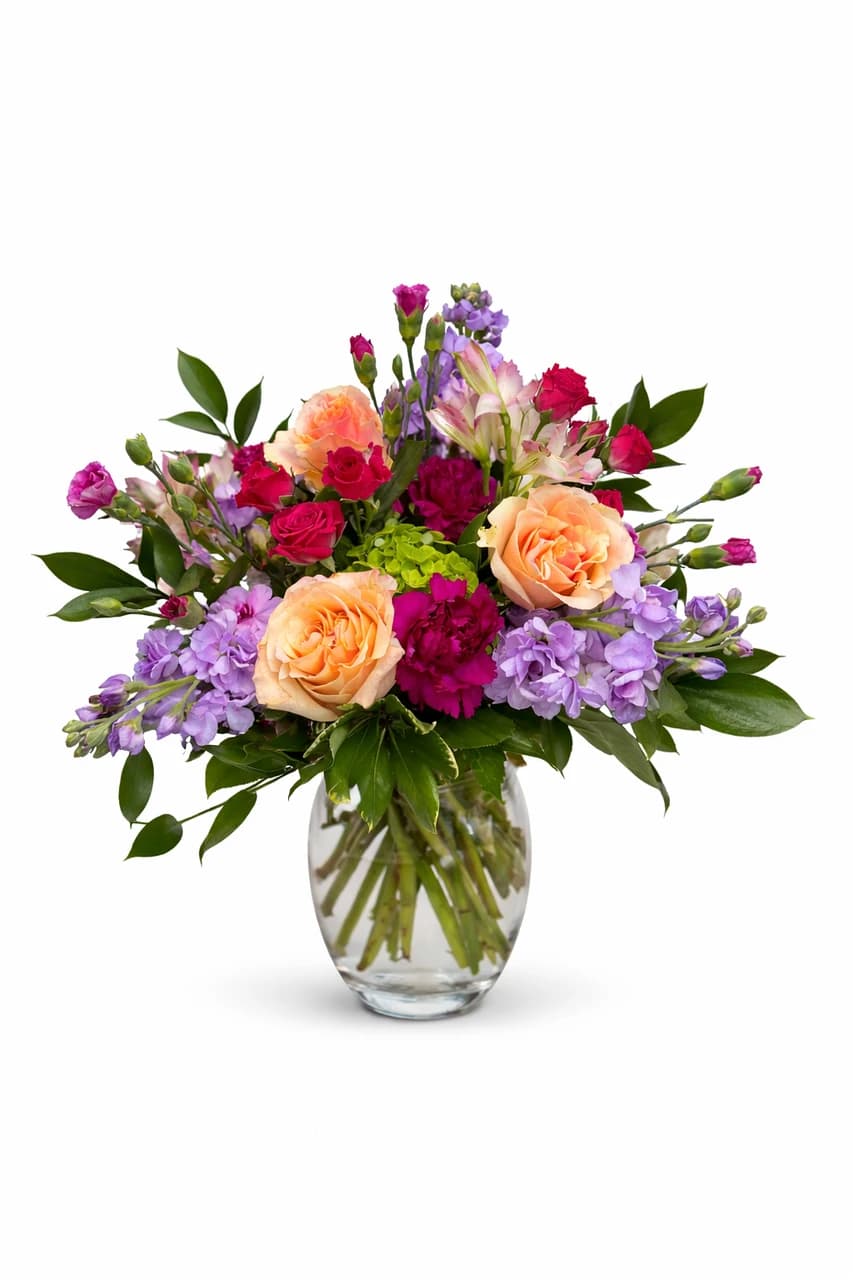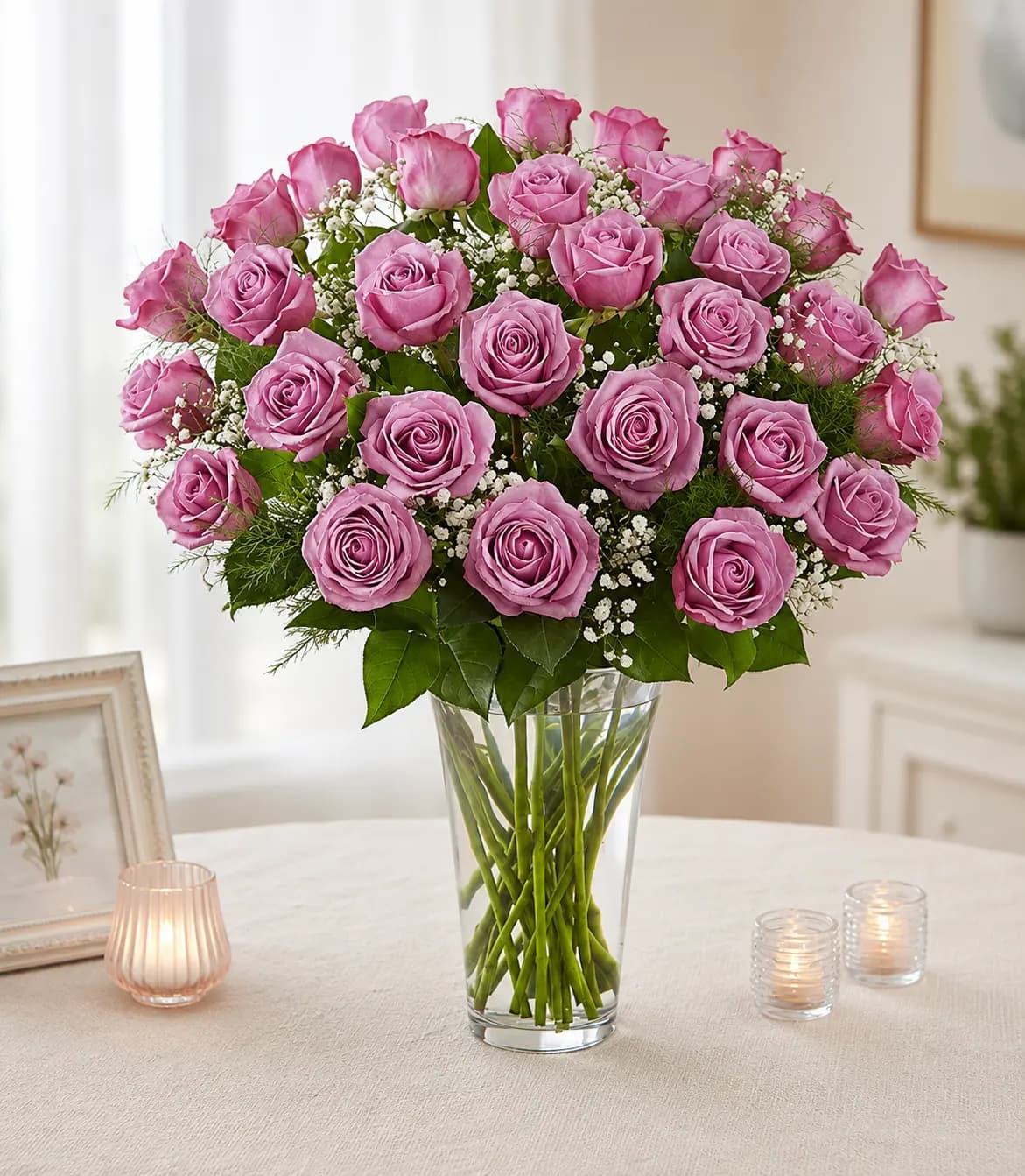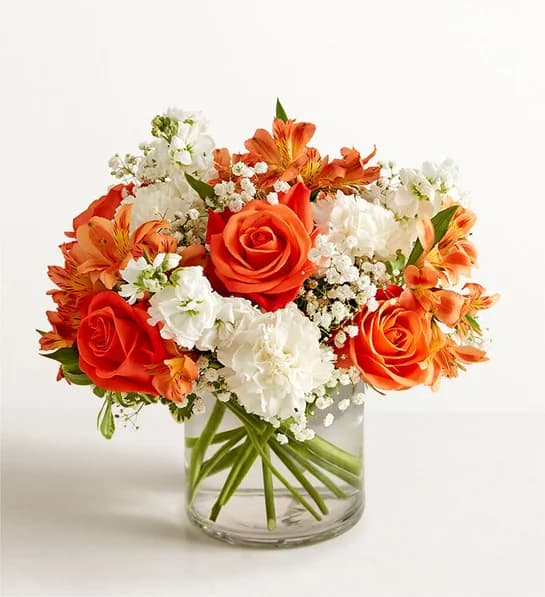
Flowers (Angiosperms)
Flowers are the reproductive structures of flowering plants. They produce pollen and contain structures involved in pollination, fertilization, and seed formation. Flowers vary widely in color, shape, size, fragrance, and structure and are important in ecosystems, horticulture, gardening, floral design, and cultural traditions.
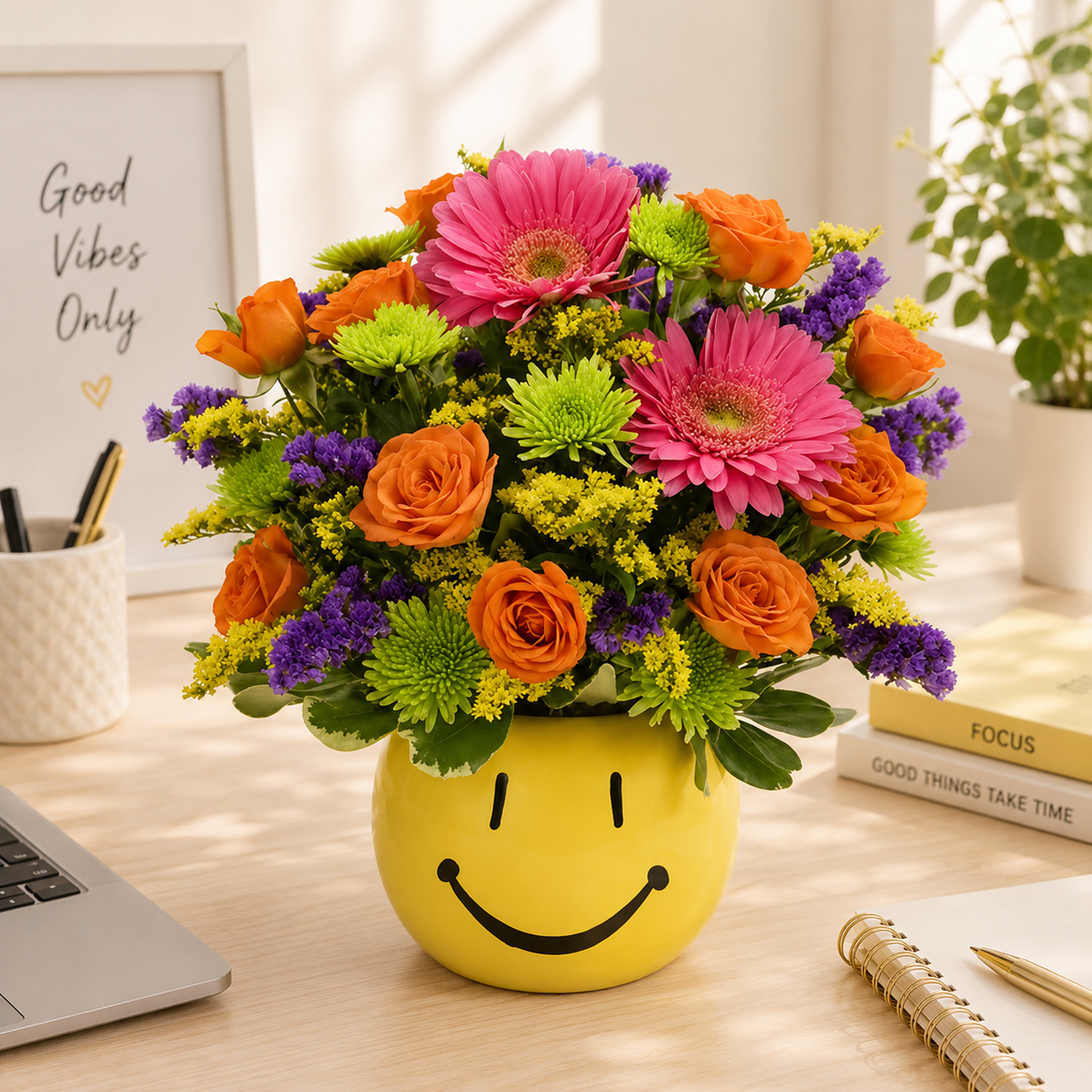
Flowers are the reproductive structures of flowering plants, also known as angiosperms. They play an important role in plant reproduction by producing pollen and, in many species, providing structures that facilitate pollination and seed formation.
Flowers vary widely in size, shape, color, fragrance, and structure. They occur in many habitats and are important in natural ecosystems, agriculture, horticulture, culture, and the floral industry.
Structure of a Flower
A typical flower may contain several major parts:
- Petals: Often colorful structures that can help attract pollinators such as bees, butterflies, birds, and other animals.
- Sepals: Structures that commonly protect the developing flower bud.
- Stamens: The male reproductive structures of a flower. A stamen generally consists of an anther and a filament.
- Anthers: Structures where pollen is produced.
- Filaments: Stalk-like structures that support the anthers.
- Carpel or Pistil: The female reproductive structure of a flower.
- Stigma: The surface that receives pollen during pollination.
- Style: A structure connecting the stigma with the ovary.
- Ovary: Contains ovules that can develop into seeds following fertilization.
- Nectaries: Structures that produce nectar in many flowering plants.
Not every flower contains all of these structures. Some species have separate male and female flowers, while others have flowers containing both reproductive structures.
Types of Flowers
Flowers can be classified in several ways according to their structure, reproductive characteristics, and arrangement.
Complete and Incomplete Flowers
A complete flower contains sepals, petals, stamens, and carpels.
An incomplete flower lacks one or more of these structures.
Perfect and Imperfect Flowers
A perfect flower contains both male and female reproductive structures.
An imperfect flower contains either male or female reproductive structures but not both.
Solitary Flowers and Inflorescences
Some plants produce flowers individually, while others produce groups of flowers known as inflorescences.
Examples of inflorescence types include spikes, racemes, umbels, and heads.
Pollination
Pollination is the transfer of pollen from an anther to a receptive stigma.
Flowers have developed different characteristics that help facilitate pollination. These may include color, fragrance, nectar, flower shape, and the timing of pollen release.
Pollination can occur through:
- Bees
- Butterflies
- Moths
- Birds
- Bats
- Other animals
- Wind
- Water in some plant species
After successful pollination and fertilization, the ovules can develop into seeds. In many flowering plants, the ovary develops into a fruit.
Flower Colors
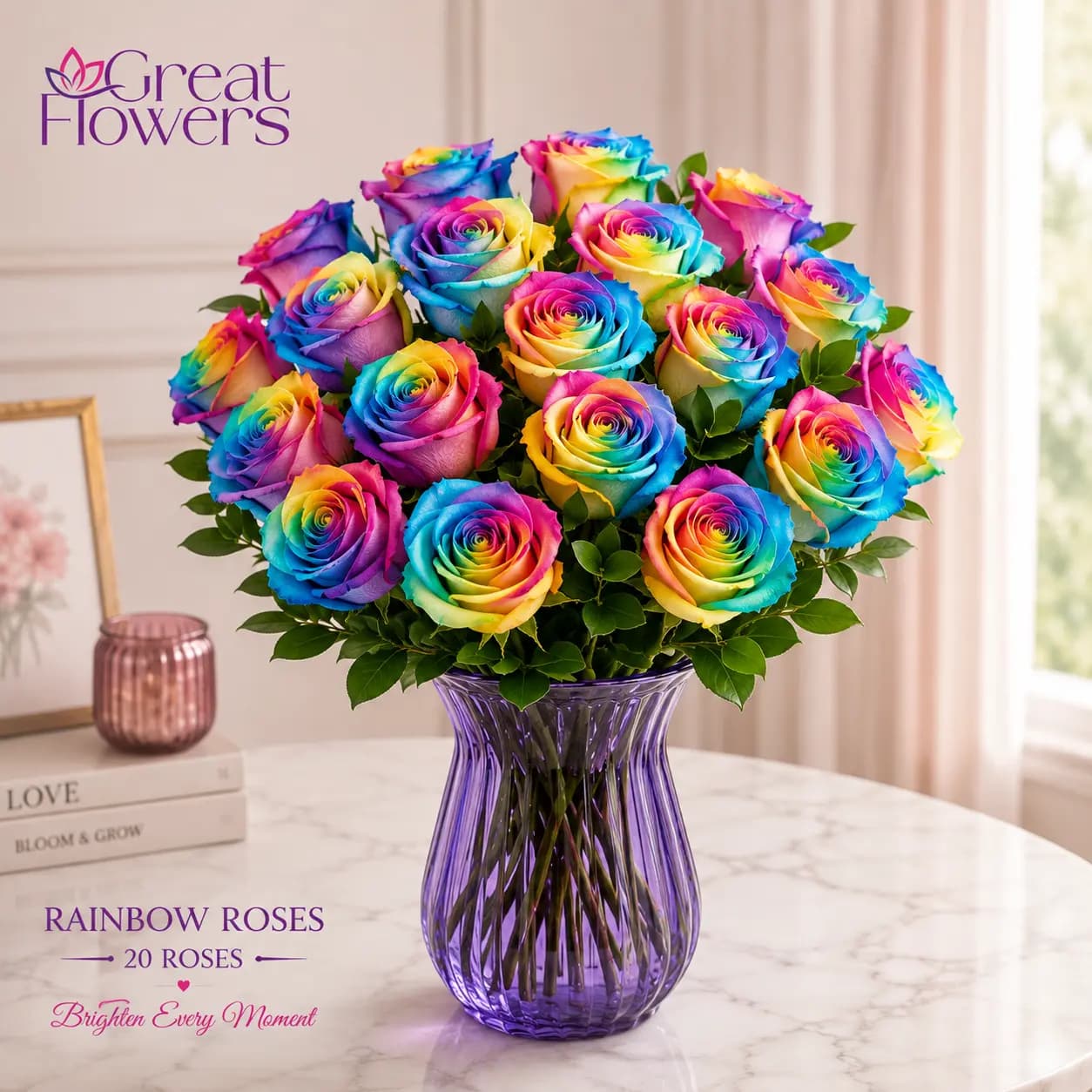
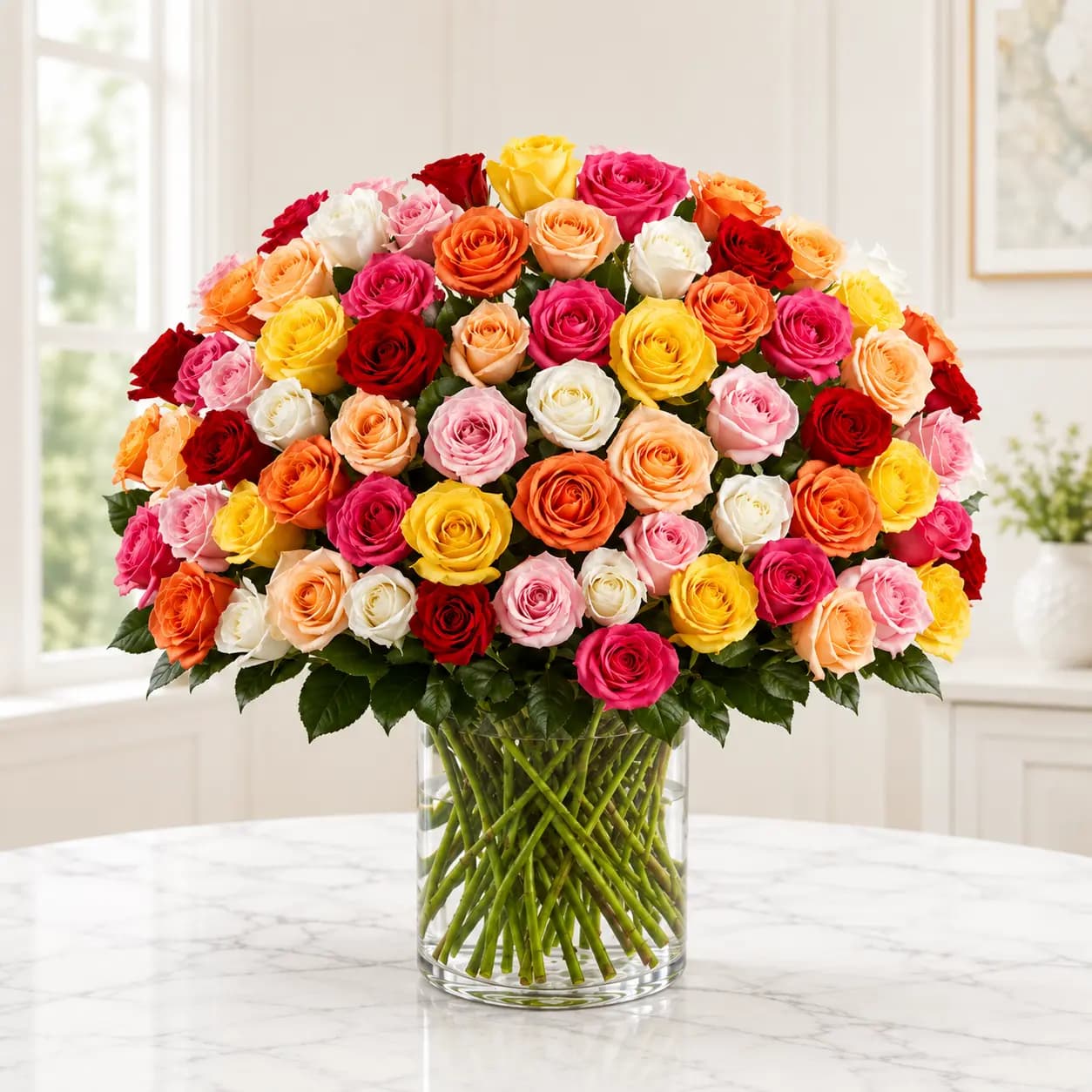
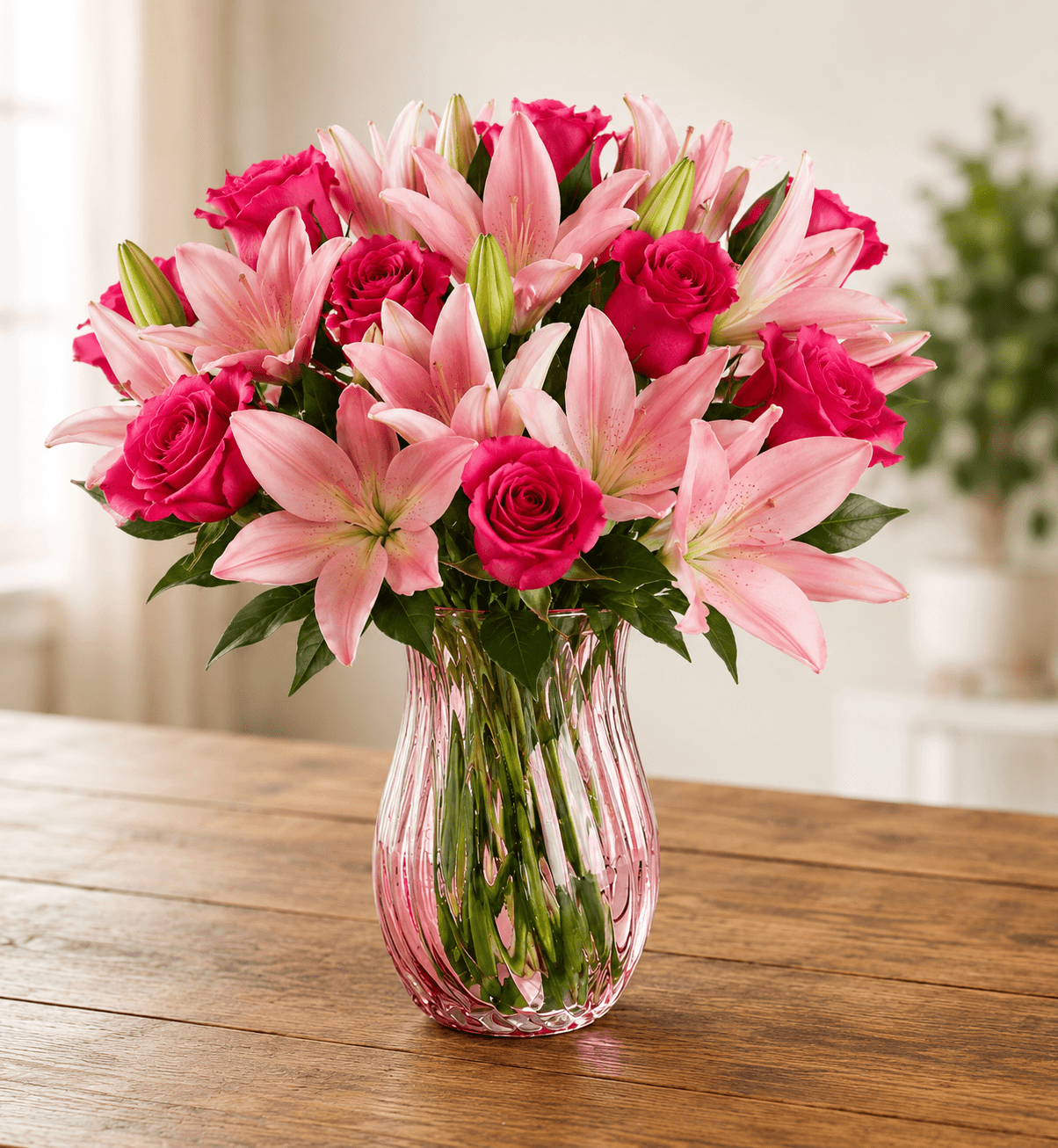
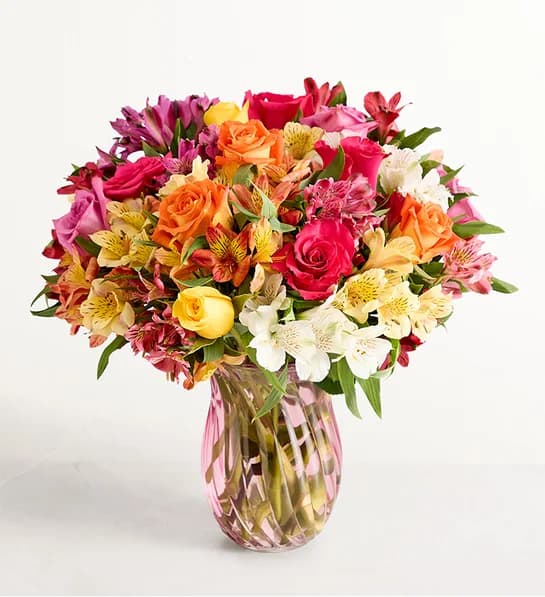
Flowers occur in a wide range of colors, including red, pink, yellow, orange, purple, blue, white, and combinations of multiple colors.
Flower color can have biological functions, particularly in attracting pollinators. Pigments such as anthocyanins, carotenoids, and betalains contribute to many flower colors.
Color can also influence how flowers are used in horticulture, decoration, gifting, and cultural traditions.
Fragrance
Many flowers produce fragrances that can attract pollinators or influence interactions with other organisms.
Flower fragrances are produced by mixtures of volatile chemical compounds. Different species can produce distinctive scents, ranging from sweet and floral to spicy, citrus-like, or earthy.
Not all flowers are strongly scented. Some flowers rely primarily on visual characteristics or other mechanisms to attract pollinators.
Common Types of Flowers
Some widely cultivated and recognized flowering plants include:
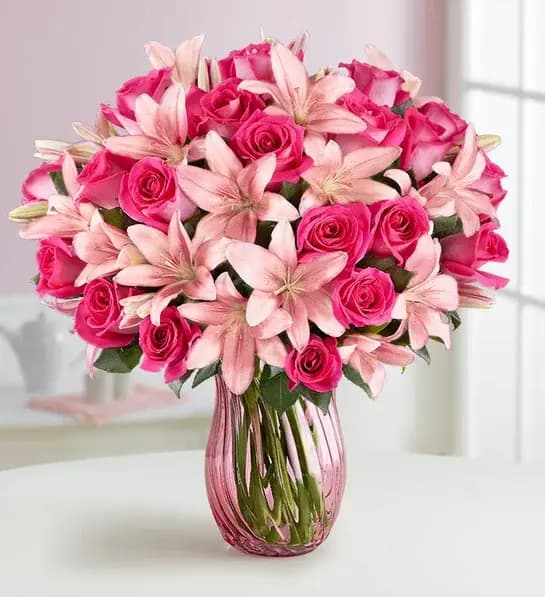
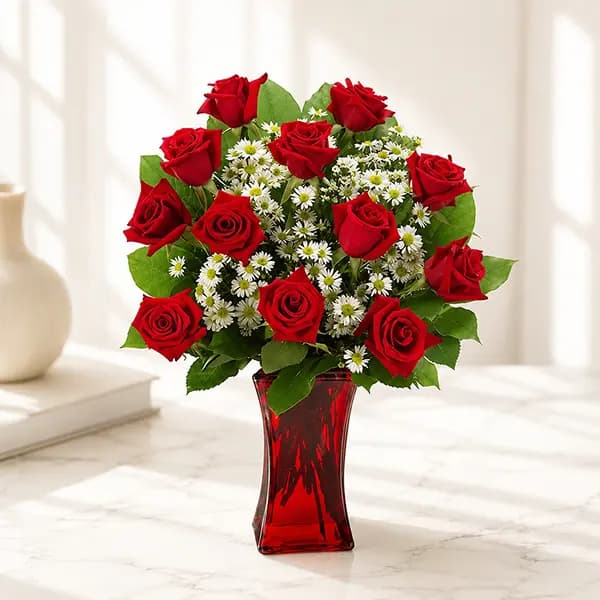
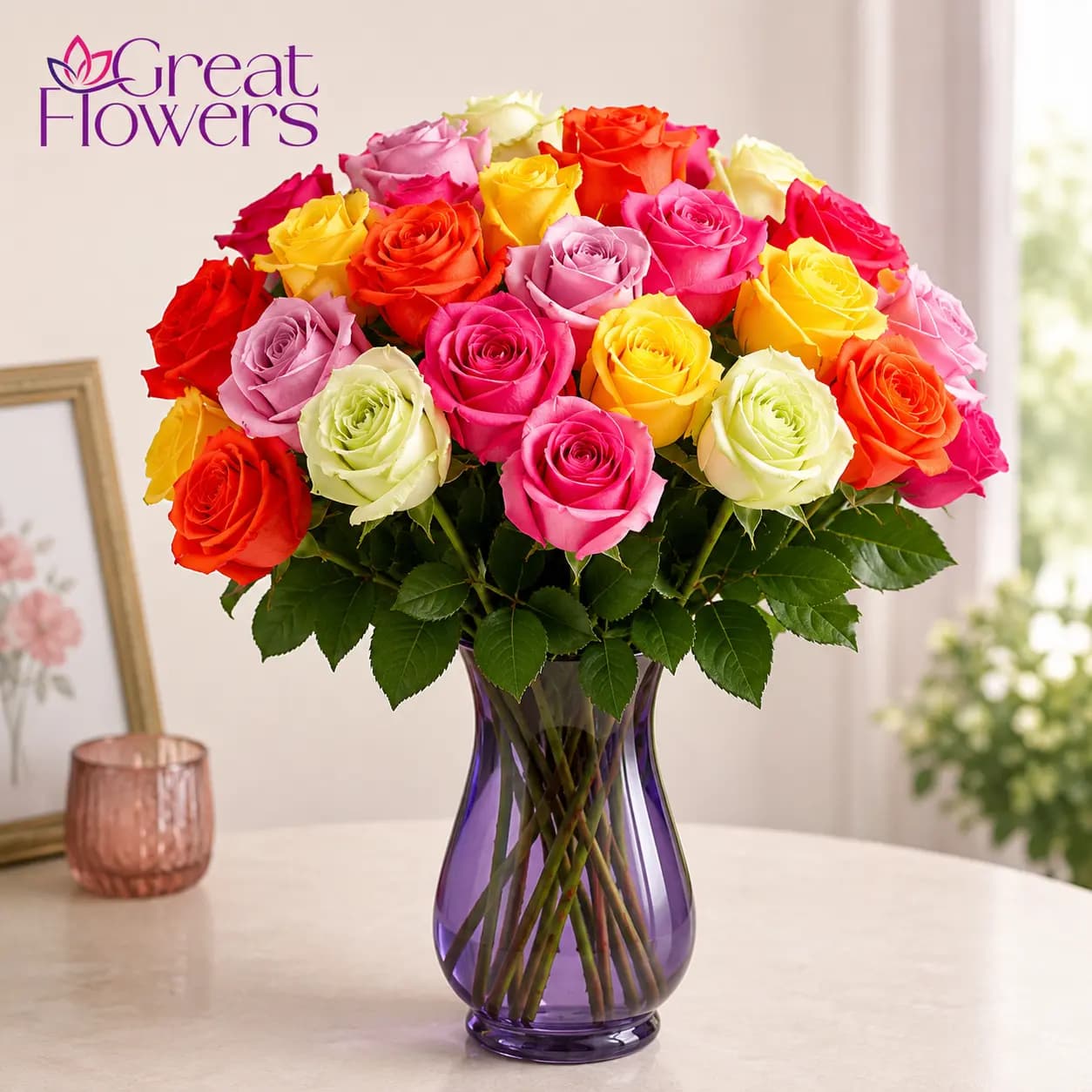
- Roses
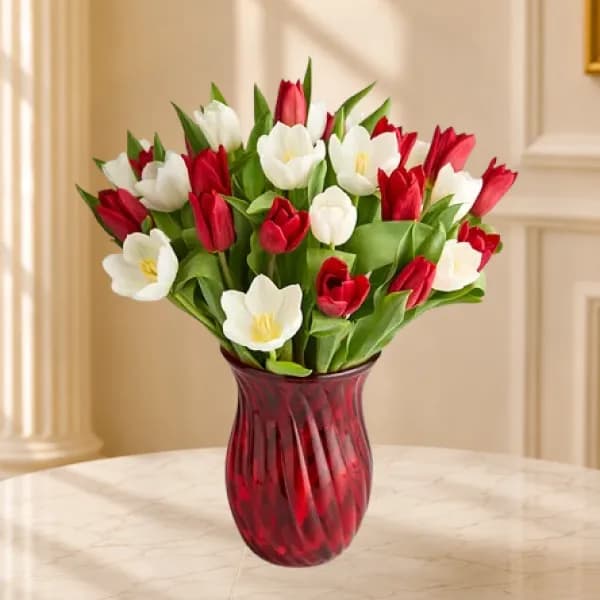
- Tulips
- Sunflowers
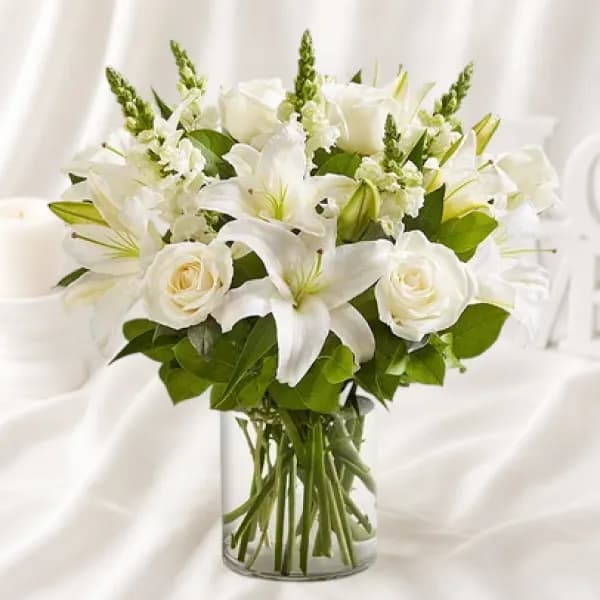
- Lilies
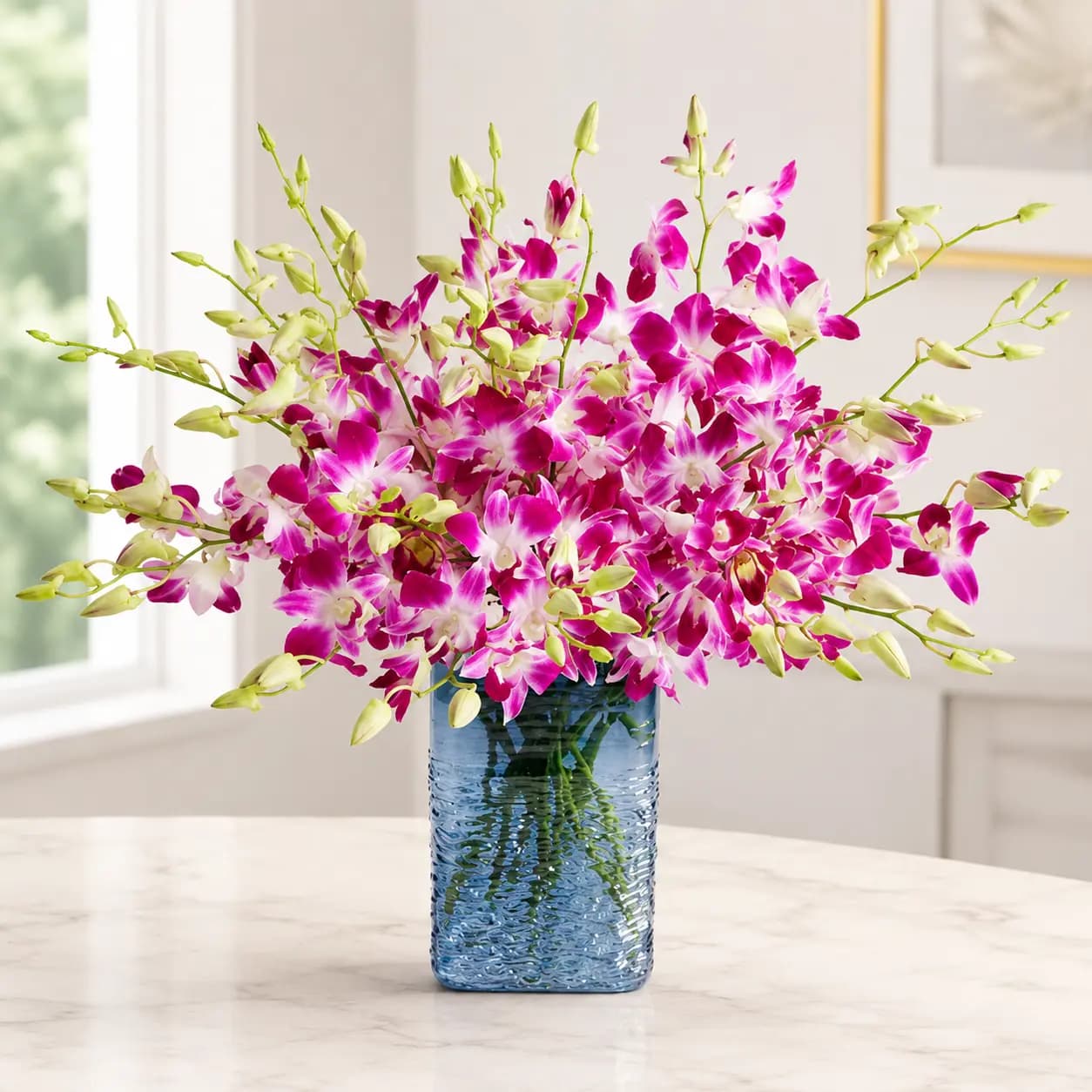
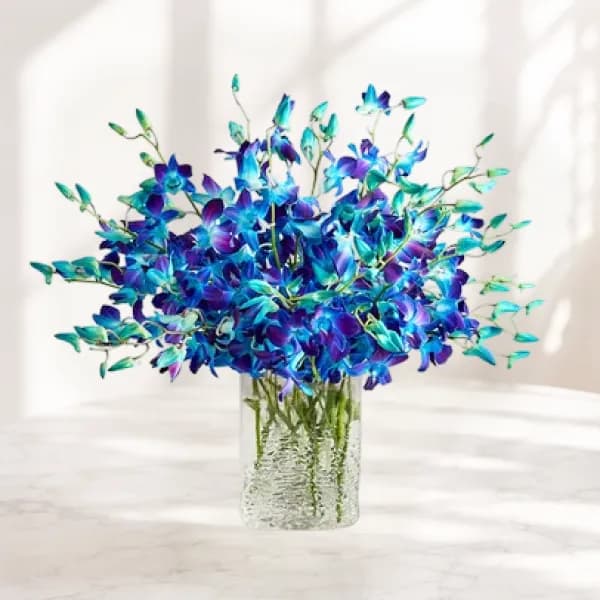
- Orchids
- Daisies
- Carnations
- Chrysanthemums
- Daffodils
- Peonies
- Hydrangeas
- Irises
- Marigolds
- Gerbera daisies
Different flowers have different growing requirements, including temperature, soil conditions, water, sunlight, and seasonal conditions.
Flowers in Horticulture
Flowers are widely cultivated in gardens, parks, greenhouses, landscapes, and commercial farms.
Horticulturists develop and propagate flower varieties for characteristics such as:
- Color
- Size
- Shape
- Fragrance
- Flowering period
- Disease resistance
- Vase life
- Growing conditions
Cut flowers are cultivated specifically for use in bouquets, floral arrangements, decoration, and other applications.
Cut Flowers and Bouquets
A cut flower is a flower or flowering stem that has been removed from a living plant for decorative use.
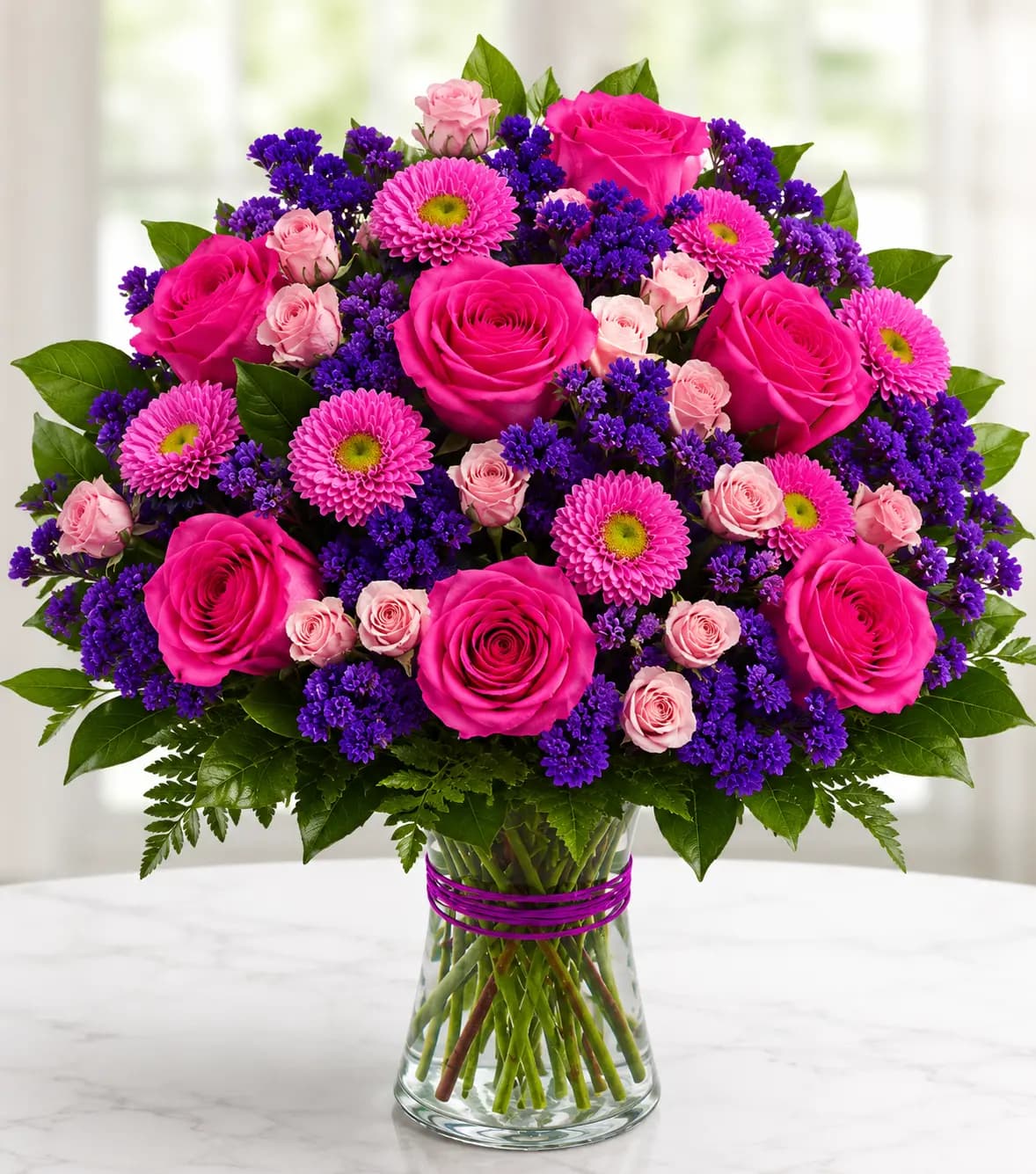
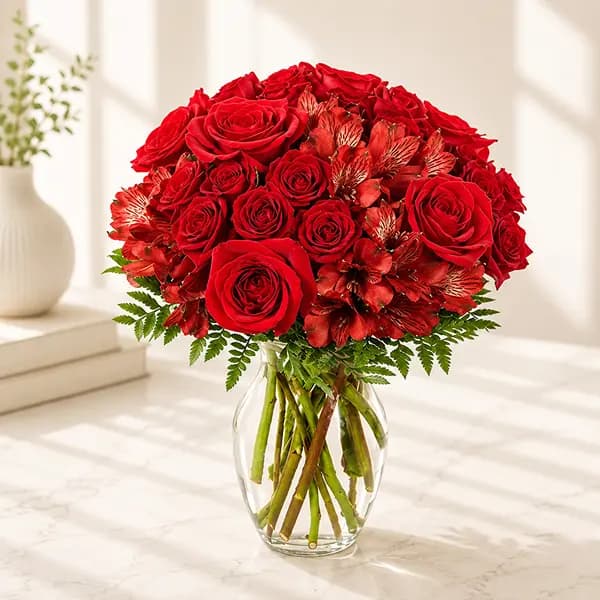
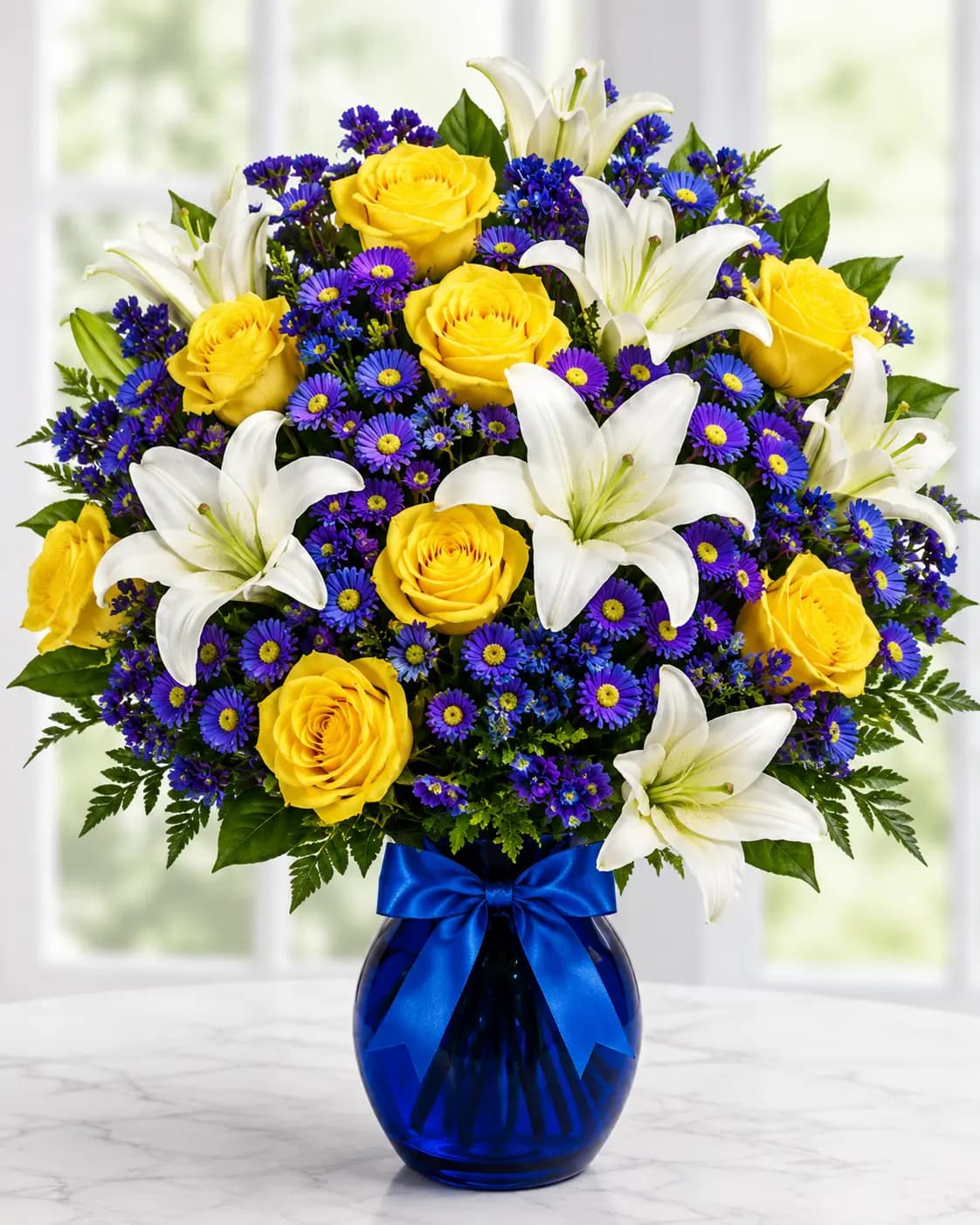
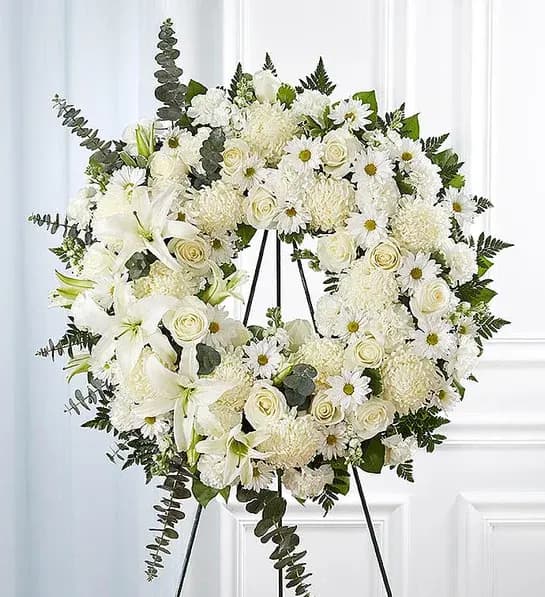
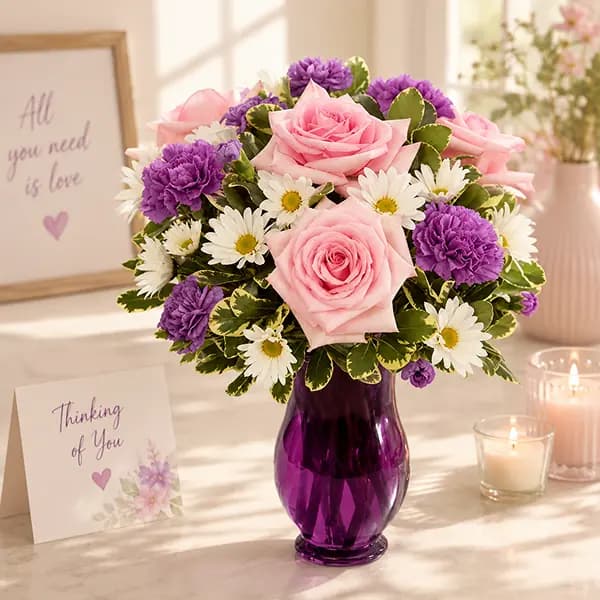
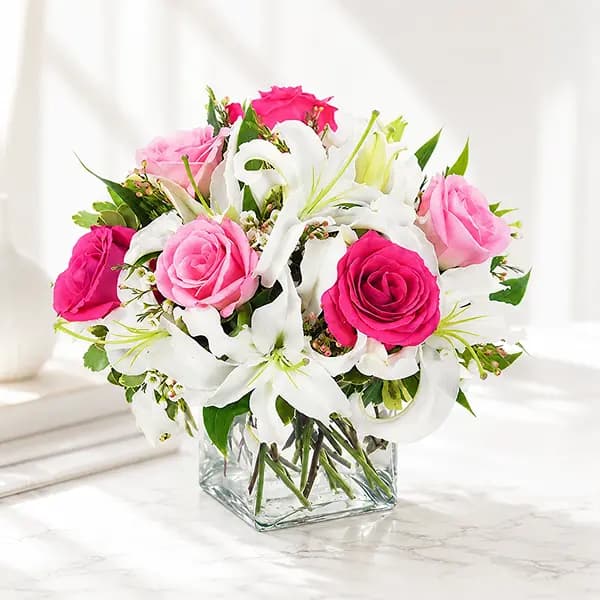
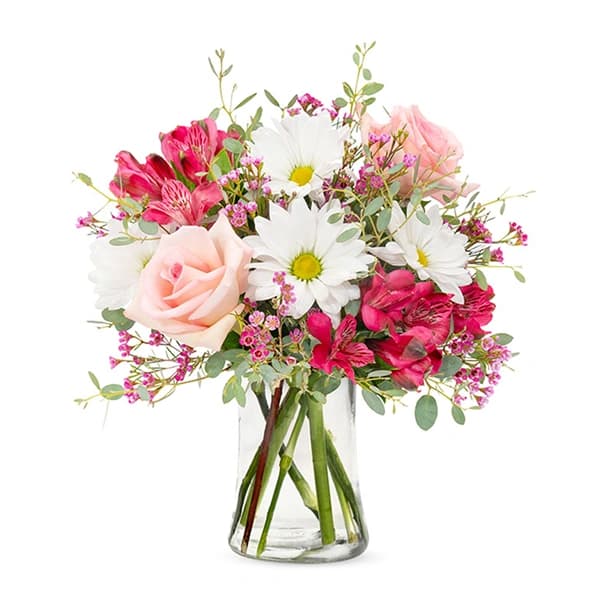
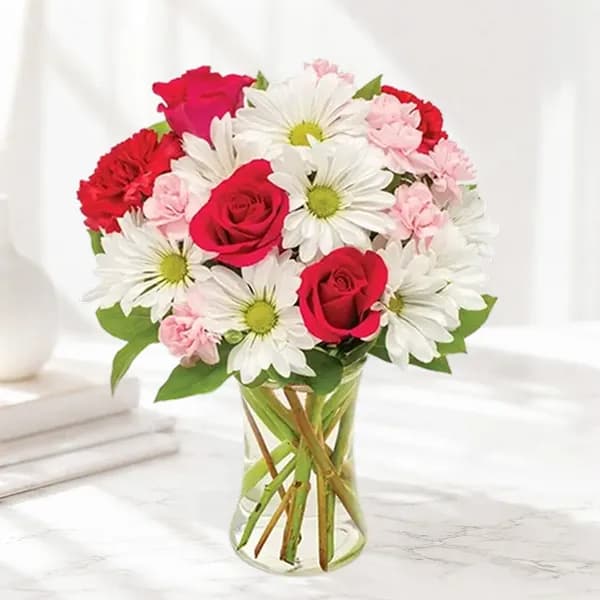
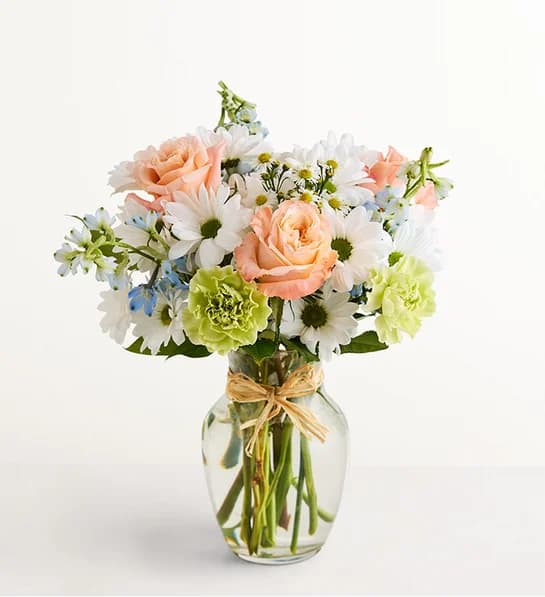
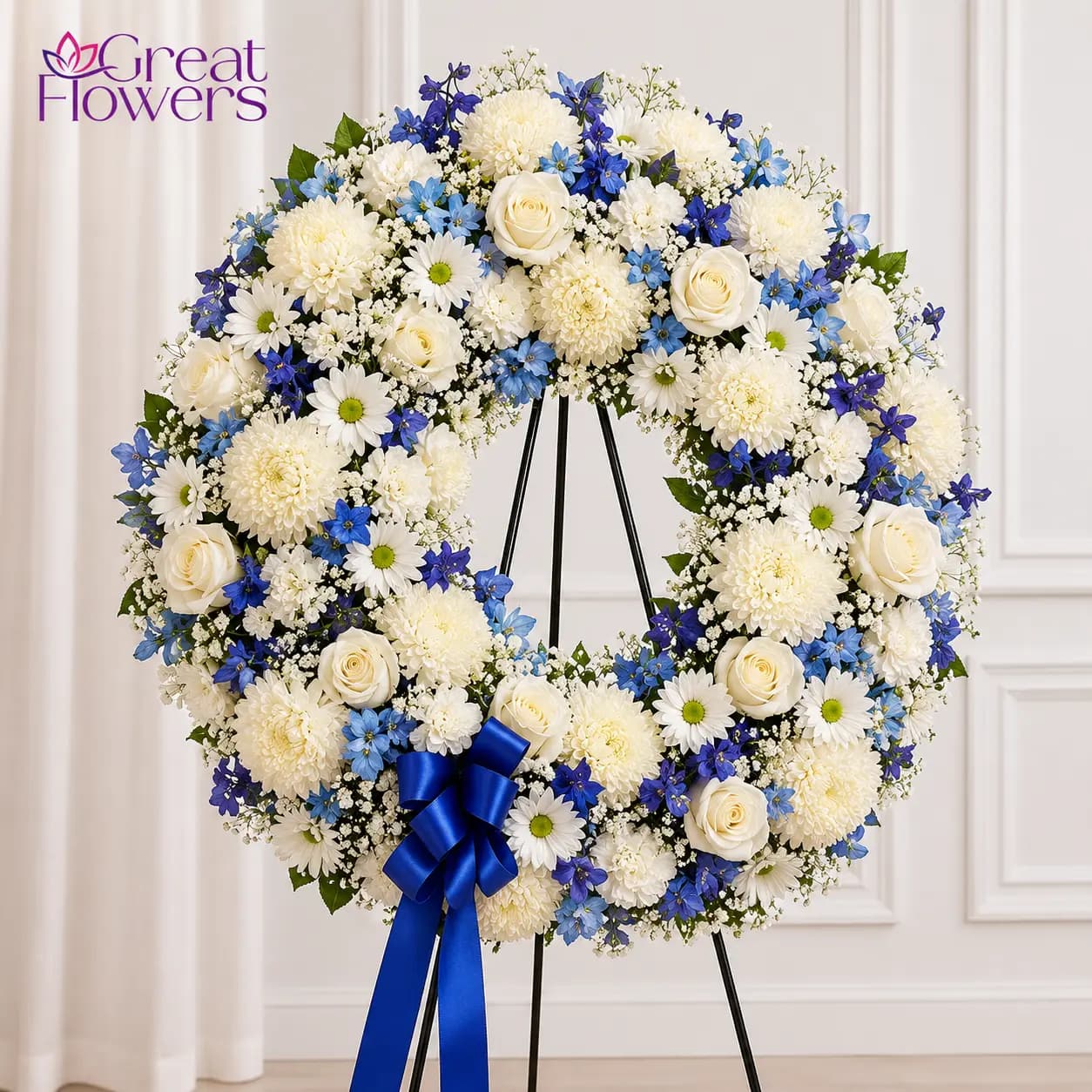
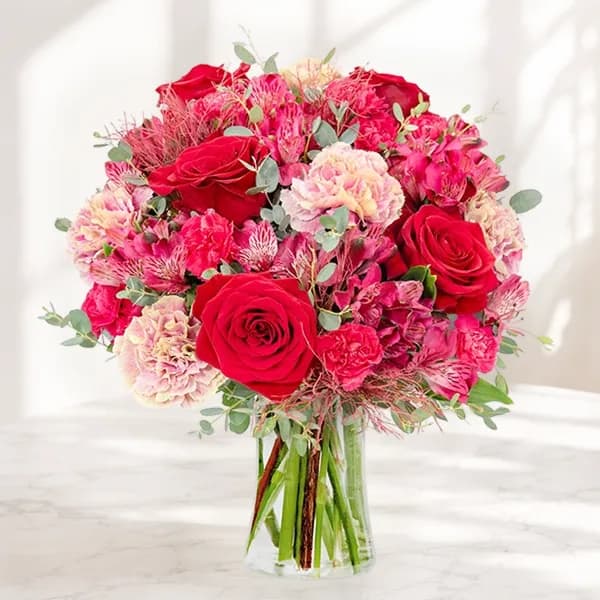
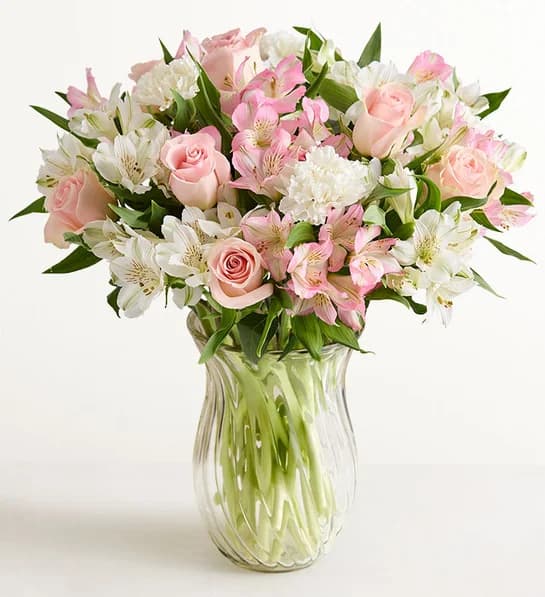
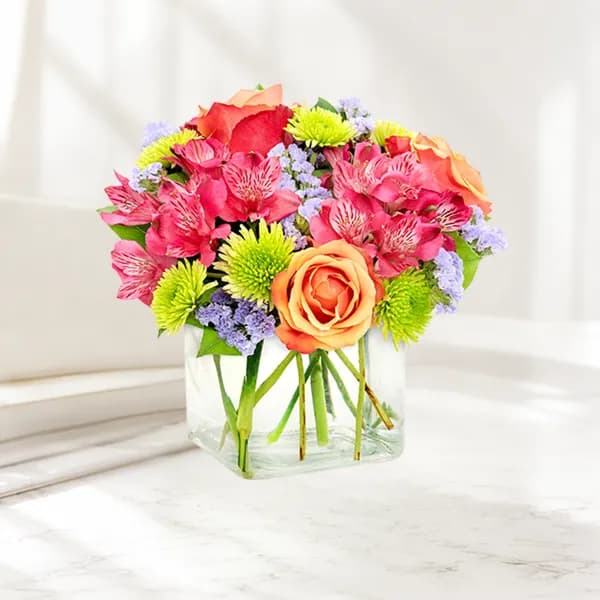
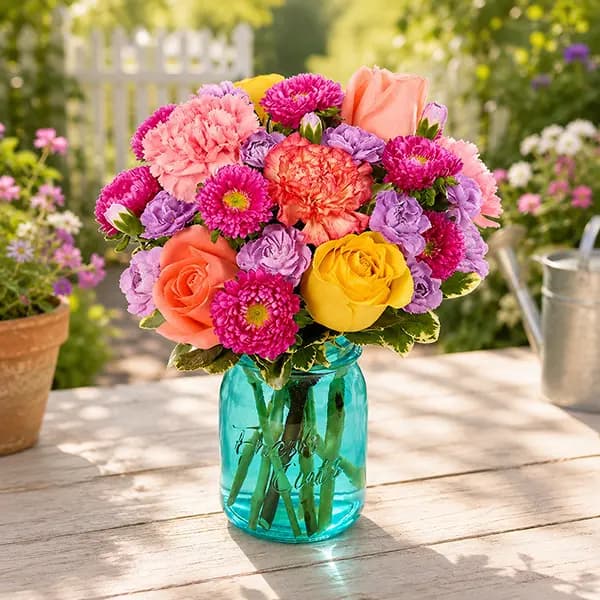
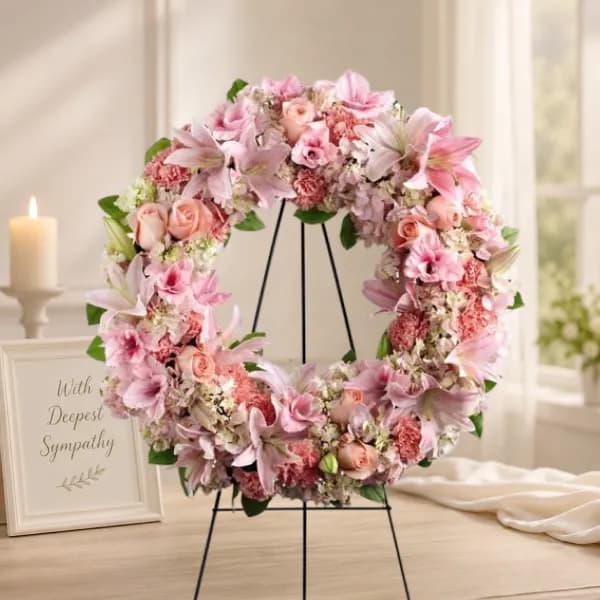
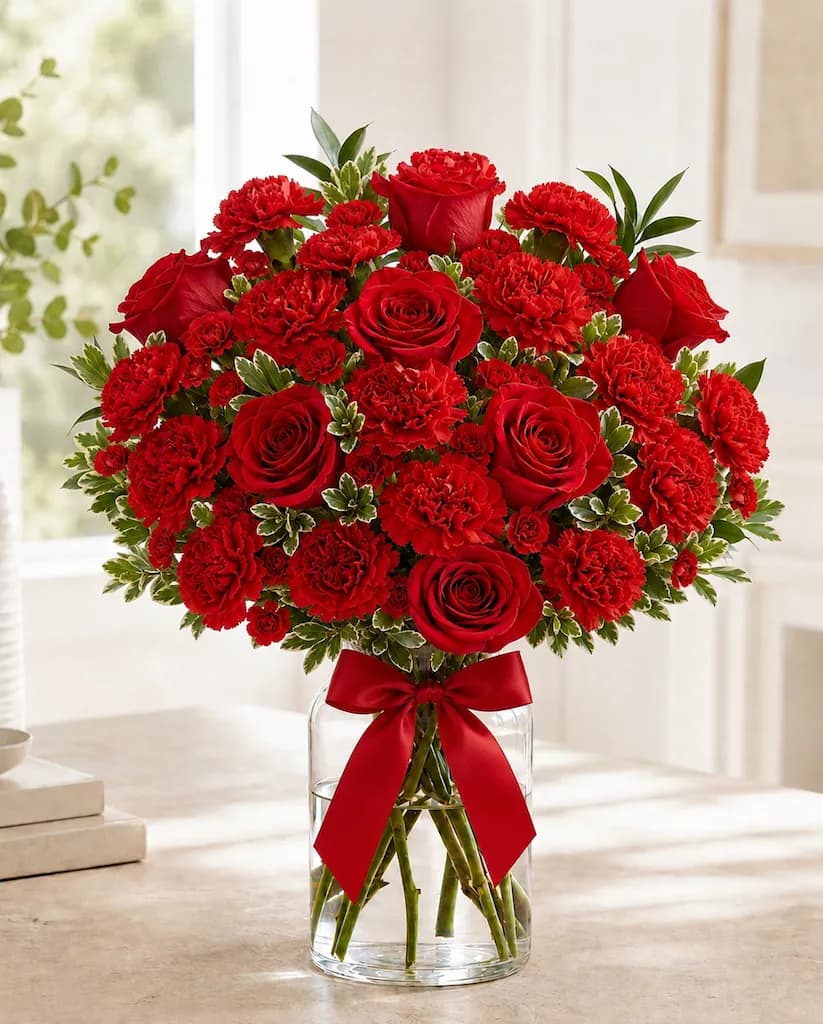
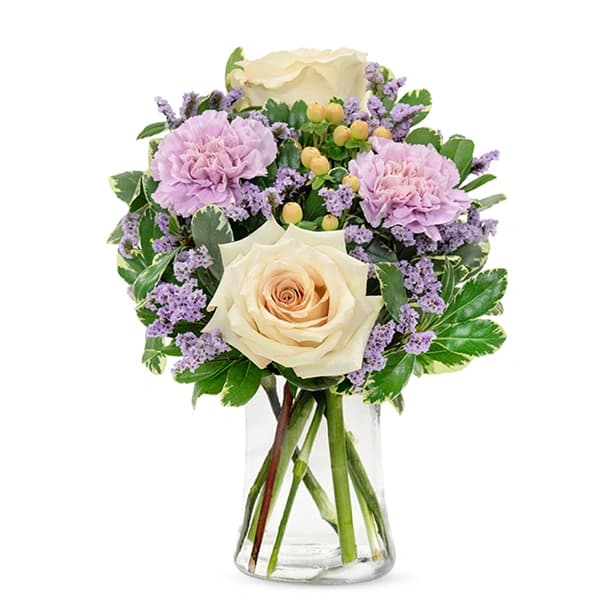
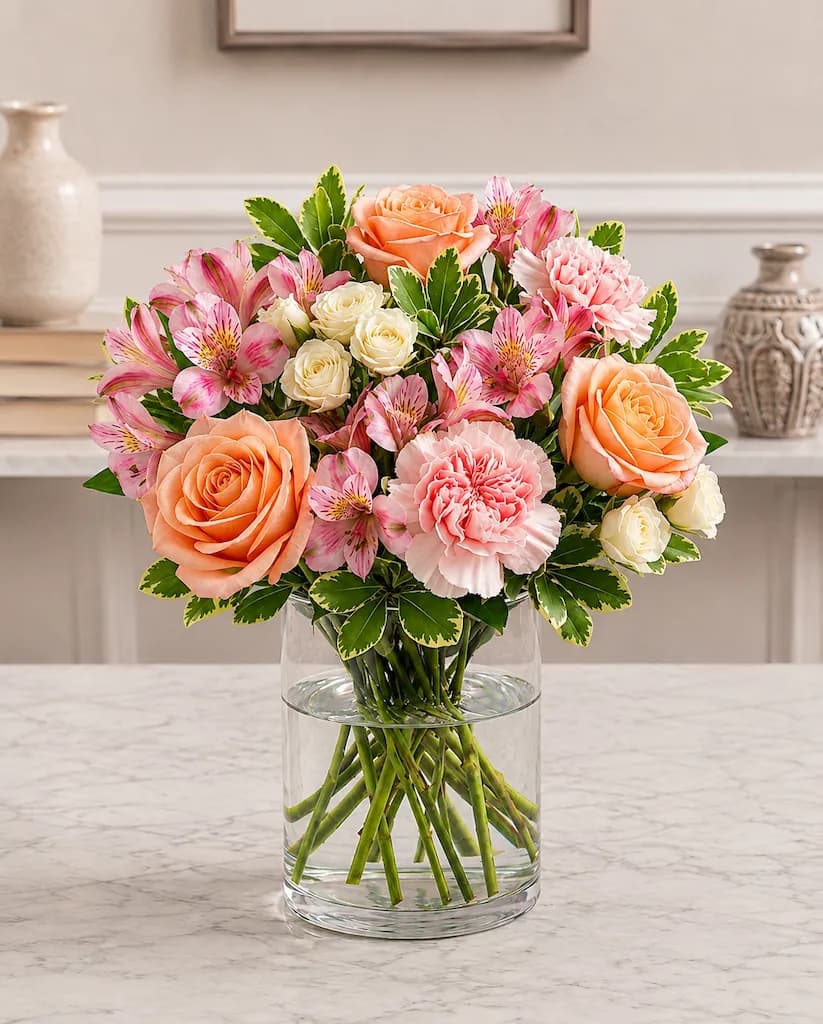
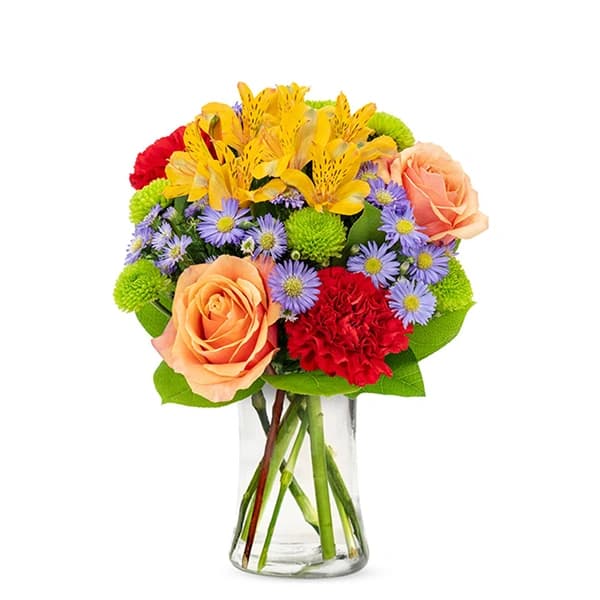
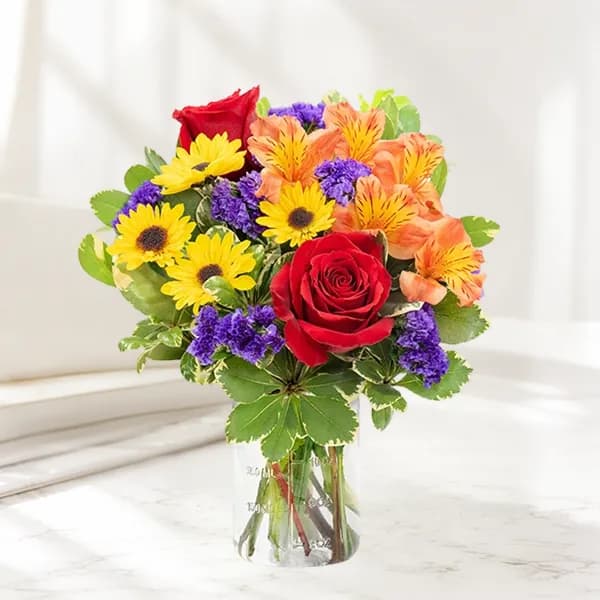
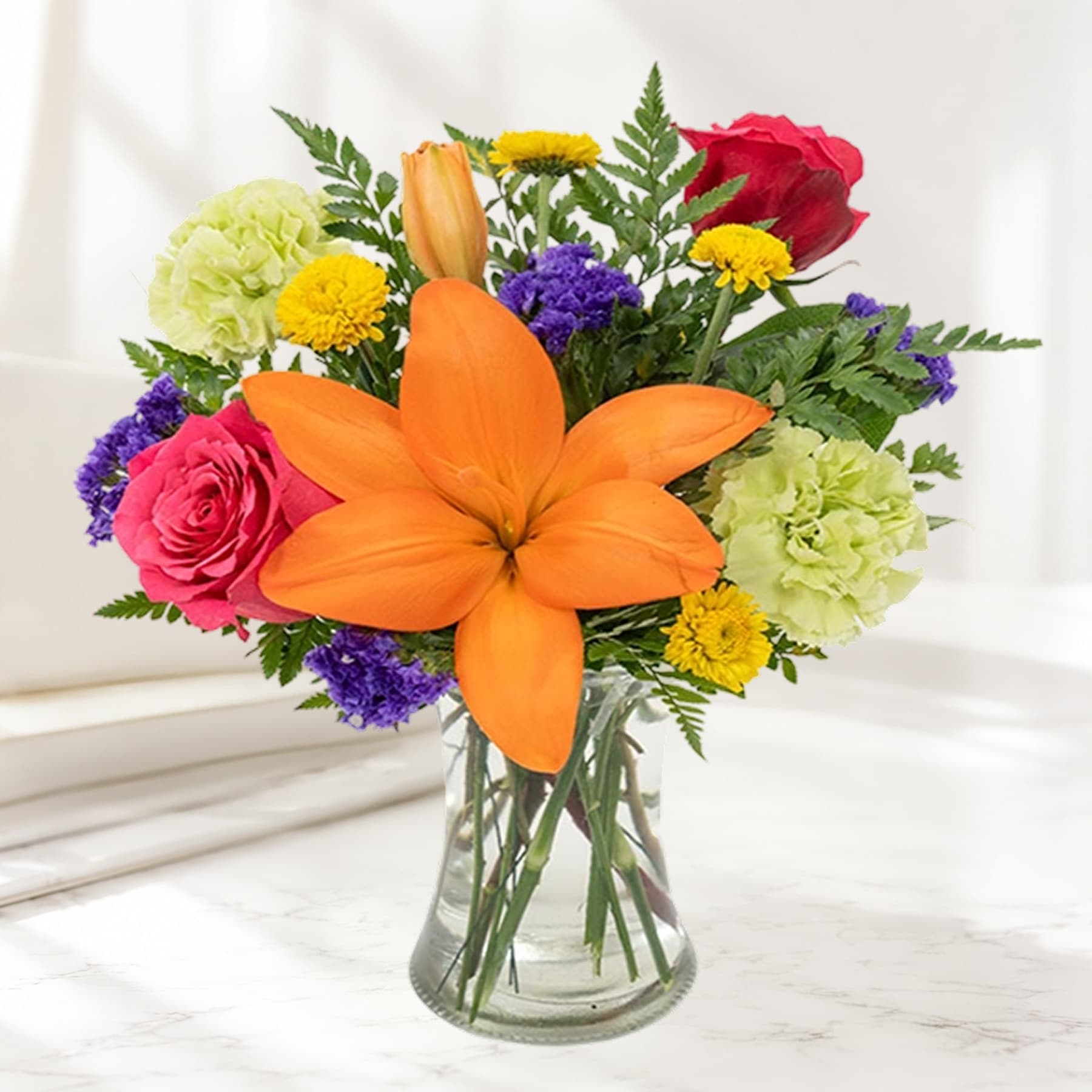
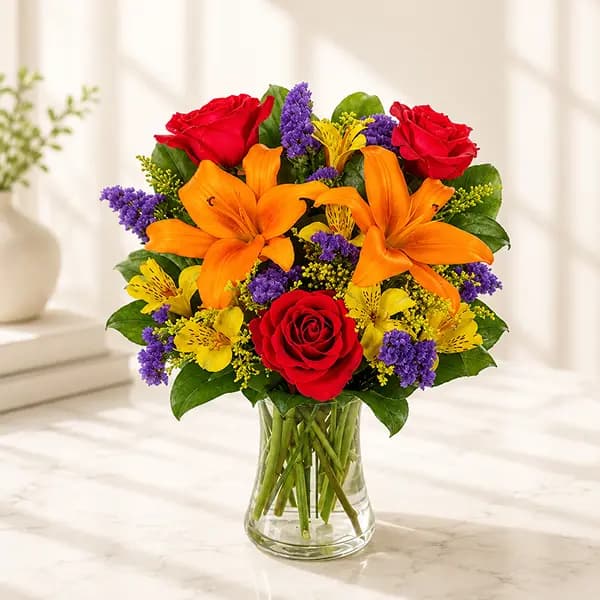
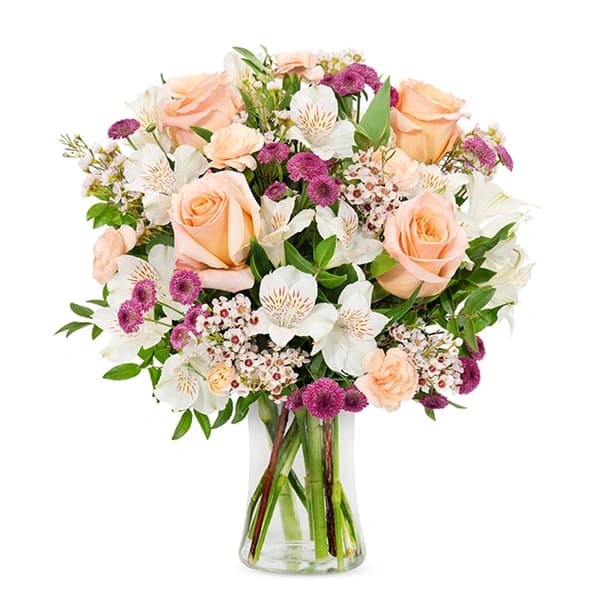
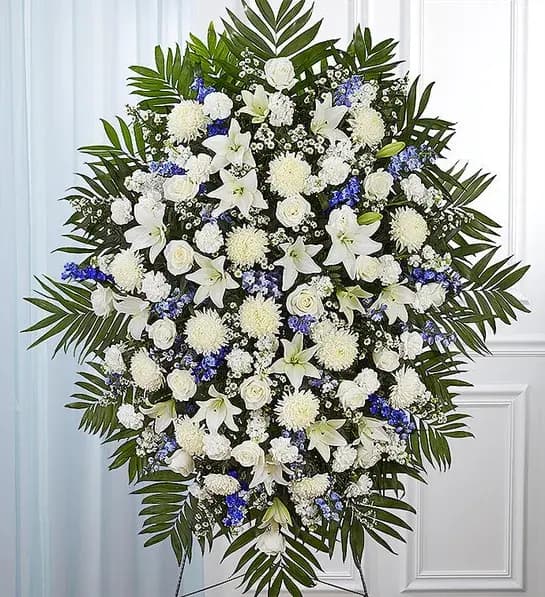
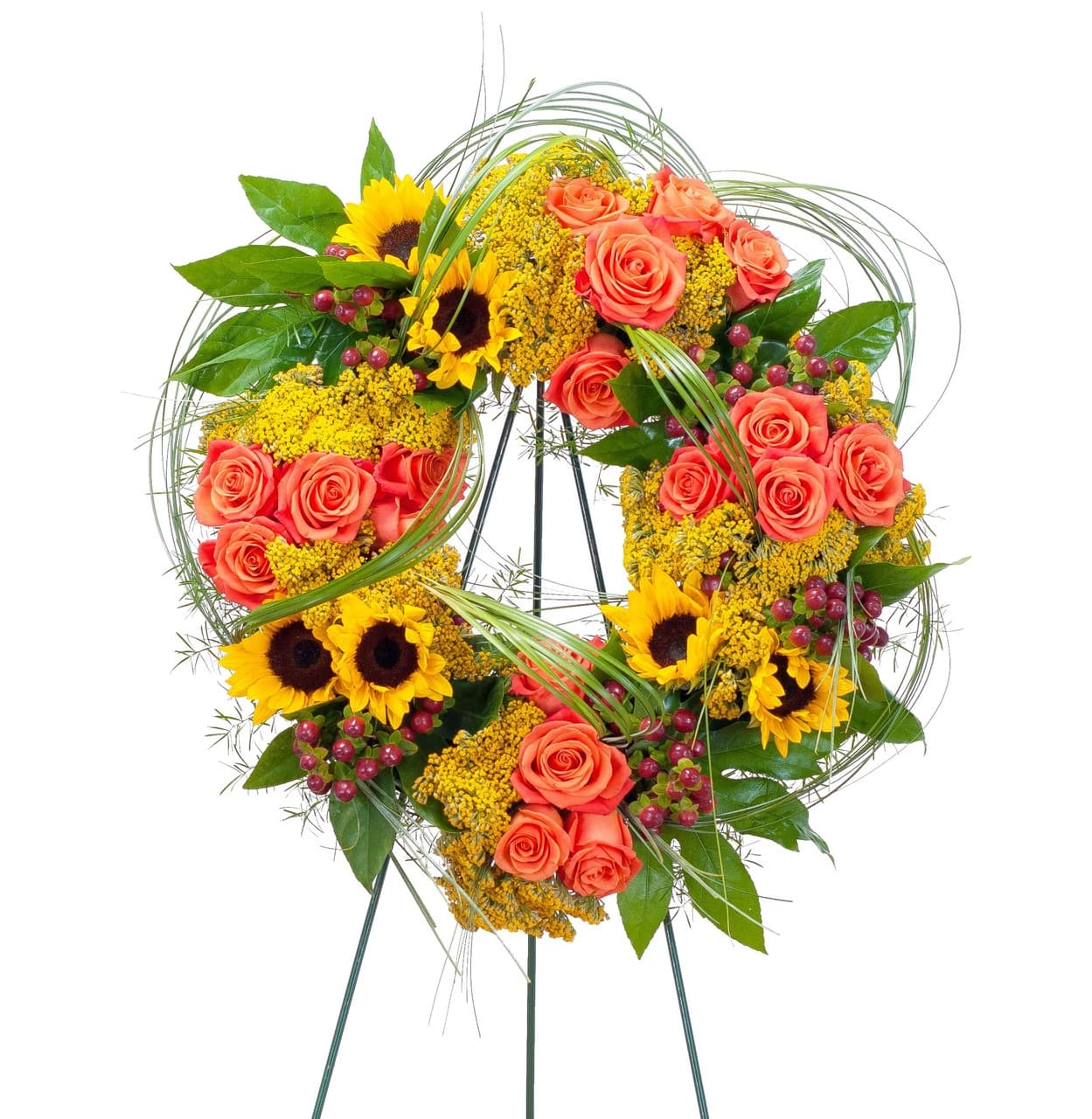
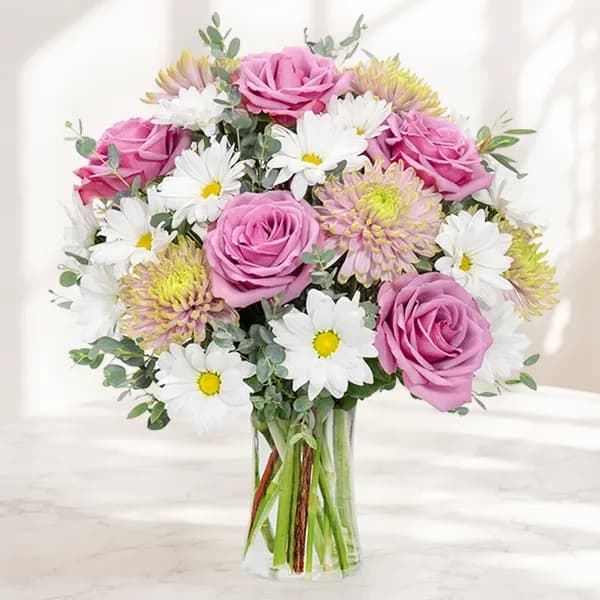
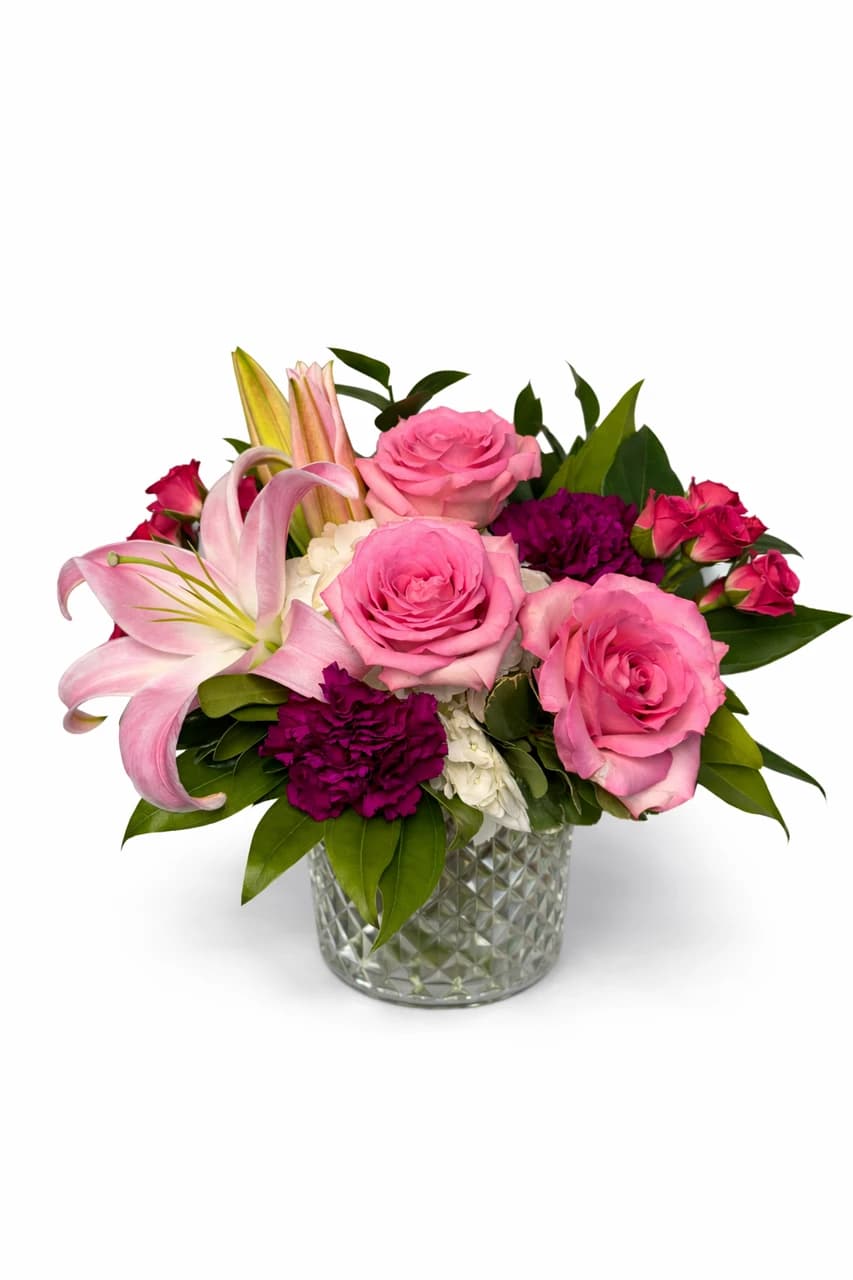
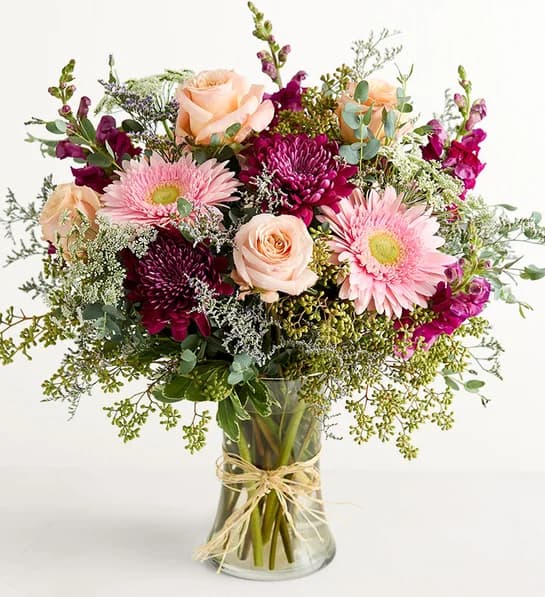
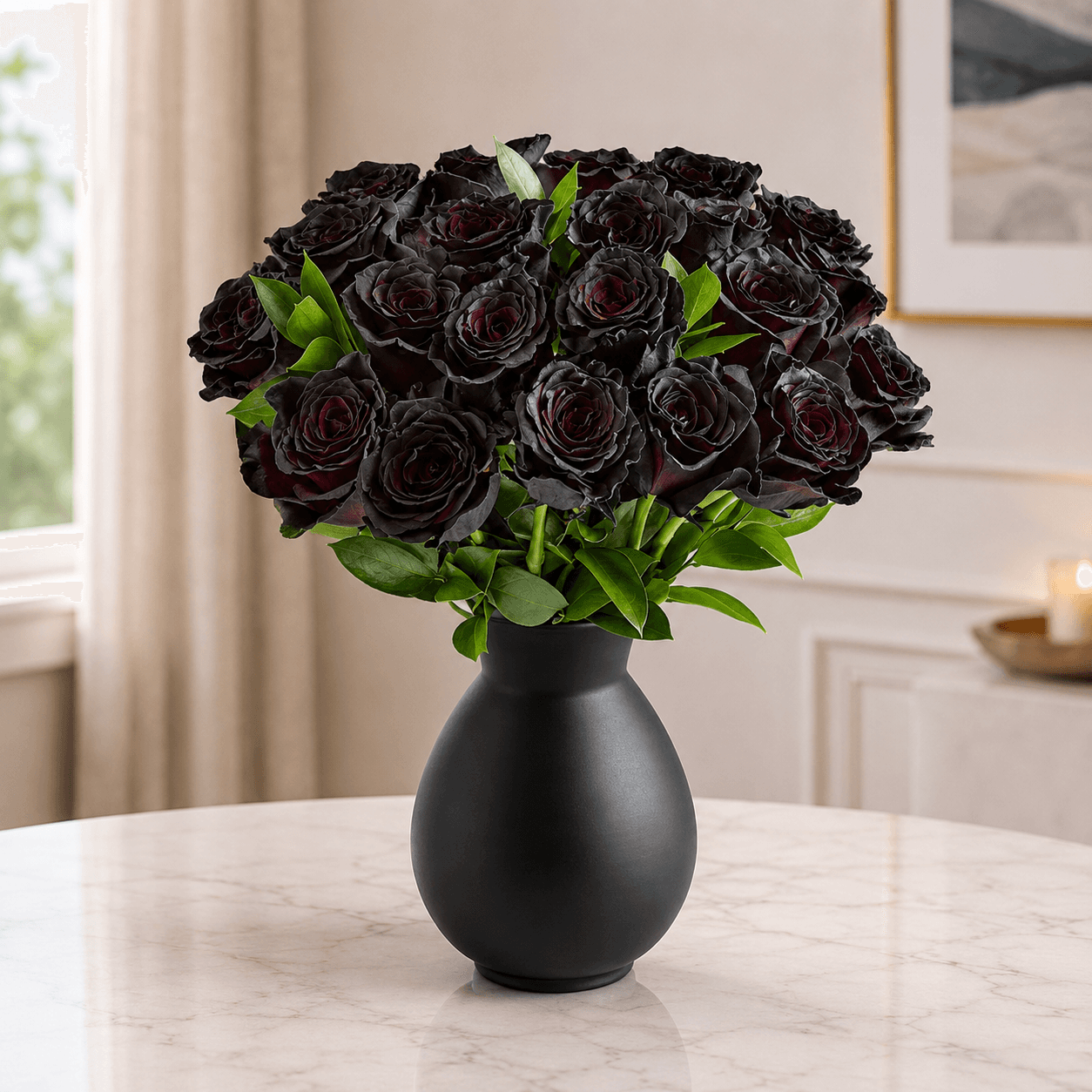
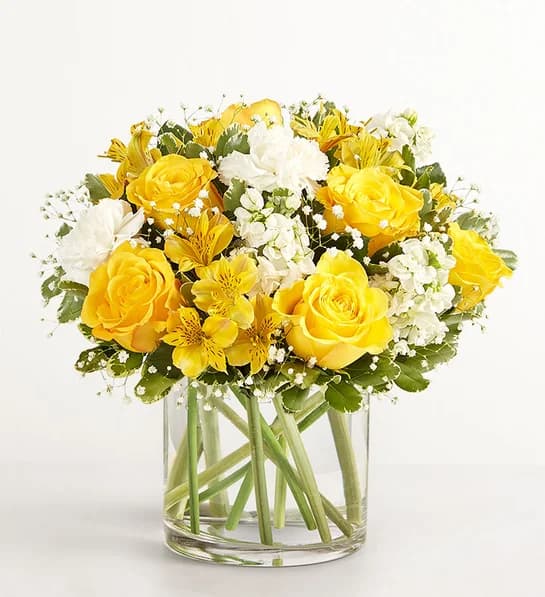
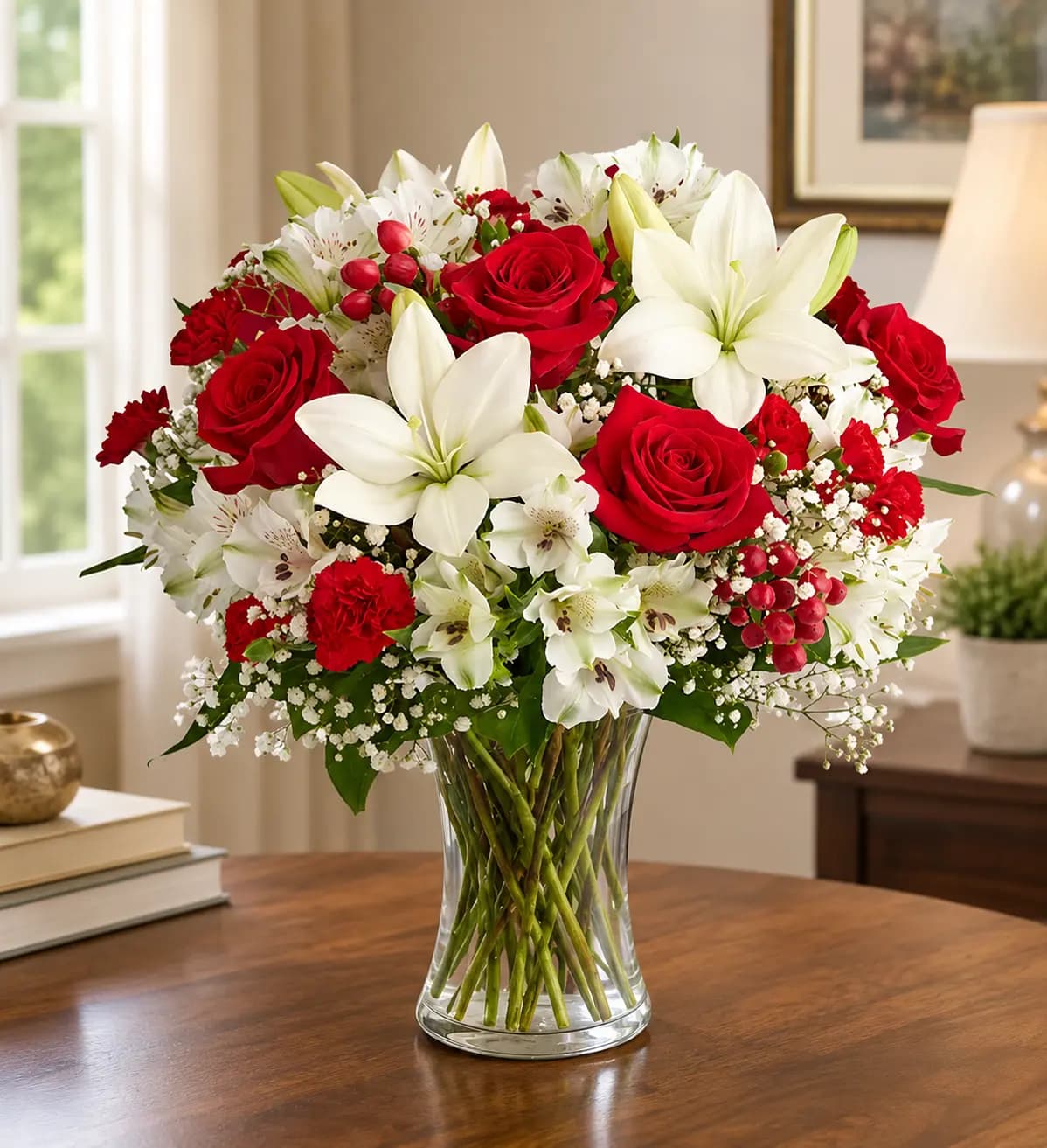
Florists use cut flowers to create bouquets, centerpieces, wreaths, and other floral arrangements.
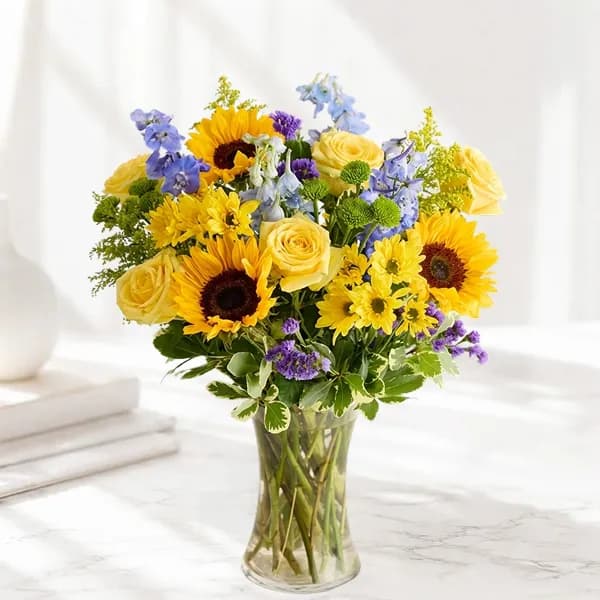
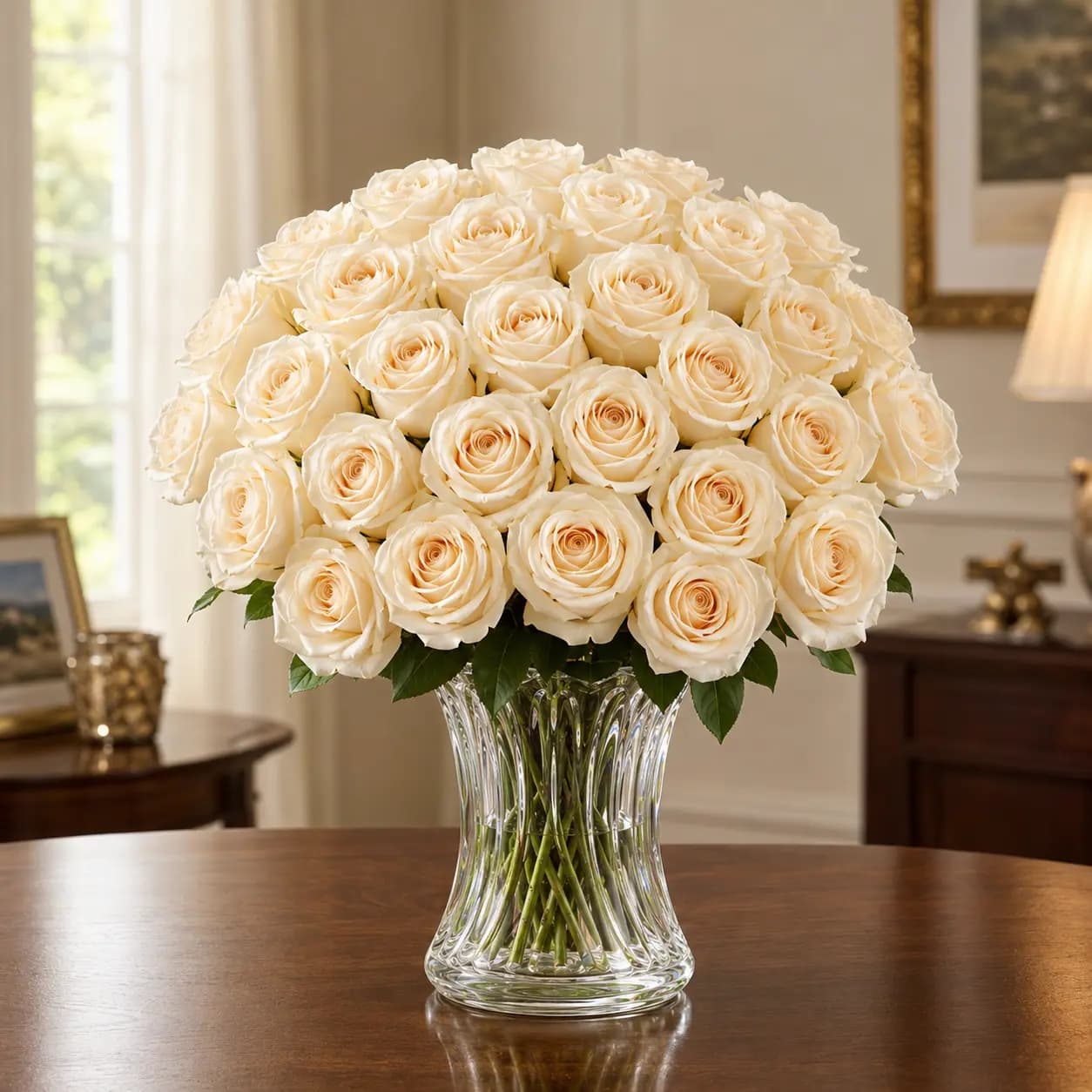
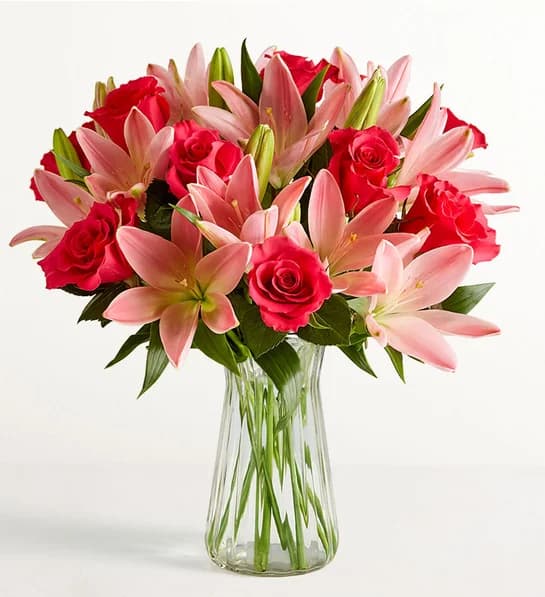
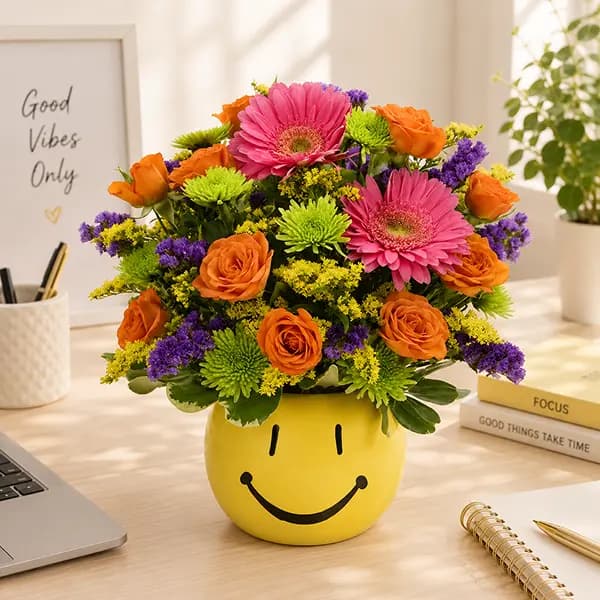
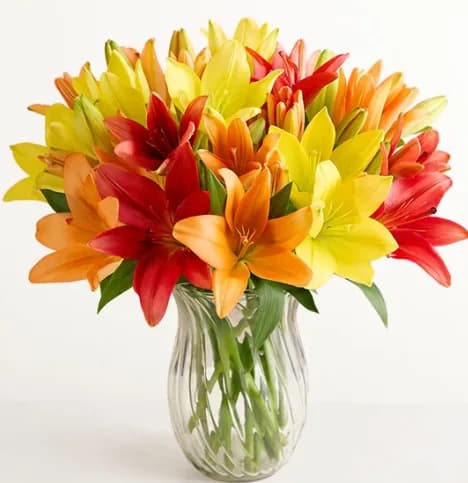
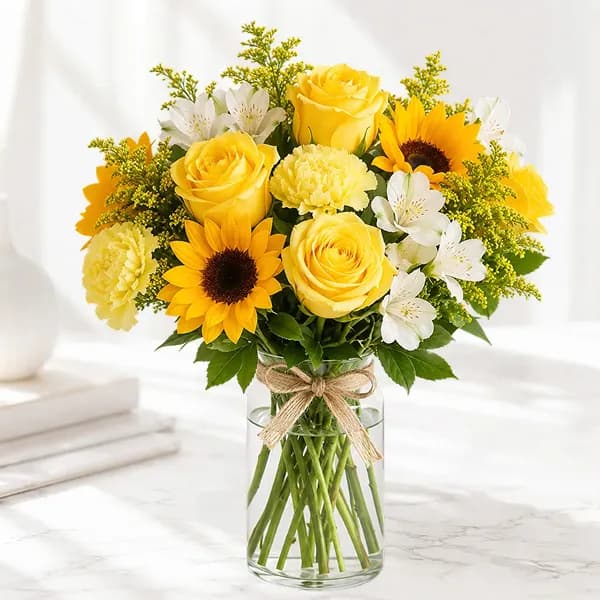
Common cut flowers include roses, lilies, carnations, chrysanthemums, tulips, gerberas, and sunflowers.
Proper handling after harvesting can help maintain flower quality and extend vase life. Techniques can include clean cutting tools, suitable water, appropriate storage temperatures, and removing damaged plant material.
Flowers as Gifts
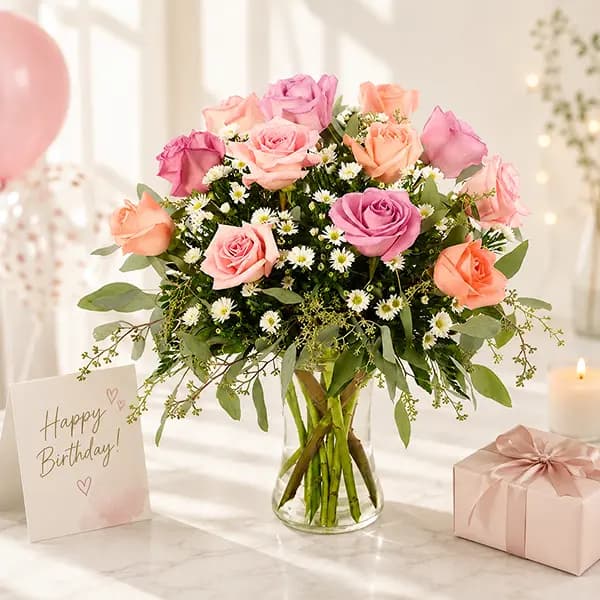
Flowers are commonly given as gifts for personal, social, and cultural occasions.
Common occasions for giving flowers include:
- Birthdays
- Anniversaries
- Weddings
- Valentine's Day
- Mother's Day
- Graduations
- Congratulations
- Get-well wishes
- Sympathy and condolences
- Thank-you gifts
- Housewarming celebrations
- Holidays
- Just-because occasions
The choice of flowers can depend on the recipient's preferences, the occasion, availability, season, and cultural traditions.
Flowers and Symbolism
Flowers have been associated with different meanings and traditions throughout history.
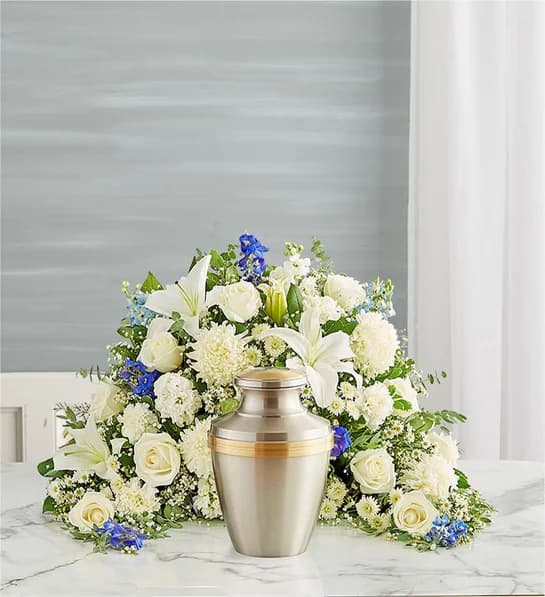
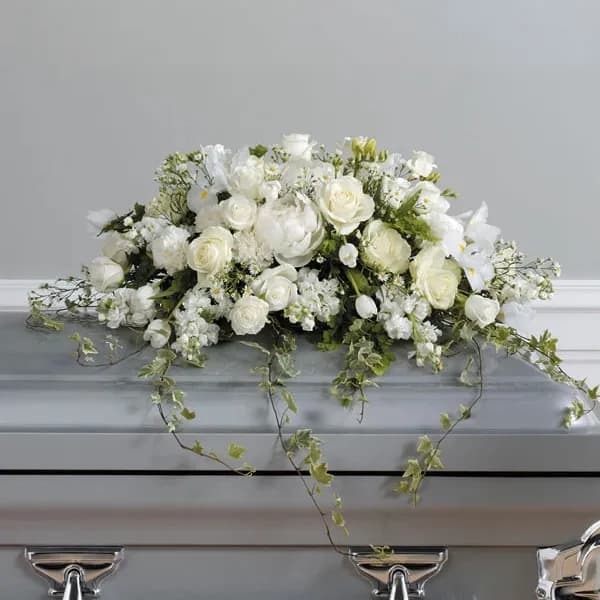
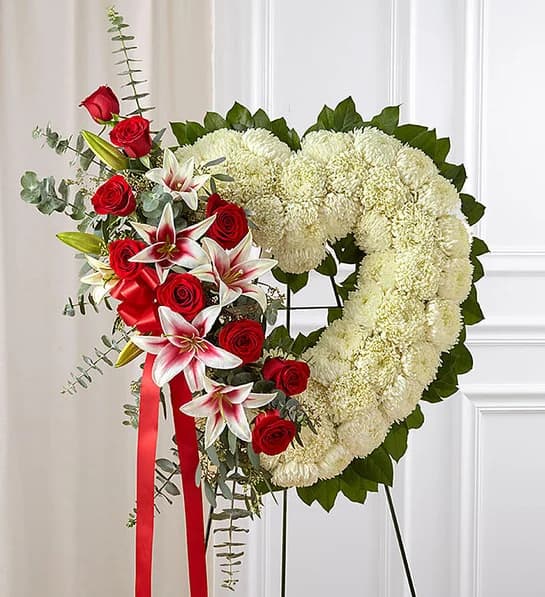
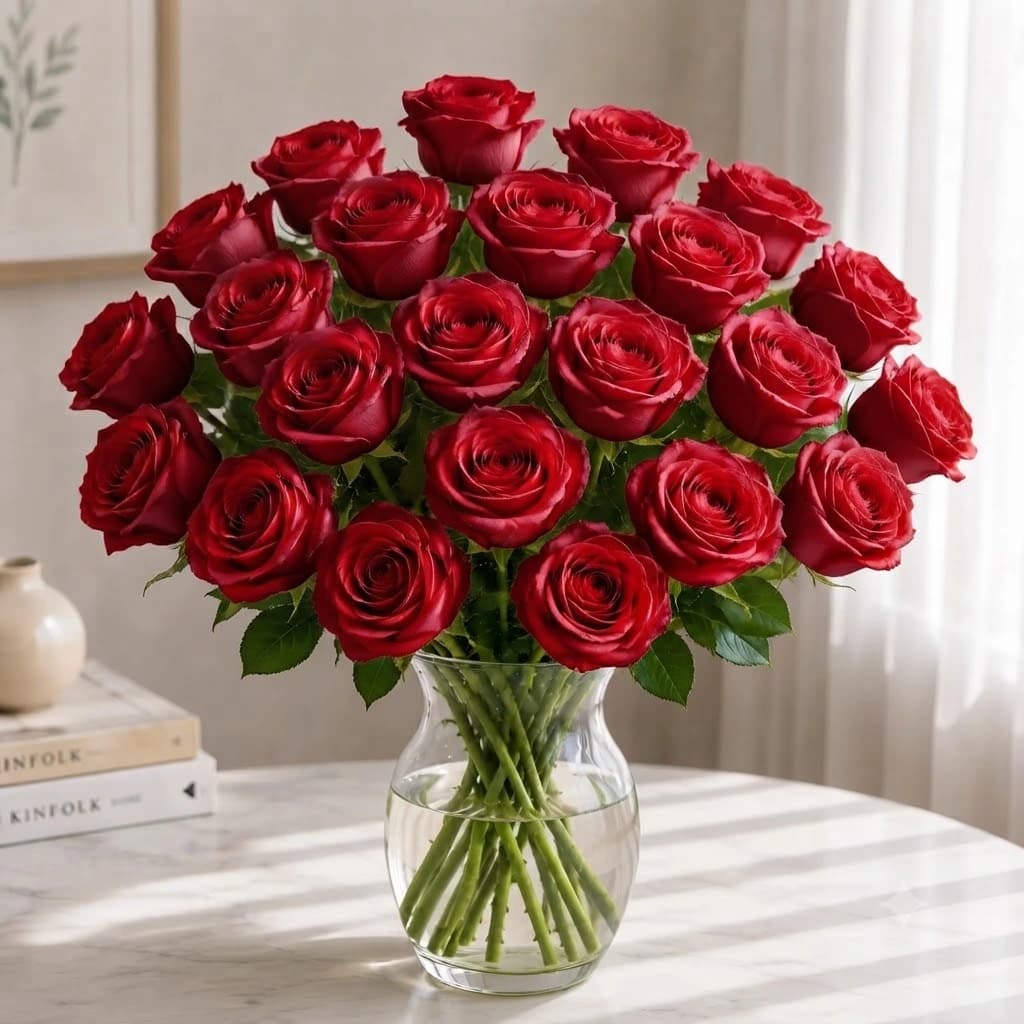
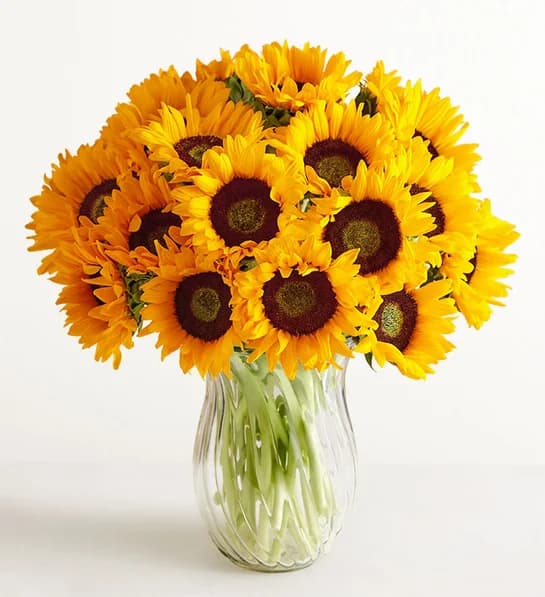
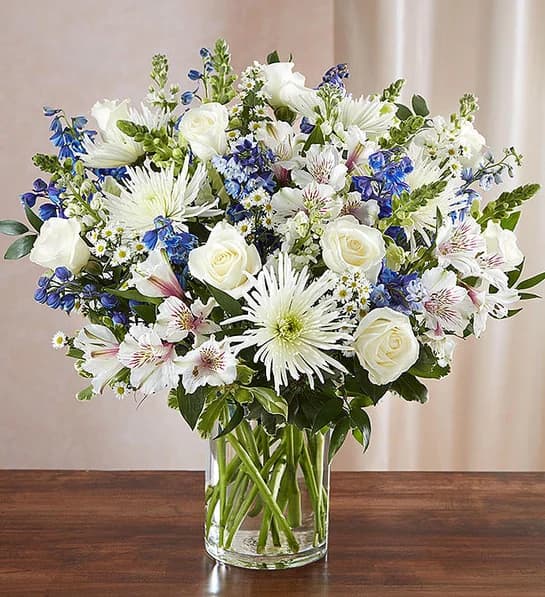
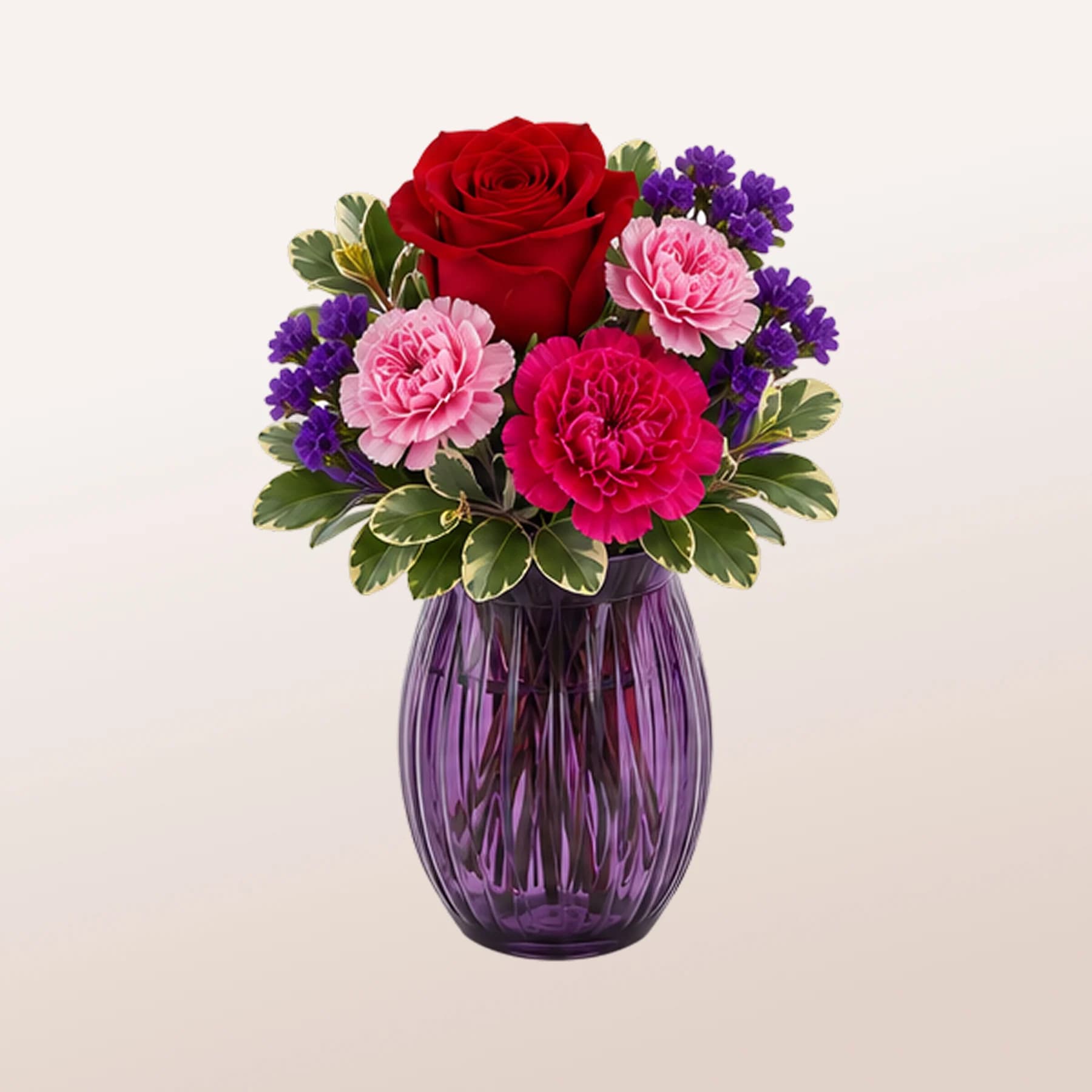
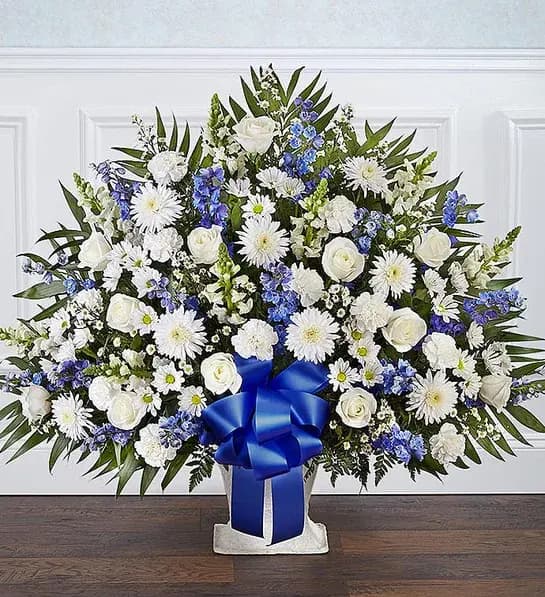
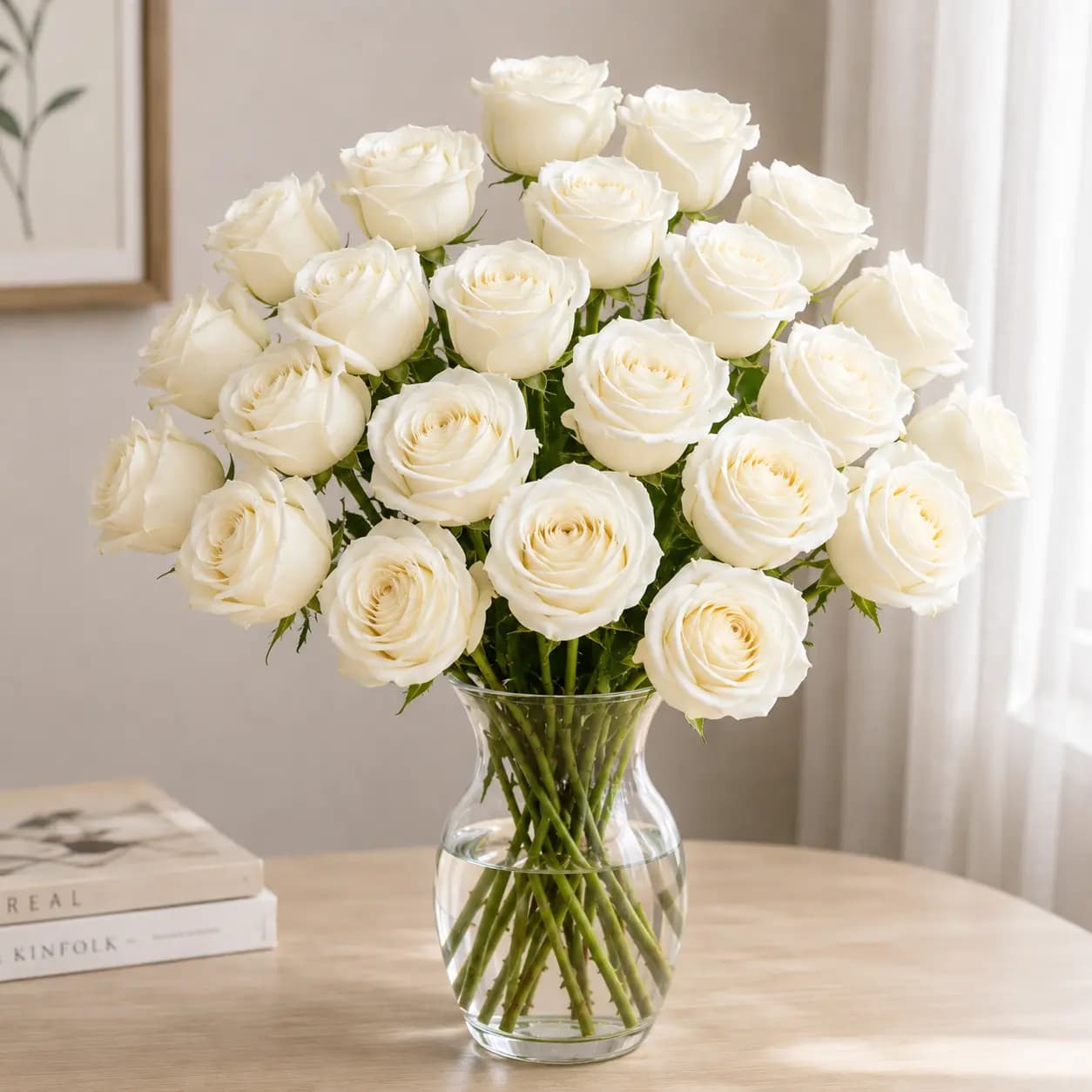
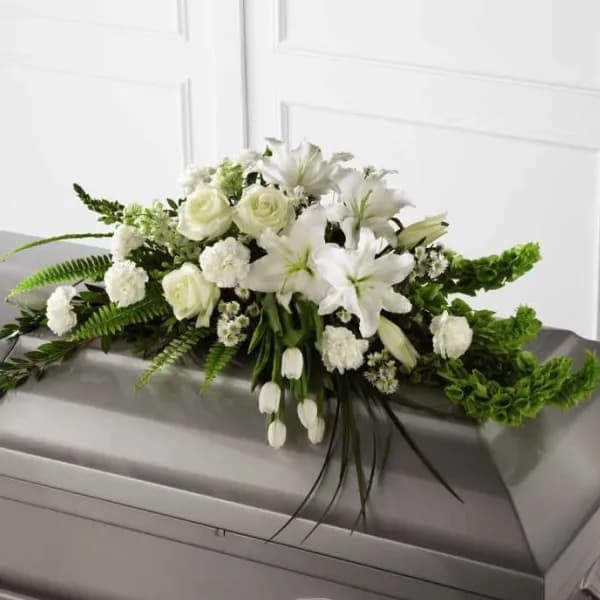
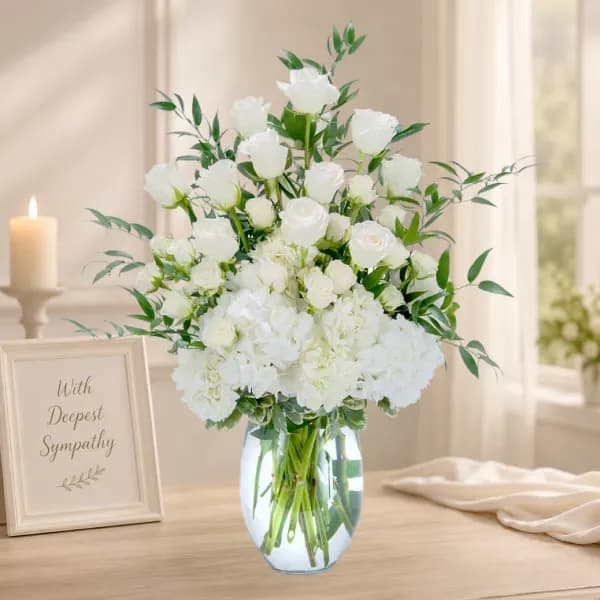
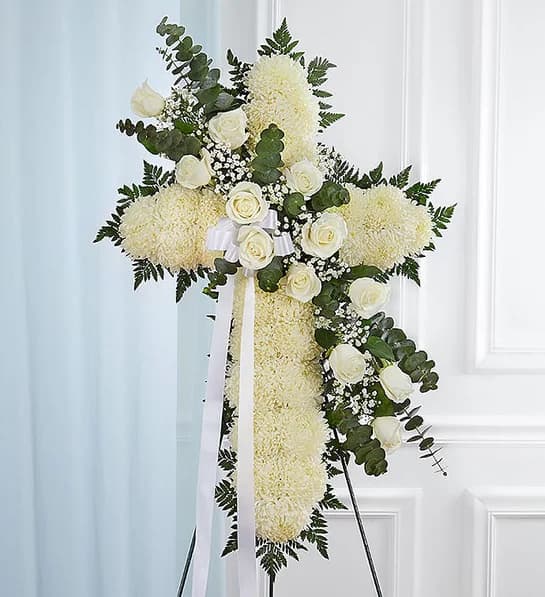
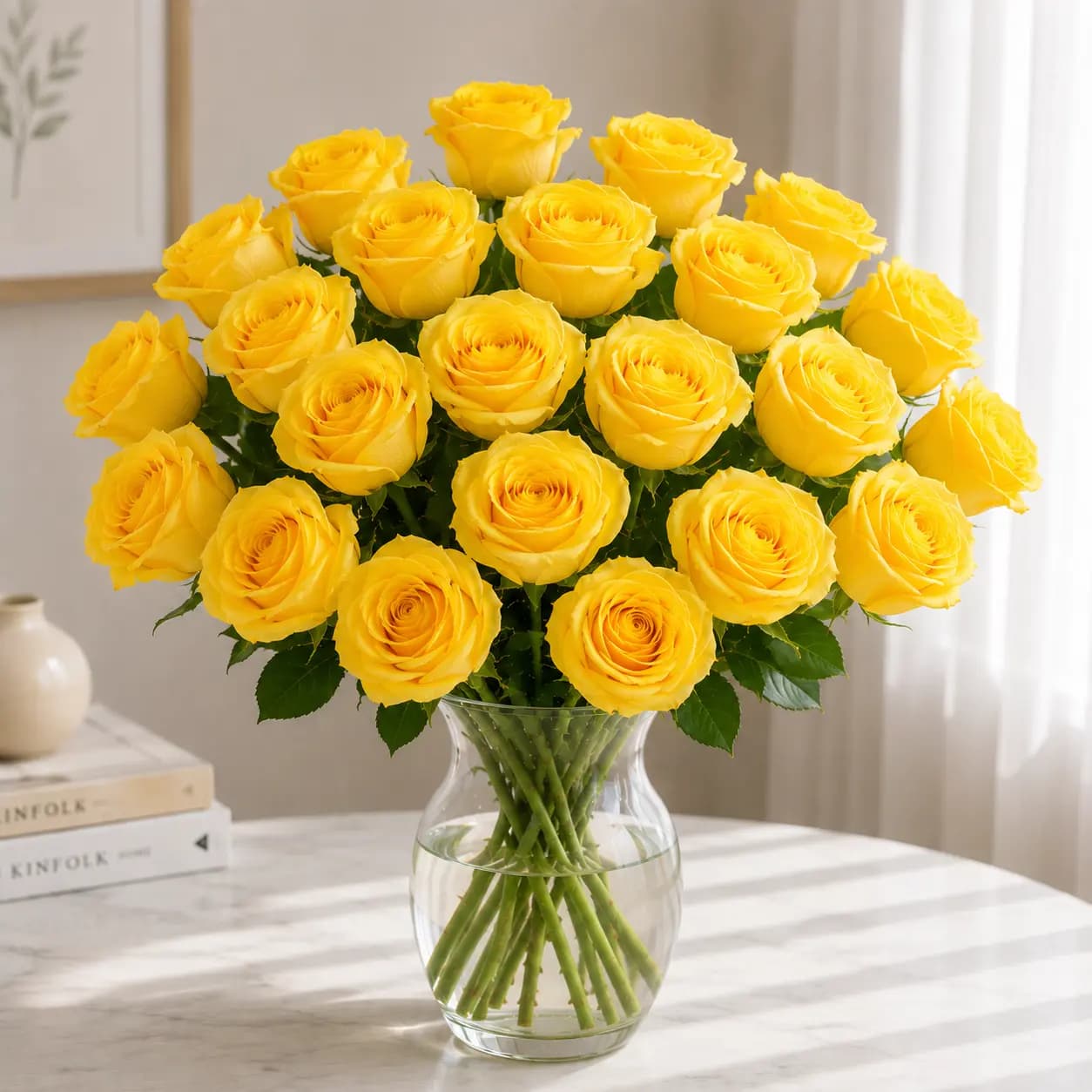
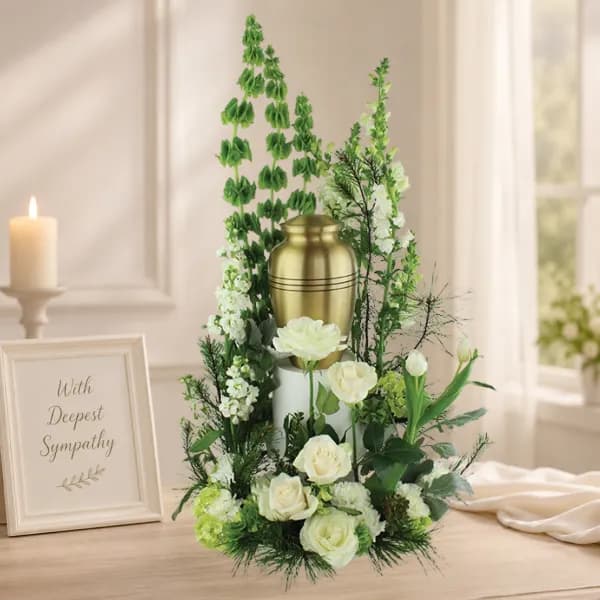
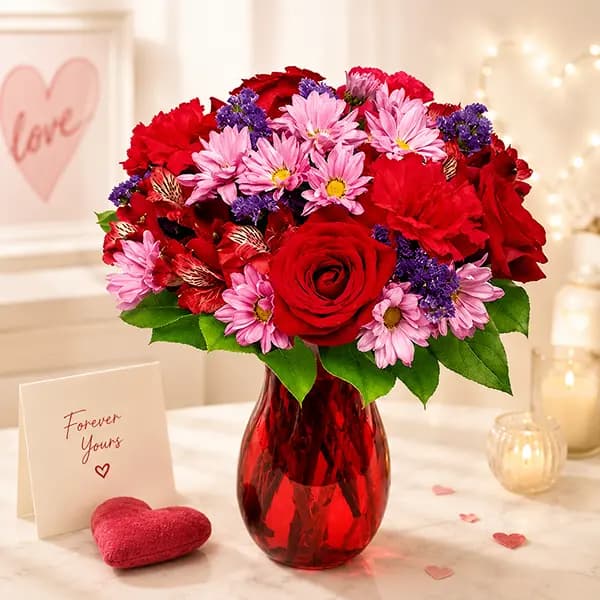
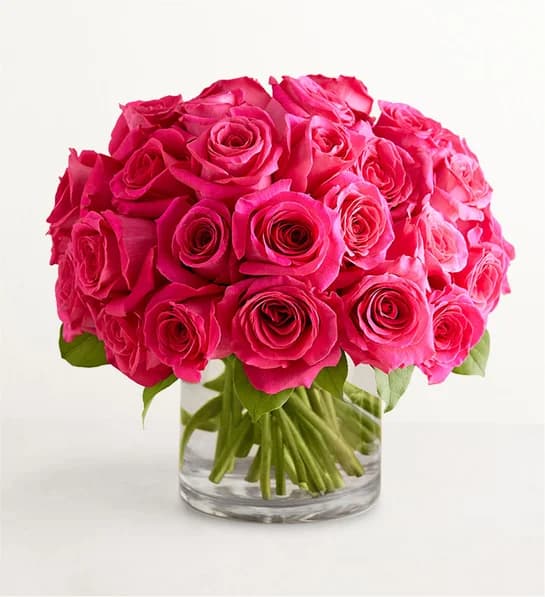
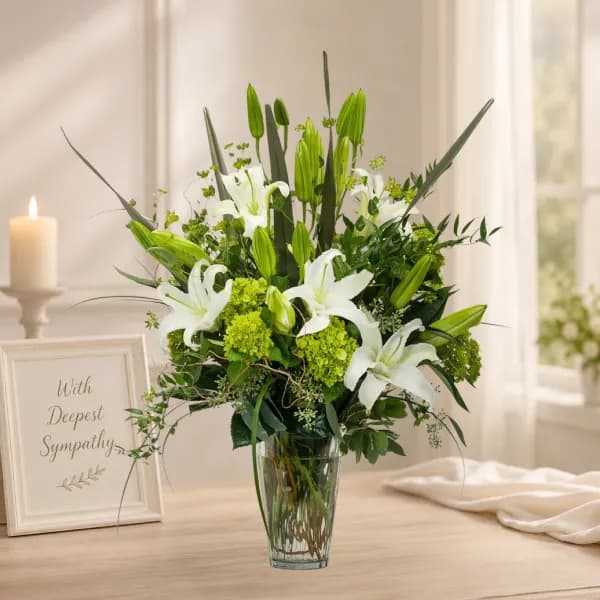
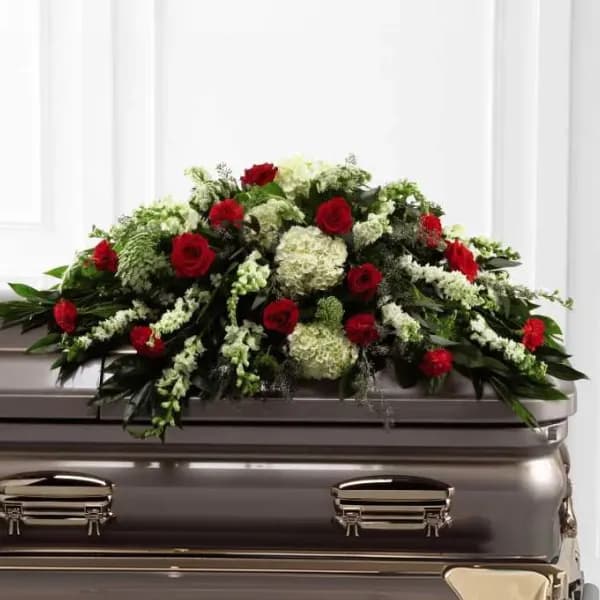
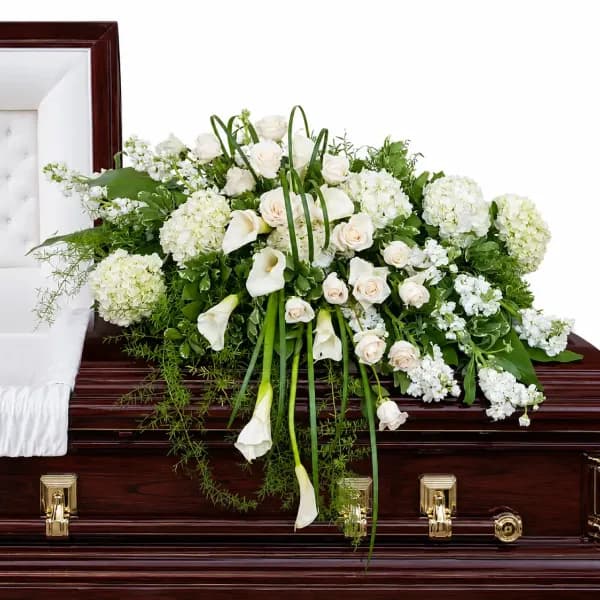
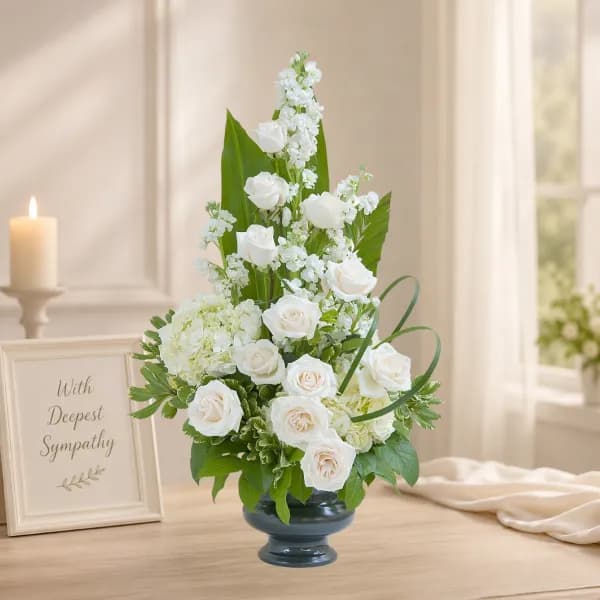
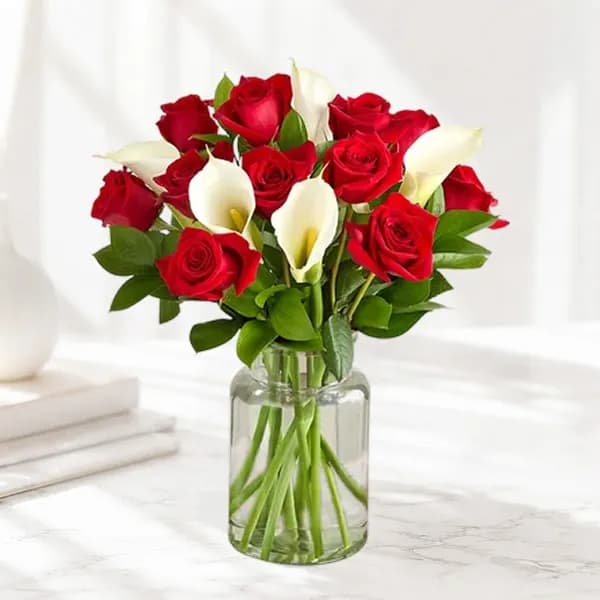
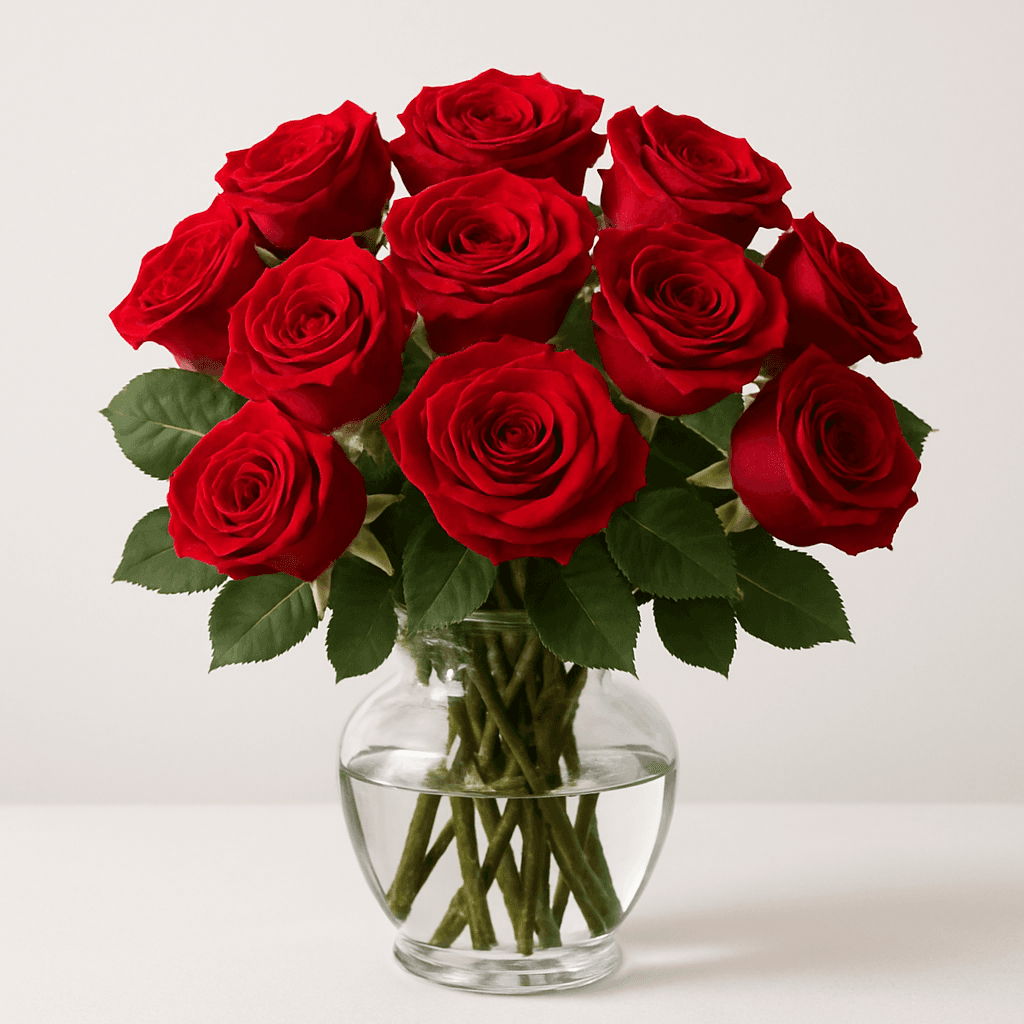
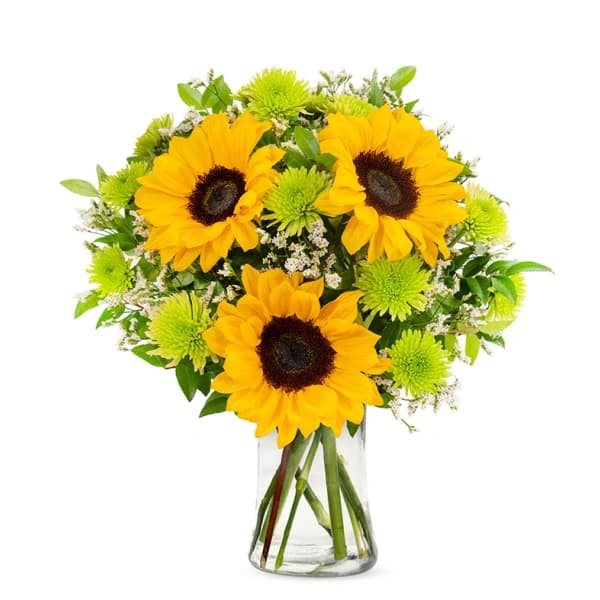
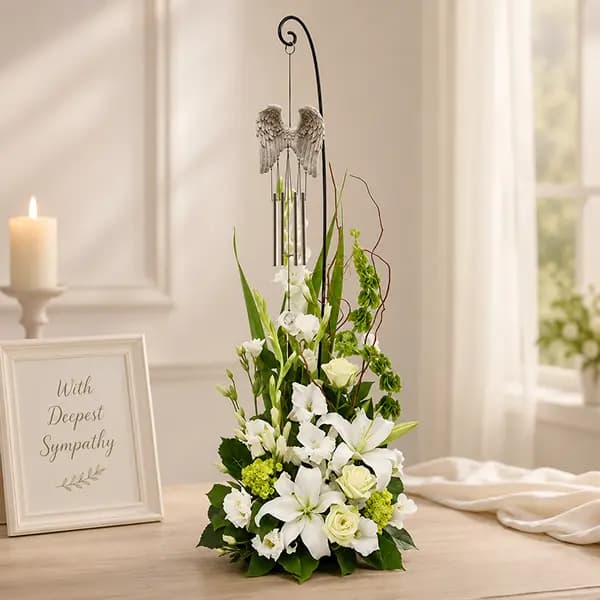
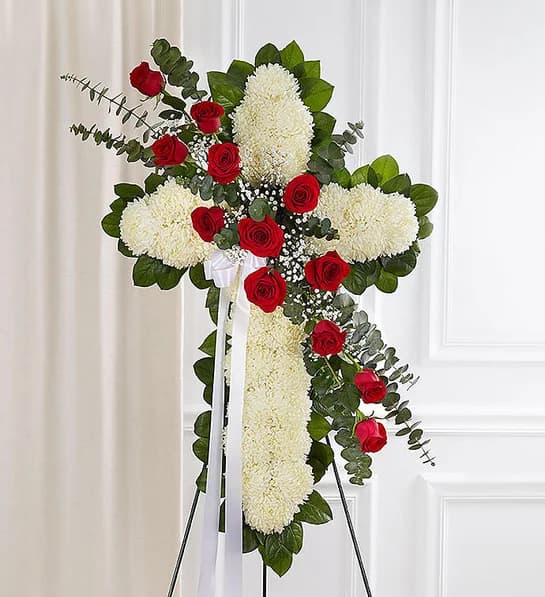
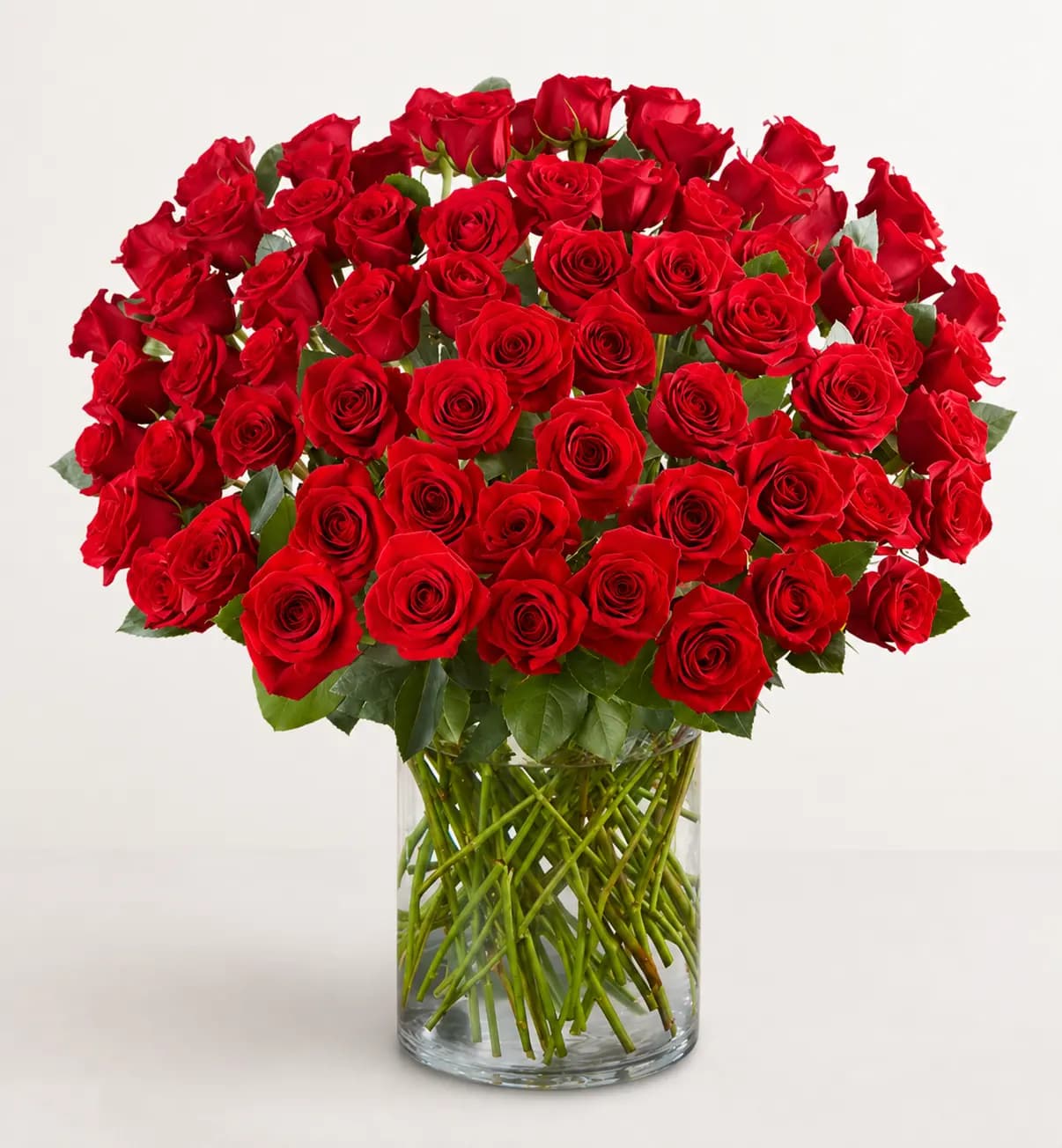
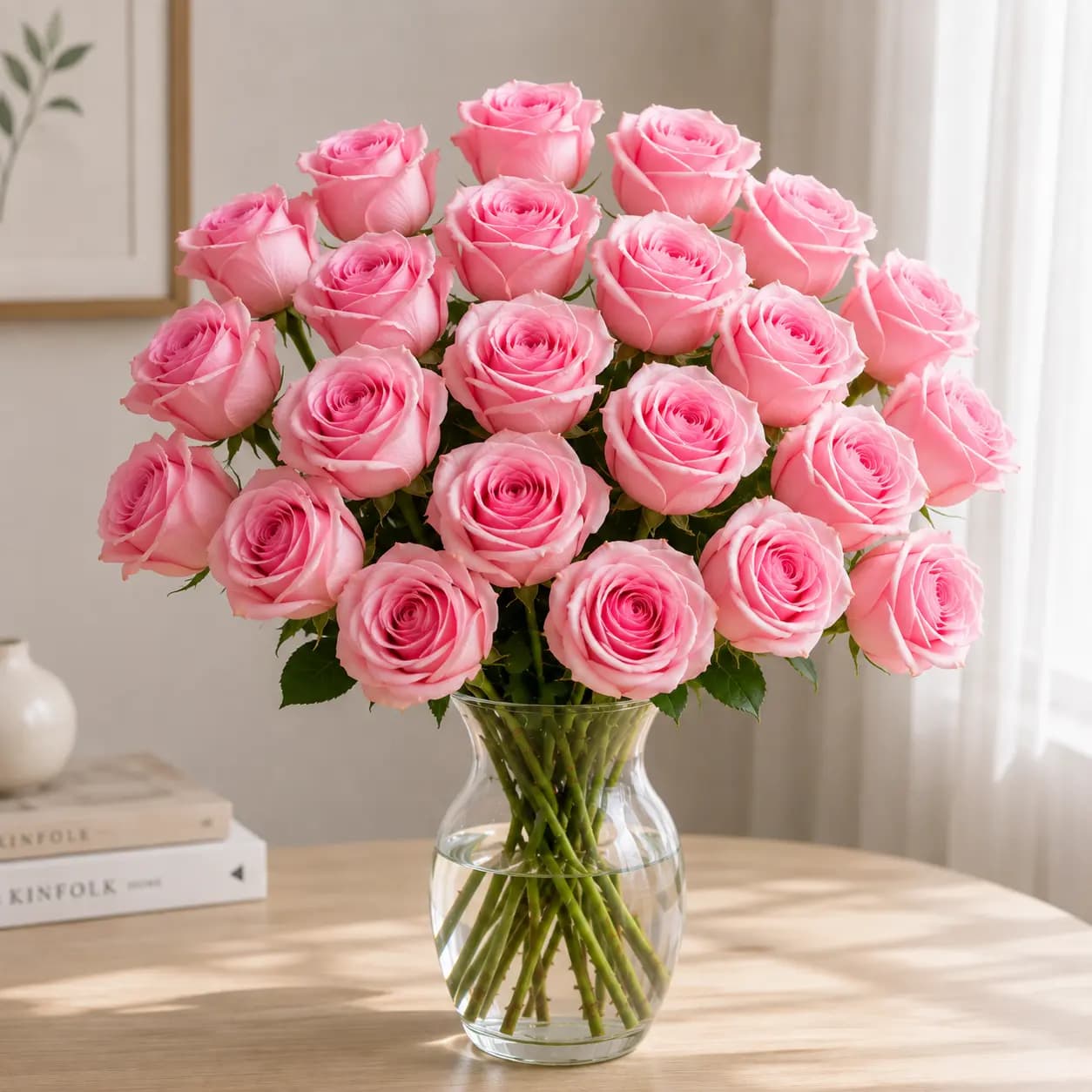
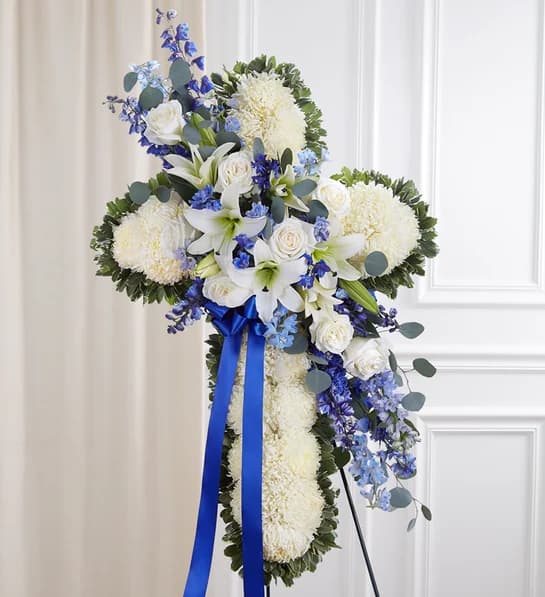
For example, red roses are commonly associated with romantic love, while sunflowers are often associated with cheerfulness and warmth. White flowers are frequently used in sympathy arrangements and can also represent simplicity or remembrance in different contexts.
Flower symbolism is not universal. Meanings can vary according to culture, historical period, personal interpretation, and the specific occasion.
Flowers in Different Cultures
Flowers have played roles in cultural traditions, religious ceremonies, celebrations, art, literature, and memorial practices.
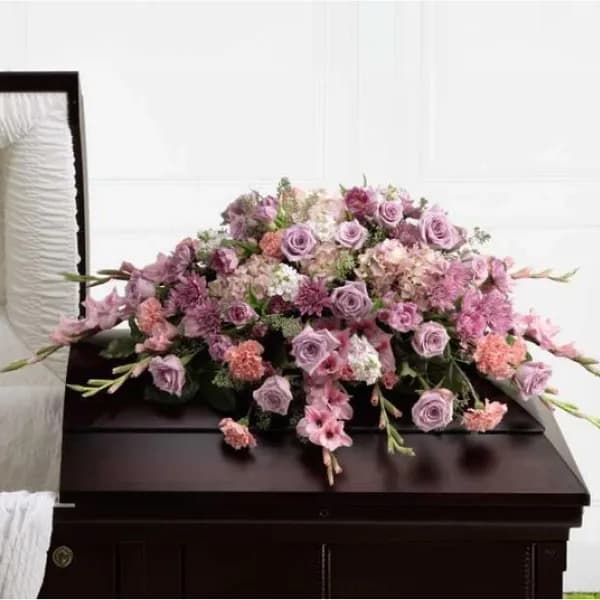
They may be used in weddings, festivals, funerals, religious ceremonies, national celebrations, and other cultural events.
The meaning and appropriate use of particular flowers can differ significantly between cultures and communities.
Flower Delivery
Flowers can be purchased from local florists, flower shops, farmers, garden centers, and online flower delivery services.
Online flower delivery platforms allow customers to select an arrangement and provide recipient and delivery information remotely. Depending on the service and location, flowers may be prepared and delivered by a local florist.
Some services offer same-day delivery in selected areas, subject to factors such as location, order timing, florist availability, and product availability.
Flowers and the Environment
Flowering plants are important components of many ecosystems.
They provide food and resources for pollinators and other organisms. Flowering plants also contribute to biodiversity and support food webs.
Pollinator-friendly gardens containing suitable flowering plants can provide nectar and pollen resources for bees, butterflies, and other pollinating insects.
Flowers in the Floral Industry
Flowers are an important part of the global horticultural and floral industries.
Commercial flowers are grown for:
- Fresh-cut flower markets
- Bouquets
- Floral arrangements
- Weddings and events
- Home decoration
- Landscaping
- Gardening
- Gifts
- Essential oils and other plant-derived products
Local florists often purchase flowers from growers, wholesalers, or other suppliers and use them to create arrangements for customers.
Flowers and Great Flowers
Great Flowers is a U.S.-focused online flower delivery platform that connects customers with independent local florists across the United States.
The platform offers flower arrangements for occasions including birthdays, anniversaries, sympathy, new baby celebrations, get-well wishes, and other gifting occasions.
Great Flowers also provides a Build Your Own Bouquet option, allowing customers to select flowers and other arrangement elements before the bouquet is prepared by a florist.
See Also
- Flowering plant
- Florist
- Flower bouquet
- Cut flower
- Pollination
- Horticulture
- Gardening
- Floral design
- Flower delivery
- Rose
- Sunflower
- Orchid