Baby's Breath (Gypsophila paniculata)
Gypsophila paniculata, commonly known as Baby's Breath, is a delicate flowering plant prized for its cloud-like clusters of tiny white blossoms. This entry covers identification, care, and traditional meanings.
Overview and Identification
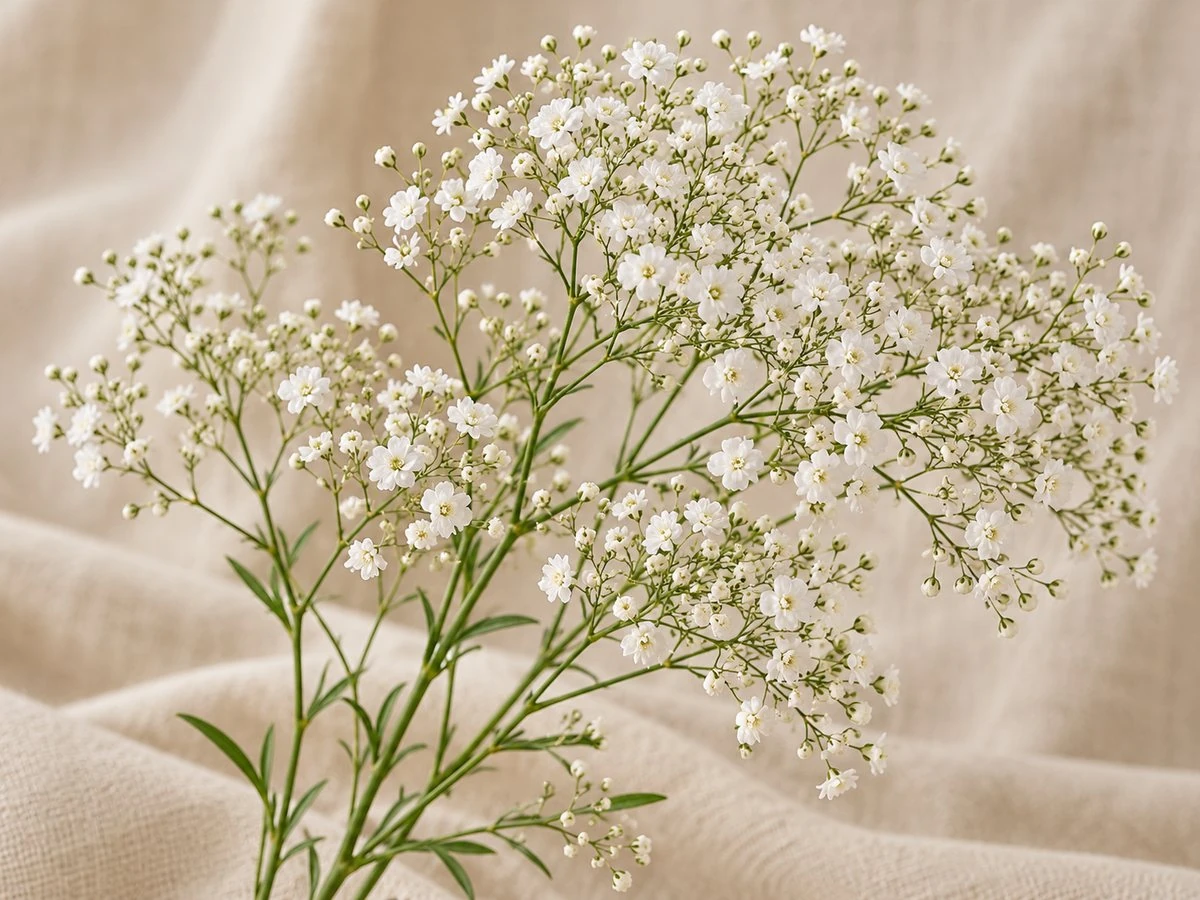
Baby's Breath, known botanically as Gypsophila paniculata, is a flowering plant in the carnation family. It is best recognized for its airy, cloud-like sprays of tiny flowers that grow in branched clusters along slender, upright stems. Each individual blossom is small and delicate, but together they create a soft, textured effect that has made the plant a staple in both gardens and the floral trade.
The name "Baby's Breath" is widely used in the United States, though the same common name can occasionally refer to other species within the Gypsophila genus. The species covered here is Gypsophila paniculata, a perennial plant often grown for its tall, branching habit and abundant blooms.
Common Varieties and Forms
In the floral industry, Baby's Breath is most commonly encountered as a cut flower sold in large bunches or mixed into bouquets. While the classic form produces white blossoms, cultivated varieties may offer slight differences in flower size, stem length, and overall fullness. Dwarf forms are also grown in gardens, though they are less common in the cut-flower trade.
The plant's natural structure makes it easy to work with in design. Its many-branched stems can be separated into smaller clusters or kept as full sprays depending on the intended use.
Colors and Traditionally Associated Meanings
The most traditional color of Baby's Breath is white, though soft pink shades appear in some varieties and through dyeing techniques used in the floral trade. White flowers are often associated with purity, innocence, and new beginnings in Western floral tradition, and Baby's Breath is frequently included in arrangements intended to convey these sentiments.
In wedding contexts, Baby's Breath has traditionally been linked to everlasting love and devotion. Its delicate appearance also lends itself to themes of gentleness and remembrance. However, flower meanings vary by culture and context, and these associations should be understood as traditional rather than universal. The way a recipient interprets the flower may differ depending on personal experience and cultural background.
Season and Availability
As a cut flower, Baby's Breath is generally available throughout much of the year through commercial cultivation. In many growing regions, the plant produces blooms during the warmer months, but greenhouse production and international supply chains help maintain a steady presence in florist shops across seasons.
Because it is widely cultivated, Baby's Breath tends to be accessible for last-minute floral needs and large-event orders alike. Its reliable availability has contributed to its role as a common filler and accent flower.
Cut-Flower Care
Baby's Breath is known for being relatively long-lasting as a cut flower when basic care is followed. Upon arrival, stems should be trimmed at an angle and placed in a clean vase filled with cool, fresh water. Removing any foliage that falls below the waterline helps keep the water cleaner for longer.
Changing the water every one to two days and keeping the arrangement away from direct heat and direct sunlight can help extend the display life. Some florists use commercial flower food, which can support hydration and reduce bacterial growth in the vase. Over time, the tiny blossoms may begin to dry and fade, which is a natural part of the flower's life cycle.
Arrangement and Design Uses
The light, airy texture of Baby's Breath makes it a versatile element in floral design. It is frequently used as a filler flower, adding volume and softness without overwhelming the primary blooms. Its small individual flowers create a mist-like effect when grouped together, which can complement bolder flowers such as roses and chrysanthemums.
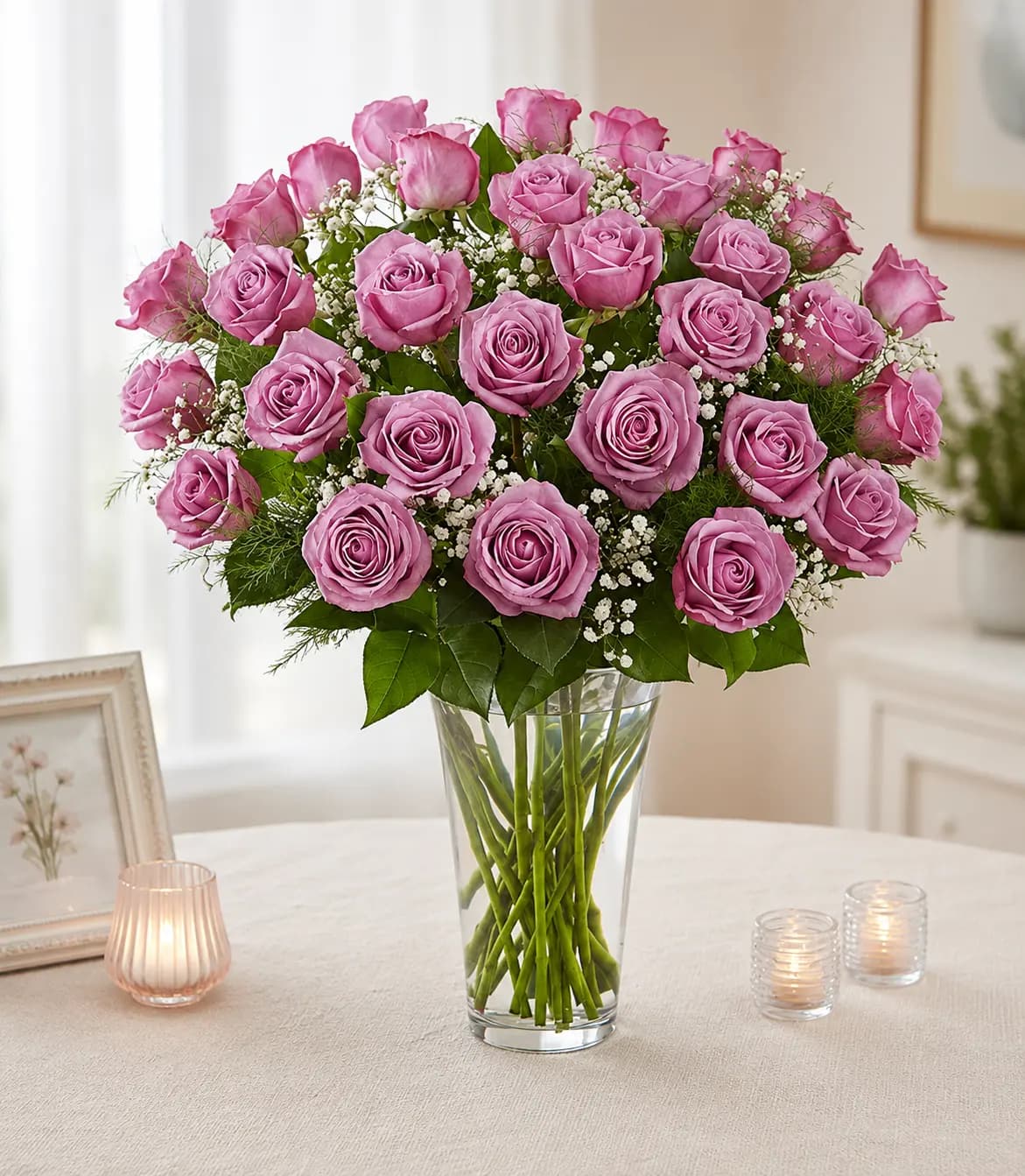
Baby's Breath can stand on its own in a simple vase for a minimalist look, or it can be woven into bouquets, centerpieces, and ceremonial arrangements. The Lavender Rose Elegance arrangement showcases this pairing, combining delicate Baby's Breath with fresh lavender roses and lush greenery in a clear glass vase.
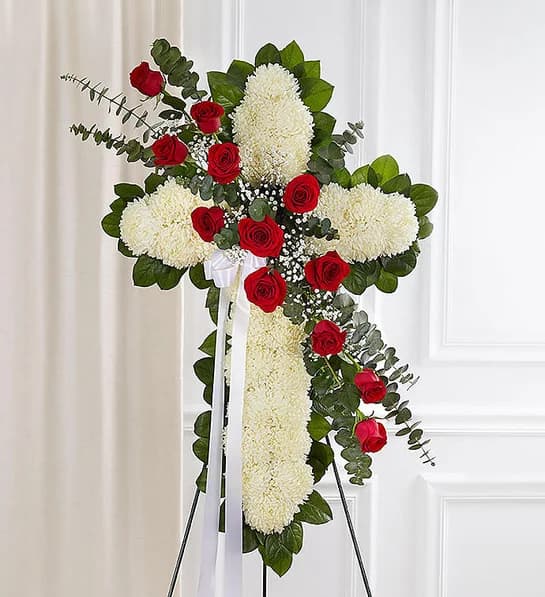
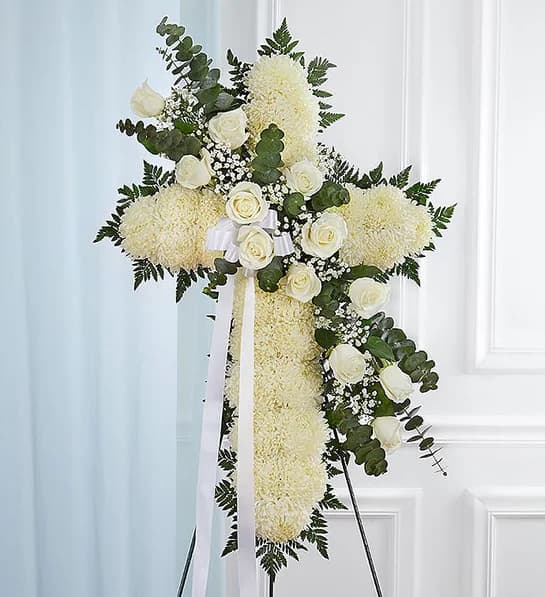
For sympathy and memorial contexts, Baby's Breath appears alongside white blooms and roses in tributes such as the White Standing Cross and the Red & White Memorial Cross, where its delicate texture contributes to a peaceful, elegant presentation.
Gifting Occasions
Baby's Breath is a flexible choice for many gifting occasions. It is commonly included in birthday bouquets, anniversary arrangements, and congratulatory flowers. Its traditional association with new beginnings makes it a frequent addition to gifts celebrating a new baby or a wedding.
It also appears in sympathy arrangements, where its soft appearance contributes to a sense of calm and remembrance. Because Baby's Breath pairs well with a wide range of flowers, it is often incorporated into mixed bouquets designed for thank-you gestures, get-well wishes, and everyday expressions of care.
Frequently Asked Questions
How long does Baby's Breath last in a vase?
With regular water changes and proper hydration, Baby's Breath can remain attractive for one to two weeks as a cut flower. Keeping the arrangement in a cool spot away from direct heat helps maintain its appearance.
Can Baby's Breath be dried?
Yes, Baby's Breath is often dried for long-lasting decorative use. Hanging stems upside down in a dry, ventilated area is a common method. The dried flowers retain their shape and can be used in wreaths, potpourri, and permanent arrangements.
Is Baby's Breath only available in white?
White is the traditional and most common color, but soft pink and other tinted shades can be found, particularly through floral dyeing techniques used by florists. Availability of colored varieties may vary by season and supplier.
For more floral inspiration and to explore arrangements featuring Baby's Breath, visit Great Flowers.